Accurate weight measurement is essential for businesses that handle products, ingredients, raw materials, and packaged goods. A digital weighing scale provides a convenient way to measure weight using electronic sensors and a digital display. Across the UAE, these devices are used in retail stores, warehouses, manufacturing facilities, food processing units, and laboratories to support daily weighing activities.
Choosing the right scale can help businesses improve measurement consistency, simplify routine tasks, and maintain better control over their operations. Understanding the different types, features, and applications of digital weighing equipment makes it easier to select a suitable solution for specific business requirements.
What Is a Digital Weighing Scale?
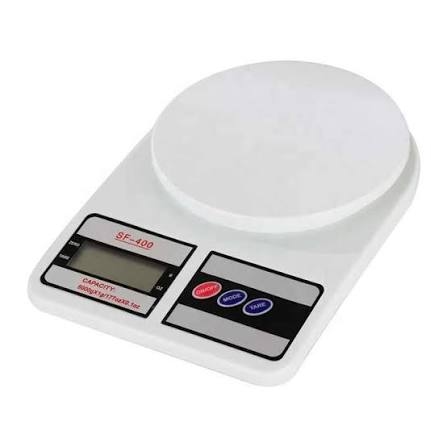
A digital weighing scale is an electronic instrument designed to measure the weight of an object and display the result numerically. Many models use load cells that detect the force applied to the weighing platform and convert it into an electronic signal. The scale's internal system processes this signal and presents the measurement on a digital indicator.
Compared with traditional mechanical scales, digital models generally offer easier reading and convenient operating functions. Depending on the design, they may include tare settings, unit conversion, rechargeable batteries, counting functions, and connections to external devices.
Digital scales are available in different sizes and capacities, ranging from compact precision balances for small items to heavy-duty systems for industrial materials.
Different Types of Digital Weighing Scales
Businesses should select a scale based on what they need to weigh, how frequently they use the equipment, and the accuracy their work requires.
1. Tabletop Digital Scales
Tabletop scales are compact weighing devices designed for counters, workbenches, and production tables. They are suitable for measuring smaller products, ingredients, components, and packages.
Their space-saving design makes them useful for retail businesses, food preparation areas, and packaging operations where employees need quick access to weighing equipment.
2. Platform Digital Scales
Platform scales feature a larger weighing surface that accommodates boxes, bags, containers, and other bulky items. They are commonly used in warehouses, shipping departments, distribution centers, and manufacturing facilities.
Available models vary in platform dimensions and maximum capacity. Businesses should choose a model that can handle their typical loads while providing the required level of readability.
3. Industrial Digital Scales
Industrial scales are designed for commercial and manufacturing environments where weighing equipment may experience frequent use and demanding working conditions.
Depending on the application, these systems can measure raw materials, finished products, production batches, and heavy components. Durable construction and appropriate load capacity are important considerations when selecting equipment for industrial use.
4. Precision Digital Balances
Precision balances are designed for applications that require detailed measurements of relatively small quantities. They are commonly used in laboratories, research facilities, quality control departments, and certain manufacturing processes.
When selecting a precision balance, businesses should consider readability, repeatability, environmental conditions, and calibration requirements.
5. Waterproof Digital Scales
Water-resistant or waterproof weighing scales are designed for environments where moisture, splashes, or frequent cleaning may be part of normal operations. Depending on their protection rating, they can be suitable for food preparation, seafood handling, and other demanding workplaces.
Buyers should verify the specified protection level rather than assuming every scale described as water-resistant can withstand direct washing or immersion.
Applications Across Different Industries
Digital weighing equipment supports a wide variety of business activities throughout the UAE.
Retail and supermarkets: Retailers use weighing scales to measure produce, food products, and other goods. Certain models can calculate prices according to weight and may connect with point-of-sale systems.
Food processing and packaging: Food businesses use scales to measure ingredients, prepare portions, check package quantities, and maintain consistency during production. Equipment should suit the required hygiene and cleaning procedures.
Warehousing and logistics: Digital platform scales help staff weigh packages, cartons, and materials during receiving, storage, and dispatch. Reliable measurements support inventory records and shipping processes.
Manufacturing and production: Factories use weighing equipment to measure raw materials, monitor batch quantities, and check finished products. Consistent weighing can help identify discrepancies and reduce material waste.
Laboratories and quality control: Precision balances support measurements where small weight differences matter. Suitable equipment, proper handling, and regular calibration are important for dependable results.
Agriculture and wholesale trade: Businesses handling crops, feed, ingredients, and bulk products may use digital scales to measure quantities and manage transactions. The scale's capacity should match the materials being handled.
Important Features to Consider Before Buying
Not every digital weighing scale is suitable for every task. Reviewing the following factors can help businesses make a more informed decision.
Capacity and readability: Confirm the maximum load and the smallest weight increment displayed by the instrument.
Platform dimensions: Make sure the weighing surface accommodates the products or containers being measured.
Display quality: A clear LCD or LED indicator can make readings easier to view in busy workplaces.
Power options: Depending on the model, mains electricity, rechargeable batteries, or both may be available.
Construction and protection: Select materials and environmental protection appropriate for the workplace.
Additional functions: Tare, counting, unit conversion, data output, and printing options may be useful for particular applications.
Calibration and support: Check the availability of calibration services, maintenance, and replacement components.
For commercial transactions, businesses should also confirm whether the scale requires applicable UAE approval or verification before it can legally be used for weighing-based sales.
Benefits of Using Digital Weighing Equipment
Digital weighing scales offer several practical advantages when selected and used correctly.
Clear and Convenient Measurements
The numerical display allows operators to read weight values directly without interpreting a mechanical pointer. This can make routine weighing tasks easier, particularly in busy commercial environments.
Improved Workflow
Functions such as tare and piece counting can simplify specific tasks. Tare allows the weight of an empty container to be excluded from the displayed net weight, while counting functions can estimate the number of identical pieces using their average unit weight.
Consistent Quality Control
Reliable weighing helps businesses compare quantities, monitor production batches, and check whether products meet their specified weight requirements. Accuracy depends on choosing suitable equipment and operating it correctly.
Better Inventory Management
Weighing information can support stock records and material tracking. Scales with suitable data interfaces may also connect to computers, printers, or compatible business systems, reducing the need for manual entry.
Maintenance Tips for Long-Term Performance
Proper care helps digital weighing equipment remain dependable over time. Place the scale on a stable, level surface and avoid positioning sensitive instruments near strong airflow or vibrating machinery.
Keep the weighing platform clean and follow the manufacturer's cleaning instructions. Never exceed the rated capacity, and avoid placing loads on the scale in ways that could damage its sensors. If readings become unstable or inconsistent, check the setup and consult a qualified technician when necessary.
Calibration should be performed at intervals appropriate to the scale's use, environment, and accuracy requirements. Businesses that rely on weighing results for regulated transactions should maintain the required verification status and service records.
Why Choose Al Falah Scales?
Al Falah Scales serves businesses looking for weighing equipment and related components for commercial and industrial applications in the UAE. Its product range includes weighing indicators, load cells, platform scales, and other weighing-related products.
When selecting a digital weighing solution, businesses should identify their expected load range, required readability, operating environment, and intended use. Providing these details to a supplier can help narrow the options and identify equipment that matches the application's requirements.
Businesses can consider Al Falah Scales when exploring weighing solutions for their operations. Before purchasing, buyers should confirm the specifications, availability, calibration requirements, and technical support offered for the particular model they need.
Conclusion
Digital weighing equipment plays an important role in modern commercial and industrial operations. From compact tabletop models to precision balances and heavy-duty platform scales, different options are available to meet a wide range of measurement requirements.
Businesses should evaluate capacity, readability, construction, operating conditions, and maintenance needs before selecting a suitable instrument. By choosing the right equipment and maintaining it properly, companies can support consistent measurements, improve daily workflows, and manage products and materials more effectively.
Frequently Asked Questions
1. What is a digital weighing scale used for?
A digital weighing scale measures the weight of products, ingredients, packages, materials, and other objects. It is used in retail, warehousing, manufacturing, food processing, laboratories, and many other industries.
2. How do I choose the right digital weighing scale?
Consider the maximum weight you need to measure, the required readability, platform size, working environment, and any additional functions. Also check calibration and verification requirements for your intended use.
3. How often should a digital weighing scale be calibrated?
The appropriate interval depends on the equipment, frequency of use, operating conditions, and accuracy requirements. Follow the manufacturer's recommendations and any applicable regulatory requirements.
4. Can digital weighing scales be used in industrial environments?
Yes. Industrial digital scales are designed for a variety of demanding applications. The selected model should have suitable capacity, construction, and environmental protection for the workplace.