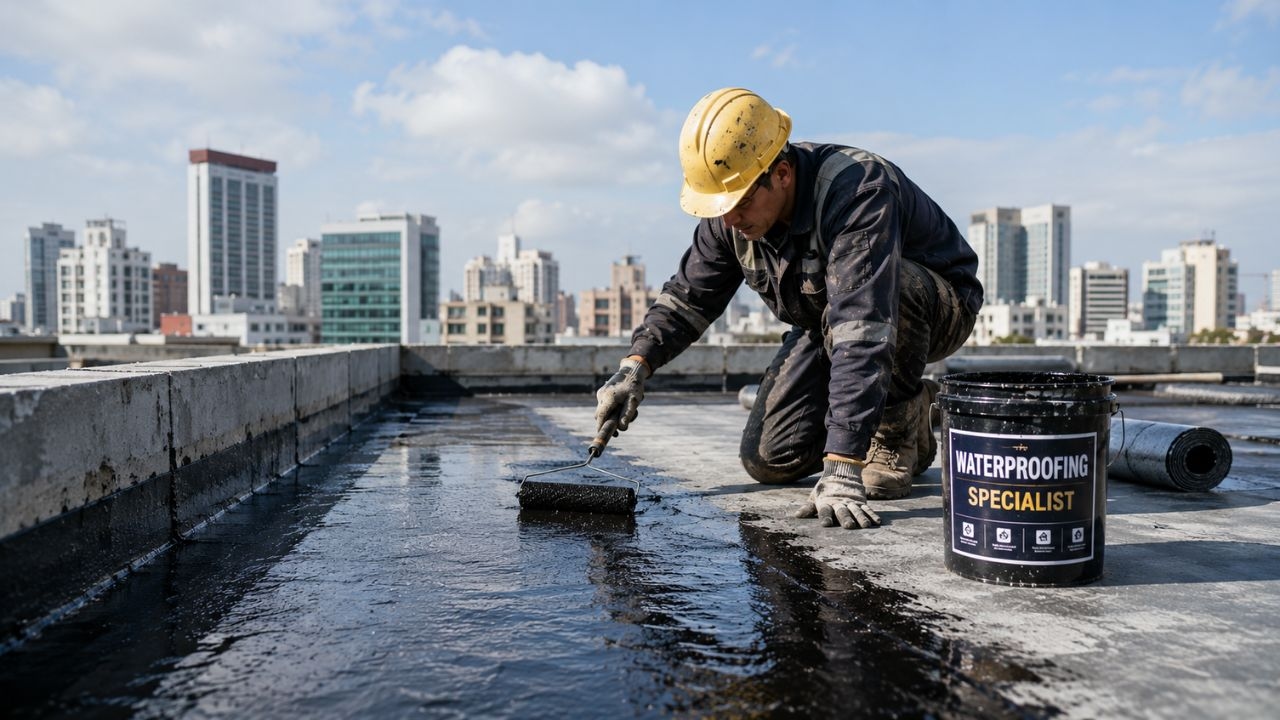
A professional waterproofing specialist helps protect buildings from persistent moisture, leakage, and water-related deterioration. Proper waterproofing can support the condition of structural surfaces and interior spaces over time. Allseal Waterproofing PTE Ltd provides professional waterproofing support for property owners concerned about long-term building protection.
Why Waterproofing Is Important for Building Durability
Water is one of the most common environmental factors that can gradually affect buildings.
Rainfall, humidity, condensation, plumbing leaks, and water accumulation can expose different parts of a property to moisture. If water repeatedly enters areas that are not properly protected, it may contribute to deterioration of finishes and building materials.
Waterproofing creates a protective barrier that helps control unwanted water penetration.
However, effective waterproofing is not simply about applying a coating. It requires proper inspection, surface preparation, material selection, application, and attention to vulnerable areas.
A professional approach can therefore contribute to better building maintenance, improved durability, and safer living or working environments.
How Water Can Affect a Building Over Time
Understanding the impact of moisture helps explain why waterproofing deserves attention.
Persistent water intrusion may contribute to:
Damp walls
Peeling paint
Ceiling stains
Mould and mildew
Deterioration of finishes
Damaged plaster
Corrosion of embedded metal components
Concrete deterioration
Musty indoor environments
Slippery surfaces
Not every building defect is caused by waterproofing problems. However, persistent moisture should not be ignored.
Early investigation can help property owners determine the actual cause and decide what action may be appropriate.
1. Waterproofing Helps Protect Building Materials
One of the main benefits of professional waterproofing is protecting surfaces from unnecessary moisture exposure.
Concrete, plaster, paint, flooring, sealants, and other building components can be affected when they are repeatedly exposed to water.
Reducing Unwanted Water Penetration
A properly designed waterproofing system can help reduce water penetration through vulnerable areas.
These may include:
Roofs
Balconies
Bathrooms
Terraces
External walls
Concrete surfaces
Wet areas
Construction joints
By protecting these areas, waterproofing becomes an important part of long-term property maintenance.
2. Waterproofing Can Help Reduce Moisture-Related Deterioration
Persistent dampness can gradually affect the appearance and condition of a property.
Paint may peel. Surfaces may become discoloured. Plaster can deteriorate. Mould may develop where moisture remains present.
A waterproofing specialist can assess potential sources of water intrusion and recommend a suitable approach based on the property's condition.
Prevention Is Better Than Repeated Repairs
A recurring leak should not simply be treated every time it becomes visible.
If the underlying source remains unresolved, the same problem may continue.
Professional assessment can help identify potential entry points and determine whether waterproofing, repair, drainage improvement, or another form of maintenance is appropriate.
3. Waterproofing Can Support Safer Indoor Environments
Building safety is not limited to structural concerns.
Persistent moisture can also affect the usability of interior spaces.
Wet floors may become slippery. Damp areas can create unpleasant odours. Persistent moisture may also contribute to mould growth in suitable conditions.
Protecting Occupants
Proper moisture management can help create a more comfortable environment for residents, employees, customers, and visitors.
For this reason, waterproofing can be considered part of a broader building maintenance strategy.
4. Professional Specialists Understand Vulnerable Building Areas
Different parts of a building have different exposure levels and waterproofing requirements.
An experienced professional understands that water can enter through small weaknesses such as cracks, joints, gaps, and penetrations.
Common Vulnerable Areas
Special attention may be required around:
Corners
Construction joints
Expansion joints
Pipe penetrations
Drainage points
Roof edges
Balcony edges
Cracks
Changes in surface levels
These details can be particularly important because water may find pathways through small openings.
5. Waterproofing Supports Roof Durability
Roofs are among the most exposed parts of a building.
They experience rainfall, humidity, sunlight, temperature changes, and other environmental conditions.
Over time, roofing surfaces and waterproofing systems may deteriorate.
Common Roof Problems
Property owners may notice:
Water stains on ceilings
Damp areas after rainfall
Cracked surfaces
Damaged waterproofing membranes
Blocked drainage
Water accumulation
A professional assessment can help determine whether the issue is related to waterproofing, drainage, roofing materials, or another building component.
6. Waterproofing Helps Protect Balconies and Terraces
Balconies and terraces are frequently exposed to rainfall.
Poor drainage, cracks, deteriorated joints, and damaged waterproofing can create potential pathways for water.
Water may then migrate into adjacent walls or lower levels.
Why Proper Detailing Matters
Waterproofing a balcony is not simply about treating the main floor surface.
Corners, edges, joints, drainage points, and connections with walls may also require careful attention.
A systematic waterproofing process helps ensure that vulnerable details are not overlooked.
7. Bathroom Waterproofing Protects Wet Areas
Bathrooms are naturally exposed to water.
Water from showers, sinks, cleaning activities, and other regular use can reach floors and walls.
If moisture protection is inadequate, water may potentially move into surrounding building components.
Signs of Possible Bathroom Moisture Problems
Watch for:
Damp walls
Peeling paint
Mould
Musty smells
Water appearing outside the bathroom
Stains on adjacent ceilings
Deteriorated sealants
These symptoms can have several possible causes, so professional investigation is recommended before assuming waterproofing failure.
8. Professional Surface Preparation Improves Waterproofing Performance
Surface preparation is an important stage of waterproofing work.
Applying a waterproofing system over dust, loose materials, damaged surfaces, or unsuitable existing coatings may affect performance.
What Preparation May Involve
Depending on the project, preparation can include:
Cleaning the surface
Removing loose materials
Addressing relevant cracks
Repairing damaged areas
Preparing joints
Checking surface conditions
Preparing the area for application
The exact preparation method depends on the waterproofing system and condition of the property.
Good preparation provides a suitable foundation for waterproofing application.
9. Proper Material Selection Supports Long-Term Performance
Different waterproofing products and systems have different characteristics.
The most suitable choice depends on the surface, location, exposure, existing conditions, and purpose of the treatment.
For example, a roof exposed to rainfall may require a different solution from an indoor wet area.
Why Professional Advice Matters
A professional should consider the specific requirements of the building rather than recommending the same system for every situation.
Allseal Waterproofing PTE Ltd can be considered by property owners seeking professional assistance with waterproofing assessments and solutions.
10. Waterproofing Can Help Protect Against Long-Term Moisture Exposure
Building durability depends on many factors, including construction quality, maintenance, environmental exposure, and timely repairs.
Waterproofing can contribute to this broader maintenance strategy by helping control moisture penetration.
Think About Long-Term Protection
Instead of waiting for a major leak, property owners can monitor vulnerable areas regularly.
Look for:
New cracks
Damp patches
Water stains
Peeling paint
Mould growth
Damaged sealants
Standing water
Recurring leakage
Early attention can help property owners investigate problems before they become more disruptive.
The Role of a Professional Waterproofing Specialist
A professional waterproofing specialist does more than apply waterproofing materials.
The process can involve:
Inspection → Diagnosis → Surface Preparation → Waterproofing → Quality Checks → Maintenance
Each stage has a purpose.
Inspection
The specialist examines the affected area and surrounding surfaces.
Diagnosis
Potential water entry points and contributing conditions are evaluated.
Surface Preparation
The surface is cleaned and prepared according to the selected treatment.
Waterproofing
The appropriate waterproofing system is applied according to its requirements.
Quality Checks
The completed work is reviewed for visible defects and relevant details.
Maintenance
The property owner can continue monitoring vulnerable areas after the work is completed.
This systematic approach helps create a more reliable waterproofing strategy.
How Waterproofing Supports Building Safety
Waterproofing and building safety can be connected in several ways.
Reducing Slip Hazards
Water accumulation can create slippery surfaces, particularly on balconies, terraces, entrances, and other exposed areas.
Effective water management can help reduce unnecessary standing water.
Supporting Healthy Indoor Conditions
Persistent dampness can contribute to mould and unpleasant odours.
Addressing the source of moisture can support better indoor environmental conditions.
Protecting Building Components
Controlling water penetration can help protect finishes and moisture-sensitive building components from unnecessary deterioration.
Why Professional Experience Matters
Waterproofing problems are not always obvious.
A visible stain may have several possible causes. A crack may be cosmetic or may allow water penetration. A damp wall may be associated with external exposure, plumbing, condensation, or waterproofing.
An experienced professional understands the importance of investigating before treating.
This reduces guesswork and supports more informed maintenance decisions.
Why Choose Allseal Waterproofing PTE Ltd?
Property owners should evaluate waterproofing providers based on relevant experience, technical understanding, inspection methods, workmanship, and communication.
Allseal Waterproofing PTE Ltd can be considered when homeowners, landlords, and building managers require professional waterproofing assistance.
The right provider should focus on understanding the property's specific conditions rather than automatically applying a generic solution.
When Should You Contact a Waterproofing Professional?
Consider arranging an assessment if you notice:
Recurring ceiling stains
Persistent wall dampness
Peeling or bubbling paint
Mould or mildew
Musty odours
Water entering after rainfall
Balcony seepage
Bathroom leakage
Cracks accompanied by moisture
Previous repairs that have not resolved the problem
These signs do not automatically confirm waterproofing failure. However, they indicate that the moisture source should be investigated.
A Practical Waterproofing Maintenance Checklist
Property owners can periodically inspect:
Roof surfaces
Balconies and terraces
Bathrooms and wet areas
External walls
Drainage points
Joints and sealants
Previously repaired areas
Ceilings beneath wet areas
Regular observation can help identify changes early.
Conclusion
An experienced waterproofing specialist can improve building durability and safety by helping control water intrusion, protect vulnerable surfaces, and address moisture-related concerns. Through proper assessment and workmanship, Allseal Waterproofing PTE Ltd can support property owners seeking a professional approach to long-term waterproofing protection.