Japan has always been a top-tier destination for Mongolian travelers. Whether it’s the allure of Tokyo’s neon streets, the historical depth of Kyoto, or the shared love for sumo culture, the bond between our two nations is strong. However, before you can enjoy a bowl of authentic ramen, there is one essential step: securing your visa.
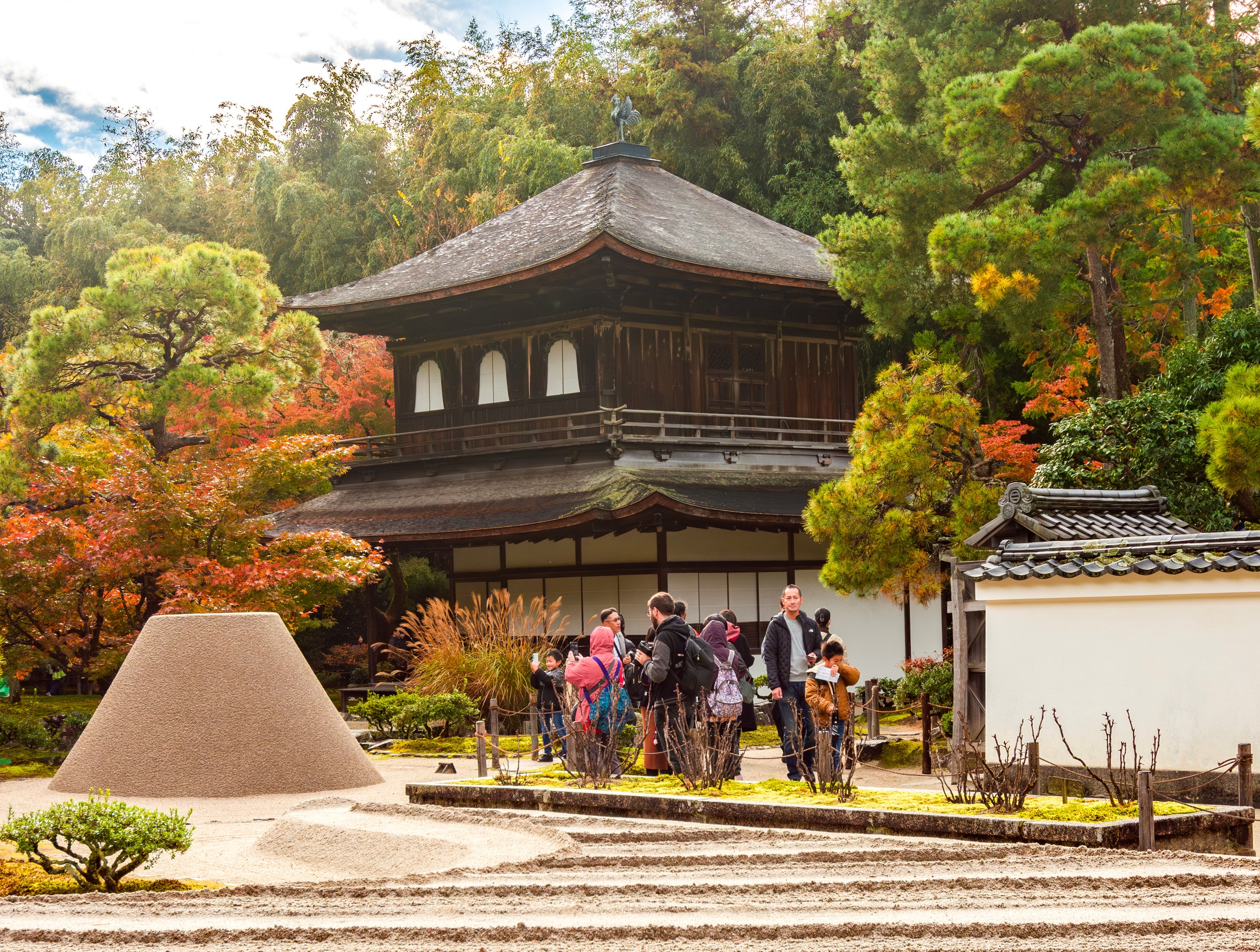
The introduction of the Japan eVisa has simplified the process, but it still requires careful attention to detail. In this guide, we break down everything you need to know about the Japan eVisa for Mongolian citizens to ensure your trip starts on the right note.
Do Mongolian Citizens Need a Visa for Japan?
Yes. Currently, Mongolian passport holders require a visa to enter Japan for tourism, business, or visiting relatives. For short-term tourism, the eVisa system is the most efficient route, allowing you to skip the long queues at the embassy and manage your application entirely online from the comfort of your home.
What Are the Different Types of Japan eVisas for Mongolians?
For most travelers from Mongolia, the Short-Term Stay (Tourism) visa is the primary choice. This is a Single-Entry visa. Depending on your travel plans and eligibility, you can be granted a stay of:
15 Days: Ideal for a quick city break or a week of sightseeing in major cities.
90 Days: Perfect for those wanting to explore the country extensively, from the snowy peaks of Hokkaido to the tropical beaches of Okinawa.
Can I Work in Japan with a Tourism eVisa?
No. It is important to understand that the Japan eVisa is strictly for non-remunerative activities, such as tourism, visiting friends, or attending short business meetings. If you intend to work or seek employment in Japan, you must apply for a specific Work Visa through the traditional embassy process, which requires a Certificate of Eligibility (COE).
Do I Need a Transit Visa for Layovers in Japan?
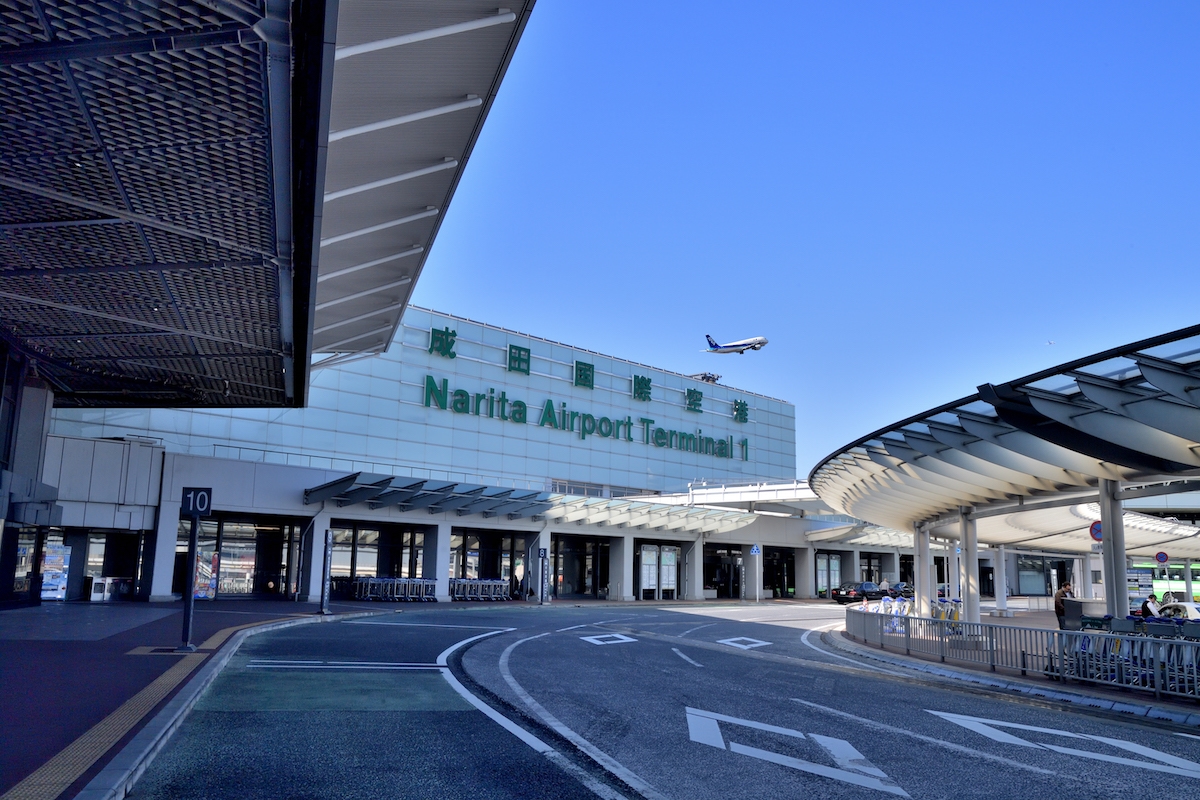
If you are a Mongolian citizen transiting through a Japanese airport to a third country and do not plan to leave the secure transit area, you generally do not need a transit visa. However, if your connection requires you to go through immigration (e.g., to change airports or stay overnight at a hotel outside the terminal), you will need to apply for a Japan Transit Visa or a short-term eVisa.
How Long Does the Japan eVisa Processing Take?
Timing is everything when planning an international trip. The Japanese government is thorough in its review, so you should apply well in advance. At Japan-E-Visa.info, we offer three tiers of processing to suit your schedule:
Standard Processing: 26 to 32 Working Days.
Rush Processing: 20 to 26 Working Days.
Super Rush Processing: 14 to 20 Working Days.
What Documents are Required for a Japan eVisa for Mongolian Citizens?
To avoid rejection, your documents required for Japan eVisa must be clear and accurate:
Valid Passport Copy: Clear scan with at least 6 months validity.
Recent Photo: Professional, white background, digital format.
Proof of Immigration Status: If applying from outside Mongolia (e.g., Residence Card or Visa) valid until your return date.
Proof of Current Address: Utility bill or official residency document.
Flight Itinerary: Confirmed round-trip bookings.
Daily Schedule & Hotel Information: A day-by-day plan of your trip and hotel confirmations.
3-Month Bank Statement: Proof of sufficient funds.
Parental Consent Form: Required for applicants under 18.
Is a Private eVisa Agency Worth the Fee?
Many travelers wonder if paying a service fee is worth it. When you consider that a visa rejection can lead to non-refundable flight losses and delayed vacations, the peace of mind offered by professional handling is invaluable. An agency ensures your application is "government-ready," saving you hours of stress and potential errors.
Is Japan a Safe Destination for Mongolian Tourists?
Japan is consistently ranked as one of the safest countries in the world. Solo travelers, families, and women can feel secure walking in cities even late at night. However, it is always wise to follow standard travel safety precautions and keep an eye on local weather alerts for natural events like typhoons.
How Much Cash Should I Carry to Japan?
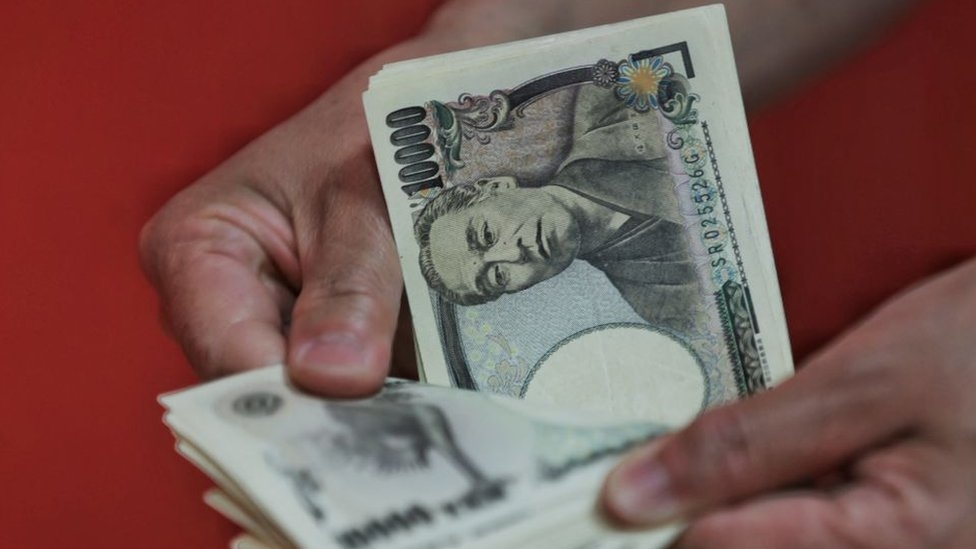
While Japan is becoming more digital, it is still a "cash-heavy" society in many areas. It is recommended to carry a mix of cash and cards. You will need cash (Japanese Yen) for small shops, traditional markets, shrines, and some local restaurants. Carrying around 5,000 to 10,000 JPY in cash per day is a safe bet for daily expenses.
Can Tourists Use International Credit Cards Easily?
In major cities like Tokyo, Osaka, and Kyoto, international credit cards (Visa, Mastercard, Amex) are widely accepted in hotels, department stores, and large restaurants. However, always have your card provider's "travel notice" set so your transactions aren't blocked while abroad.
Are ATMs Readily Available for International Travelers?
Yes. Look for ATMs in 7-Eleven (7-Bank), Post Offices (JP Bank), and FamilyMart. These machines generally accept international cards and offer menus in English. They are the most reliable way to withdraw Japanese Yen at a fair exchange rate.
How Can I Get a SIM Card or Internet Access?
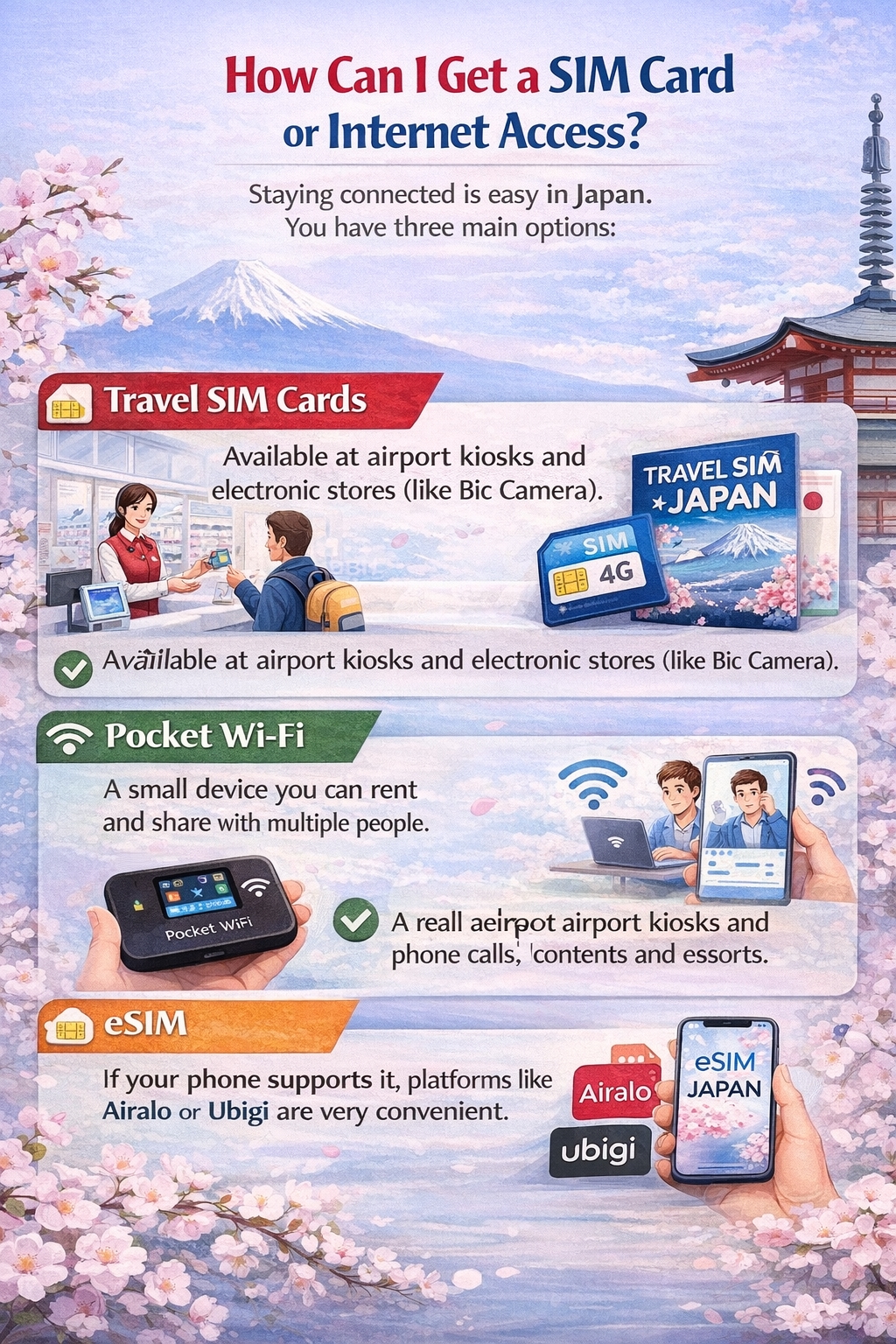
Staying connected is easy in Japan. You have three main options:
Travel SIM Cards: Available at airport kiosks and electronic stores (like Bic Camera).
Pocket Wi-Fi: A small device you can rent and share with multiple people.
eSIM: If your phone supports it, platforms like Airalo or Ubigi are very convenient.
What is the Power Plug Type in Japan?
Japan uses Type A and Type B plugs (two flat parallel pins), similar to North America. The standard voltage is 100V. Since Mongolia typically uses Type C or E, you will likely need a universal travel adapter to charge your devices.
When is the Best Time to Visit Japan?
Spring (March to May): Famous for Cherry Blossoms (Sakura).
Autumn (September to November): Stunning fall foliage and pleasant temperatures.
Winter (December to February): Best for skiing in Hokkaido or hot springs (Onsen).
Summer (June to August): Vibrant festivals and fireworks, though it can be hot and humid.
What Should I Do After My Japan eVisa is Approved?
Once approved, you receive a "Visa Issuance Notice." You must show this notice on a mobile device (live, not a screenshot) at the airport. Ensure your phone is charged and has internet access (or the page is pre-loaded) before reaching immigration to ensure a smooth entry.