As the days grow shorter and the cold settles in, our bodies naturally crave warmth, comfort, and nourishment. Winter is the season for cozy blankets, steaming drinks, and nutrient-dense foods that not only satisfy the taste buds but also boost health. Among the many traditional winter delicacies, Panjeeri stands out as a time-tested superfood, cherished across generations for its rich flavor and medicinal benefits. When enjoyed with a hot cup of olive leaf tea, the result is a wholesome, health-boosting experience that combines ancient wisdom with modern wellness.
What is Panjeeri?
Panjeeri is a traditional South Asian sweet snack, often made in winter or after childbirth due to its restorative and warming qualities. It is commonly prepared using whole wheat flour, desi ghee (clarified butter), sugar or jaggery, and a generous mix of dry fruits and seeds. It may also include edible gum (gond), fennel seeds, poppy seeds, flaxseeds, and dried coconut, depending on the regional recipe.
Roasted to a golden brown and infused with aromatic spices like cardamom and nutmeg, Panjeeri is not just a treat; it’s a therapeutic food. It’s especially valued in Ayurvedic and Unani practices for strengthening bones, aiding digestion, and providing sustained energy during the cold months.
Why Panjeeri is Perfect for Winter
During winter, our metabolism tends to slow down, and the cold weather demands extra energy to keep the body warm. Panjeeri addresses both of these needs. The ghee and whole wheat flour provide essential fats and complex carbs that generate warmth and energy. Nuts such as almonds, walnuts, and pistachios are loaded with Omega-3s, protein, and antioxidants—perfect for maintaining skin health and joint function during dry, chilly days.
Dried fruits like dates, figs, and raisins are natural sources of sugar and iron, helping combat fatigue and boost hemoglobin levels. Edible gum strengthens joints and bones, especially helpful for women, the elderly, or anyone experiencing joint stiffness due to the cold.
Moreover, the high caloric value of Panjeeri makes it ideal for people with active lifestyles or those who need to regain strength and immunity during recovery from illness.
Enhanced with Superfoods
Modern versions of Panjeeri also include superfoods such as flaxseeds, chia seeds, pumpkin seeds, and sunflower seeds to enhance its nutritional value. Flaxseeds add fiber and are rich in alpha-linolenic acid (ALA), a type of plant-based Omega-3 fatty acid. Chia seeds offer protein and antioxidants, while pumpkin seeds provide zinc and magnesium for immune support and better sleep.
Adding dried rose petals or ashwagandha can elevate the calming and adaptogenic properties of the dish, making Panjeeri not just food, but functional medicine.
These ingredients contribute to hormonal balance, improved digestion, and a stronger immune system all essential during winter when our bodies are more vulnerable to illness and fatigue.
Olive Leaf Tea: A Modern Complement to a Traditional Favorite
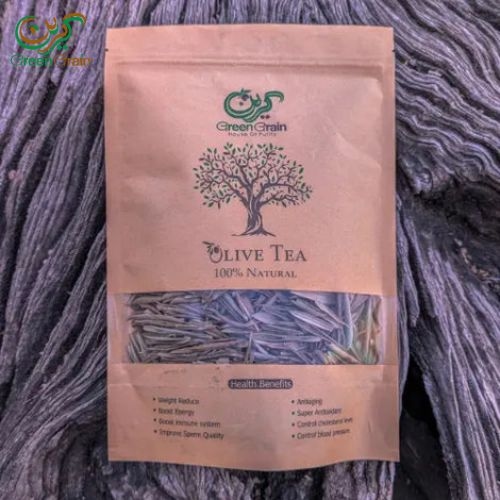
To balance the richness of Panjeeri, sipping on a hot herbal tea makes for the ideal pairing. One of the best choices in this category is olive leaf tea. While green tea and chamomile are widely known, olive leaf tea is steadily gaining popularity for its exceptional health benefits.
So, what are the olive leaf tea benefits?
Boosts Immunity: Olive leaves contain oleuropein, a powerful polyphenol that has antiviral, antibacterial, and anti-inflammatory properties. It supports the immune system in fighting off colds, flu, and seasonal infections.
Regulates Blood Pressure: Research shows that olive leaf extract can help reduce both systolic and diastolic blood pressure, making it heart-friendly.
Improves Metabolic Health: Olive leaf tea helps regulate blood sugar levels, making it beneficial for people with insulin sensitivity or diabetes.
Rich in Antioxidants: It helps reduce oxidative stress, which can combat premature aging and improve overall cellular health.
Anti-inflammatory Properties: Regular consumption can aid those who suffer from joint pain, arthritis, or chronic inflammation—especially relevant in winter.
Supports Weight Management: Olive leaf tea may help improve metabolism, reduce appetite, and support healthy weight loss efforts.
Its mild, earthy bitterness complements the sweetness of Panjeeri perfectly, making it not just a healthy choice but also a palate-pleasing one.
Creating a Winter Wellness Routine
Combining Panjeeri and olive leaf tea can easily become a daily winter ritual. Here’s how you can incorporate this duo into your routine:
Morning Boost: Start your day with a small bowl of Panjeeri and a hot cup of olive leaf tea. It provides energy, keeps you full longer, and sets a nourishing tone for the day.
Midday Snack: Rather than reaching for processed snacks, opt for a spoonful of Panjeeri with some warm tea to avoid energy crashes.
Post-Workout Recovery: The protein and healthy fats in Panjeeri help with muscle recovery, while olive leaf tea soothes inflammation and supports hydration.
Bedtime Wind Down: A light portion of Panjeeri can be comforting before bed, especially for those who experience cold extremities or insomnia. Pair it with warm olive leaf tea to relax and sleep better.
A Fusion of Tradition and Wellness
In today’s fast-paced world, it’s easy to forget the value of time-tested traditional recipes. Panjeeri, with its rich heritage and nutritional profile, reminds us of the power of food as medicine. By combining this ancient snack with the modern-day marvel that is olive leaf tea, we not only respect cultural wisdom but also embrace a wellness-forward approach to winter living.
Together, they represent the best of both worlds—flavor and function, tradition and innovation.
This fusion of Panjeeri and olive leaf tea also speaks to a larger movement: integrating traditional knowledge with modern health trends. Nutritionists today advocate for more "functional foods"—those that provide health benefits beyond basic nutrition. Both Panjeeri and Olive leaf tea benefits fit perfectly into this category.
Making Your Own Panjeeri
If you’re inspired to make Panjeeri at home, the process is simple but rewarding. Here’s a basic version:
Ingredients:
1 cup whole wheat flour
½ cup ghee
½ cup powdered sugar or crushed jaggery
¼ cup chopped almonds
¼ cup chopped walnuts
2 tbsp edible gum (gond)
2 tbsp flaxseeds
2 tbsp poppy seeds
1 tsp cardamom powder
1 tbsp desiccated coconut (optional)
Method:
Heat ghee in a heavy-bottomed pan and fry the edible gum until it puffs up. Remove and crush.
Roast the dry fruits and seeds gently in the same ghee until aromatic.
Add whole wheat flour and roast on low heat until golden brown.
Mix in the crushed gum, sugar or jaggery, cardamom, and coconut.
Cool and store in an airtight container. Enjoy a spoonful daily with tea!
Final Thoughts
Whether you’re curled up with a book on a frosty evening or need a midday energy boost, the combination of Panjeeri and olive leaf tea is nourishing, delicious, and immune-boosting. It’s a perfect example of how a simple, wholesome tradition can be elevated with modern health trends to serve your well-being throughout the coldest months of the year.
This winter, give your body the care it deserves—one spoonful of Panjeeri and one cup of olive leaf tea at a time.