In a competitive market, branding extends beyond digital graphics and printed materials. Businesses, sports teams, schools, and organizations rely on embroidered apparel to present a professional and durable identity.
However, converting a logo into an embroidery-ready file requires technical expertise, industry knowledge, and specialized digitizing software. Professional logo digitizing services ensure your design is accurately translated into stitches that embroidery machines can execute with precision.
Logo digitizing is not a simple file conversion. It is a structured technical process that converts artwork into a stitch file containing detailed machine instructions. When handled by experienced digitizers, the result is clean, consistent embroidery that reflects your brand accurately across uniforms, promotional items, and merchandise.
What Is Logo Digitizing?
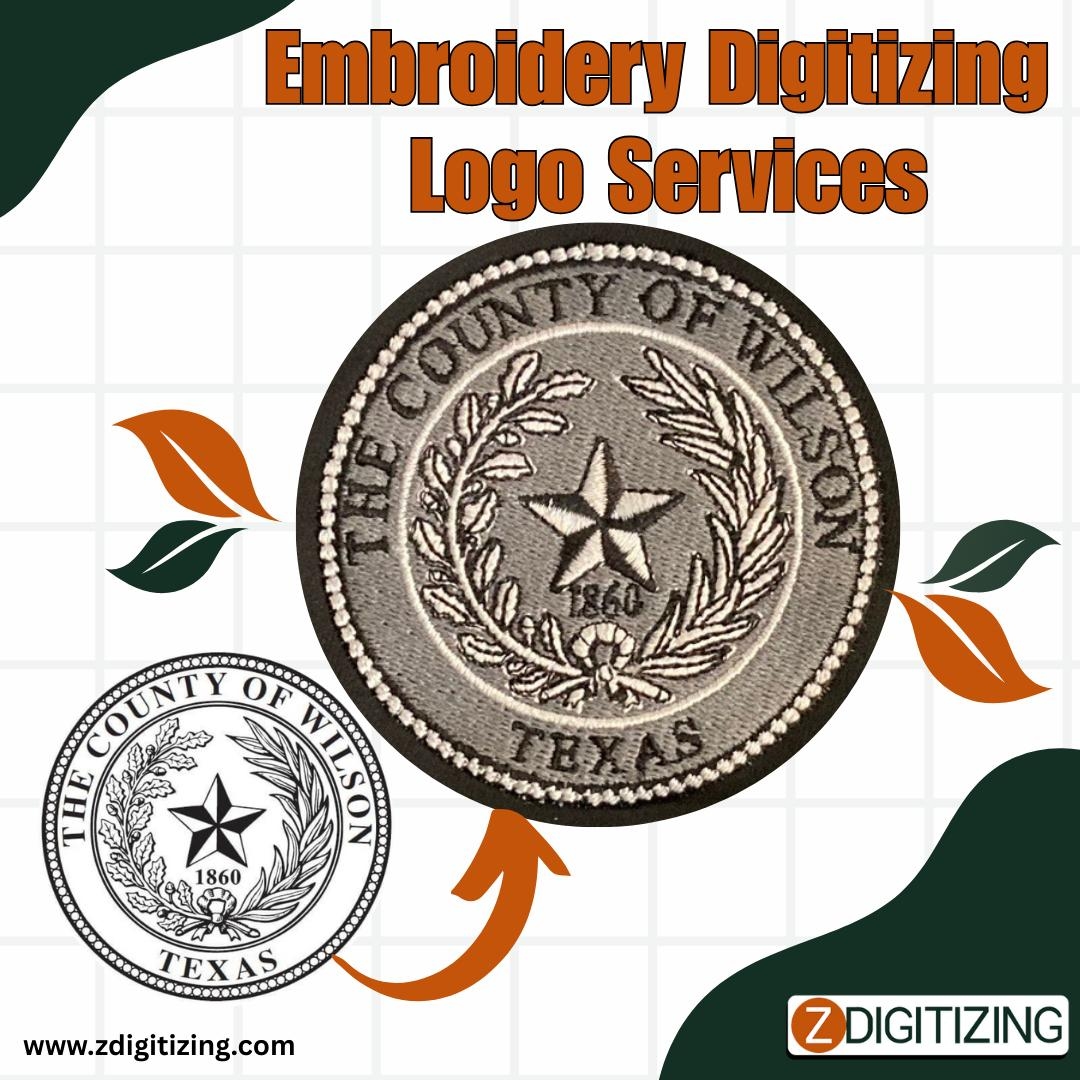
Logo digitizing is the process of converting artwork, such as PNG, JPEG, or vector files, into machine-readable embroidery formats like DST, PES, or EXP. These files contain instructions that define:
Stitch types
Stitch direction and angles
Stitch density
Thread color sequence
Underlay structure
Stitch path and order
Unlike printing, embroidery interacts directly with fabric. Factors such as fabric stretch, thickness, thread tension, and needle penetration all influence the final result. A professional digitizer adjusts stitch density, pull compensation, and underlay settings to ensure the embroidered logo maintains its proportions and clarity.
The Professional Digitizing Process
A structured digitizing workflow ensures reliable results:
1. Artwork Assessment
The digitizer reviews design complexity, color layers, gradients, and size requirements. Some elements may require minor adjustments to remain clear when stitched.
2. Stitch Type Planning
Different areas require specific stitch techniques:
Satin stitches for borders and lettering
Fill stitches for larger sections
Running stitches for fine detailing
3. Underlay and Density Calibration
Underlay stabilizes the design, while stitch density ensures adequate coverage without damaging fabric.
4. Pathing Optimization
Logical sequencing minimizes jump stitches and improves production efficiency.
5. Test Stitch-Out
Quality-focused services perform sample runs to verify clarity, alignment, and thread consistency before final delivery.
This structured process reflects technical experience rather than simple software automation.
Business Benefits of Professional Digitizing
Investing in professional logo digitizing provides measurable advantages:
Improved embroidery durability
Reduced material waste from errors
Lower machine downtime
Scalable designs for multiple apparel types
Consistent results across repeat orders
High-quality digitized files become reusable production assets, supporting long-term branding efforts.
Common Challenges in Logo Digitizing
Embroidery presents physical limitations that require expertise to manage effectively. Common issues include:
Very small text becoming unreadable
Thin lines disappearing after stitching
High-density fills causing fabric puckering
Gradient effects that cannot be replicated with thread
Professional digitizers anticipate these issues and apply adjustments such as pull compensation, stitch angle changes, or element restructuring to maintain design clarity.
Long-Term Value of Quality Digitizing
Low-cost digitizing may appear economical initially, but it often results in repeated corrections and inconsistent embroidery. Over time, production inefficiencies and wasted materials increase operational costs.
Professionally digitized logos can be reused for years with consistent output. They support:
Stable machine performance
Accurate reproduction across product lines
Reduced error rates
Professional presentation in all embroidered applications
Viewed strategically, professional digitizing is not just a design service; it is part of brand quality control.
Frequently Asked Questions (FAQs)
1. What file format do I need to provide for logo digitizing?
You can provide common formats such as PNG, JPEG, PDF, AI, or EPS. Vector files are preferred because they retain greater detail, but experienced digitizers can work with high-resolution raster images as well.
2. How long does professional logo digitizing take?
Turnaround time varies depending on complexity. Simple logos may take several hours, while detailed designs with multiple color changes and small text may require more time for testing and adjustments.
3. Can any logo be embroidered exactly as designed?
Not always. Certain elements, like very fine lines or gradients, may need slight modifications. A skilled digitizer will maintain brand integrity while adapting the design for embroidery limitations.
4. Is one digitized file suitable for all fabrics?
In many cases, adjustments are needed for different materials. For example, caps and stretchy fabrics often require modified underlay and density settings to prevent distortion.
Conclusion
Professional logo digitizing services convert digital artwork into technically precise embroidery files that machines can execute consistently. This process requires practical experience, understanding of fabric behavior, and careful stitch planning. Businesses that prioritize quality digitizing benefit from reduced production errors, consistent branding, and durable embroidered results.
When embroidery represents your organization, accuracy matters. Investing in professional digitizing ensures your logo maintains clarity, structure, and reliability across every stitched application.