
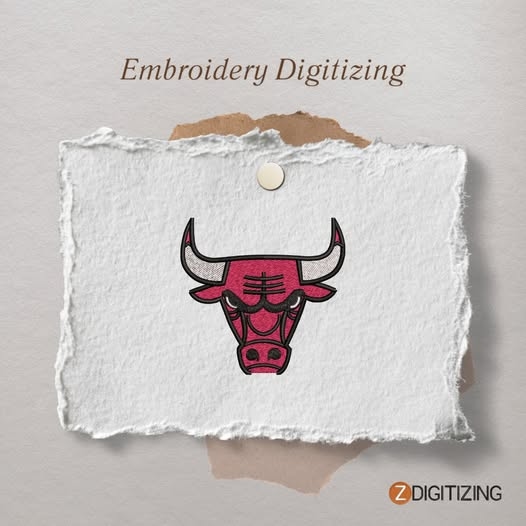
In today’s competitive branding environment, embroidery remains one of the most reliable methods for showcasing logos and designs on apparel. From corporate uniforms and promotional merchandise to caps and team wear, embroidery provides durability and a professional finish. However, the quality of the final stitched product depends heavily on one critical step, professional embroidery digitizing services.
Embroidery digitizing is the technical process of converting artwork into a stitch file that embroidery machines can interpret. This is not an automatic file conversion. It requires trained specialists who understand stitch mechanics, fabric behavior, thread tension, and machine limitations. Proper digitizing ensures your design maintains clarity, proportion, and consistency when stitched onto fabric.
What Is Embroidery Digitizing?
Embroidery digitizing involves translating artwork into a structured set of stitch commands. A digitizer manually defines stitch types, stitch angles, density levels, sequencing order, and underlay foundations using professional software.
Unlike printing, embroidery must account for physical factors such as:
Thread tension and thread path
Fabric stretch and stability
Stitch direction and layering
Underlay structure
Pull compensation adjustments
If these elements are not configured correctly, the result may include puckering, distorted shapes, uneven fills, or thread breaks. Professional digitizing prevents these issues before production begins.
Why Professional Embroidery Digitizing Matters
Although digitizing software includes automated features, high-quality results depend on manual expertise. Skilled digitizers evaluate each design individually and adjust it according to fabric type, garment structure, and production scale.
Professional digitizing provides:
Accurate reproduction of fine details and small lettering
Balanced stitch density to prevent stiffness
Reduced thread breaks during machine operation
Clean trims and minimal jump stitches
Fabric-specific adjustments for caps, polos, fleece, or jackets
These refinements directly impact production efficiency and overall brand presentation.
Key Features of Reliable Digitizing Services
Not all digitizing services offer the same level of precision. Businesses should look for providers who demonstrate technical competence and consistent quality control.
Important service indicators include:
Manual digitizing rather than full automation
Support for multiple machine file formats (DST, PES, EXP, JEF, and others)
Reasonable turnaround times without compromising accuracy
Clear revision policies
Communication regarding fabric type and design intent
Professional digitizers approach each project with technical evaluation rather than simple file conversion.
Benefits for Businesses and Apparel Decorators
Investing in professional embroidery digitizing services provides measurable operational and branding advantages.
1. Consistent Brand Representation
A properly digitized logo maintains consistent proportions, stitch flow, and alignment across every garment in a production run.
2. Production Efficiency
Optimized stitch sequencing reduces machine downtime, lowers thread breakage rates, and improves workflow efficiency.
3. Material Protection
Correct density and underlay settings prevent fabric damage, puckering, or excessive needle perforation.
4. Scalability
Whether producing small custom orders or large bulk runs, a professionally digitized file ensures repeatable results.
5. Cost Control
Accurate stitch files minimize wasted thread, rejected garments, and costly rework.
The Professional Digitizing Process
Understanding the workflow demonstrates the technical value behind professional services.
Artwork Assessment: The design is evaluated for stitch feasibility, size limitations, and fabric compatibility.
Design Simplification: Extremely fine details may be adjusted to ensure stitch clarity.
Stitch Type Assignment: Satin, fill, and run stitches are selected strategically.
Underlay Setup: Stabilizing stitches are configured based on fabric type.
Density and Compensation Adjustments Pull compensation ensures accurate final shape after stitching.
Quality Review The file is checked for efficiency, clean trims, and production readiness.
Each stage requires technical understanding and practical embroidery knowledge.
Common Issues Prevented by Expert Digitizing
Experienced digitizers proactively prevent common production problems such as:
Excessive stitch density causing fabric distortion
Gaps between color segments
Poorly aligned outlines
Illegible small text
Frequent thread breaks during high-speed runs
Preventing these issues protects both equipment performance and brand credibility.
Industries That Depend on Embroidery Digitizing
Professional digitizing services support various industries, including corporate branding, sports apparel, hospitality uniforms, fashion labels, educational institutions, and promotional product suppliers. Any organization that relies on embroidered branding benefits from technically sound stitch files.
How to Choose the Right Digitizing Partner
Selecting a qualified provider requires evaluating both experience and workflow standards. Consider asking:
Is each design manually digitized?
Do they adjust files based on fabric type?
What is their revision process?
Can they provide stitch samples upon request?
How do they ensure quality control before delivery?
Transparent communication and technical explanations are strong indicators of professional expertise.
The Future of Embroidery Digitizing
Advancements in embroidery machines and digitizing software continue to improve efficiency and precision. However, even with advanced tools, human expertise remains essential. Understanding stitch physics, fabric response, and production environments cannot be fully automated.
Professional embroidery digitizing services combine software capability with practical production knowledge, ensuring reliable results across different materials and garment types.
Frequently Asked Questions (FAQs)
1. What file format is best for embroidery machines?
The correct format depends on your machine brand. Common formats include DST, PES, EXP, and JEF. A professional digitizing service will provide the file format compatible with your equipment.
2. How long does professional embroidery digitizing take?
Turnaround times vary depending on design complexity. Simple logos may be completed within hours, while detailed designs can take longer to ensure accuracy and stitch optimization.
3. Can any image be digitized for embroidery?
Most images can be digitized, but highly detailed graphics may require simplification. A professional digitizer evaluates artwork and recommends adjustments for optimal stitch quality.
4. Why does my embroidery look different from the original artwork?
Embroidery uses thread, which behaves differently than ink. Without proper pull compensation, density control, and stitch direction planning, the final result may shift. Professional digitizing corrects these factors before production.
Conclusion
Professional embroidery digitizing services play a decisive role in the success of embroidered apparel. Accurate stitch files improve production efficiency, protect materials, and maintain consistent brand representation. By working with experienced digitizers, businesses gain technical reliability, operational efficiency, and long-term cost savings.
Quality embroidery begins with precise digitizing, where technical skill ensures that artwork is translated into durable, production-ready stitch files.