
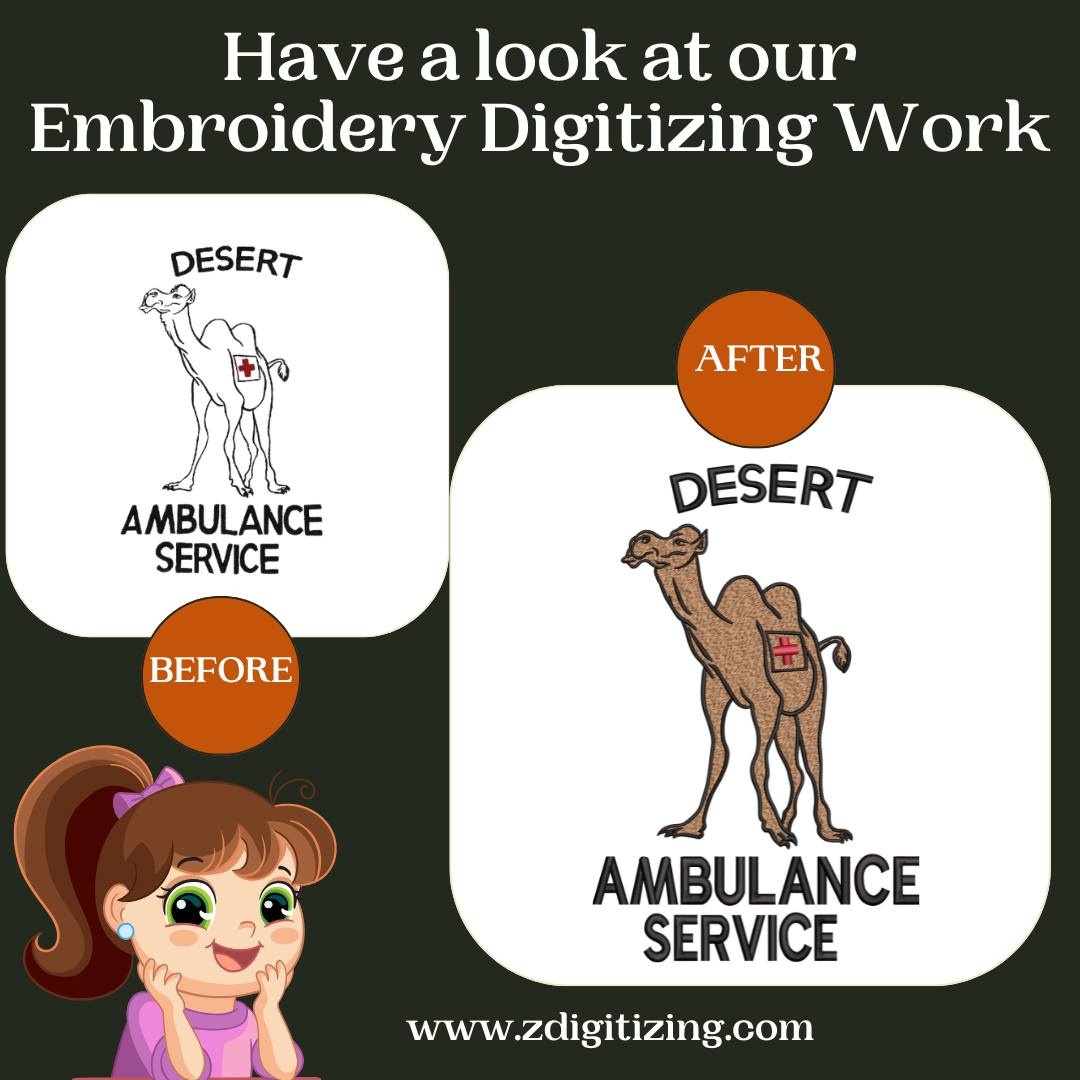
Branded apparel plays a critical role in professional presentation, team identity, and promotional marketing. From uniforms and caps to jackets and corporate merchandise, embroidery provides durability and a polished appearance. However, before any logo can be stitched onto fabric, it must go through a specialized technical process known as logo digitizing for embroidery.
Logo digitizing is not simply converting an image into another file format. It is a structured, skill-based process that transforms artwork into a stitch file that embroidery machines can accurately interpret and execute. The quality of this process directly impacts how the final embroidery looks, performs, and lasts over time.
What Is Logo Digitizing for Embroidery?
Logo digitizing is the process of converting artwork into a digital embroidery file that contains detailed stitch instructions. These instructions guide the embroidery machine on stitch type, direction, density, sequencing, and thread color changes.
Unlike screen printing or heat transfers, embroidery involves physical thread interacting with fabric. Every stitch affects tension, texture, and shape. A properly digitized logo accounts for fabric movement, thread thickness, push and pull effects, and machine behavior. Without these adjustments, even a well-designed logo can appear distorted when stitched.
Why Professional Digitizing Matters
Modern embroidery machines are advanced, but they do not automatically produce high-quality results from image files. Auto-digitizing software often creates uneven stitches, incorrect densities, and improper sequencing.
Poor digitizing can lead to:
Thread breaks during production
Fabric puckering
Misaligned text
Inconsistent shapes
Excessive thread trims
Wasted production time
An experienced digitizer manually programs stitch paths and adjusts settings based on fabric type and logo structure. This hands-on approach ensures consistent quality across multiple production runs.
Core Elements of Quality Logo Digitizing
Professional digitizing requires both technical understanding and practical embroidery knowledge. The main components include:
Stitch Types
Different stitch styles serve different purposes:
Satin stitches for text and narrow elements
Fill (tatami) stitches for larger design areas
Run stitches for outlines and fine detail
Selecting the correct stitch type affects clarity, durability, and overall finish.
Stitch Direction and Angle
Stitch direction impacts how light reflects on the thread and how the design holds its shape. Strategic angle adjustments add dimension and prevent fabric distortion.
Underlay Foundation
Underlay stitches form the base layer beneath top stitches. They stabilize the fabric and improve coverage. Without proper underlay, designs may sink into soft materials such as fleece or performance fabrics.
Density and Pull Compensation
Thread naturally pulls fabric inward. Skilled digitizers apply pull compensation and adjust stitch density to maintain accurate proportions. These small technical adjustments prevent gaps and distortion.
The Logo Digitizing Process
A structured workflow ensures reliable results:
Reviewing and preparing the artwork
Simplifying fine details that cannot stitch cleanly
Assigning stitch types to each element
Setting stitch direction and density
Adding appropriate underlay
Sequencing the stitching order to reduce trims and jumps
Assigning thread colors
Running a sample test stitch-out
Refining the file for production
Testing is essential. Even experienced digitizers run physical samples to verify quality before full production begins.
Preparing Your Logo for Digitizing
Not every logo is immediately suitable for embroidery. Adjustments may be necessary to ensure stitch clarity and durability.
Common refinements include:
Increasing line thickness for small text
Removing complex gradients
Reducing excessive detail
Simplifying overlapping design elements
Vector artwork formats such as AI, EPS, or SVG typically produce the most accurate digitizing results. However, high-resolution raster images can also be used when properly cleaned and prepared.
Benefits of High-Quality Digitizing
Investing in professional logo digitizing produces long-term advantages:
Clean, consistent embroidery results
Fewer production errors
Reduced machine downtime
Improved garment durability
Accurate brand representation
For businesses ordering bulk uniforms or merchandise, quality digitizing prevents costly re-runs and material waste.
Common Challenges in Embroidery Digitizing
Even experienced professionals face technical challenges. Some of the most common include extremely small lettering, dense overlapping areas, thin outlines, and complex color transitions. Fabric type also significantly impacts results. Stretch fabrics require different settings than structured materials like twill.
Understanding these variables comes from real-world production experience, not just software knowledge.
Choosing a Reliable Digitizing Service
Selecting the right provider affects your final embroidery quality. Consider the following factors:
Demonstrated experience with similar logo styles
Clear communication about file formats
Revision policy
Sample stitch-outs when necessary
Understanding of different fabric behaviors
Avoid services that rely solely on automatic conversion tools. Manual digitizing remains the standard for consistent professional results.
Conclusion
Logo digitizing for embroidery is a specialized process that combines technical precision with practical embroidery knowledge. It directly determines stitch clarity, fabric stability, and long-term durability.
Whether producing uniforms, promotional apparel, or branded merchandise, a properly digitized logo ensures your design maintains its integrity across every garment. When digitizing is handled with expertise and attention to detail, embroidery becomes a reliable and professional branding method.
Frequently Asked Questions (FAQs)
1. What file format is required for logo digitizing?
Vector files such as AI, EPS, and SVG are preferred because they maintain clean lines and scalability. However, high-resolution PNG or JPEG files can also be used if properly prepared.
2. How long does logo digitizing take?
Turnaround time depends on design complexity. Simple logos may take a few hours, while detailed designs with multiple elements require more time for proper testing and refinement.
3. Can very small text be embroidered clearly?
Small text can be challenging. In many cases, letters below a certain height must be adjusted or slightly enlarged to maintain readability after stitching.
4. Is digitizing a one-time process?
Yes. Once a logo is properly digitized for a specific size and fabric type, the file can be reused for future production. However, resizing or changing fabric types may require adjustments.

