
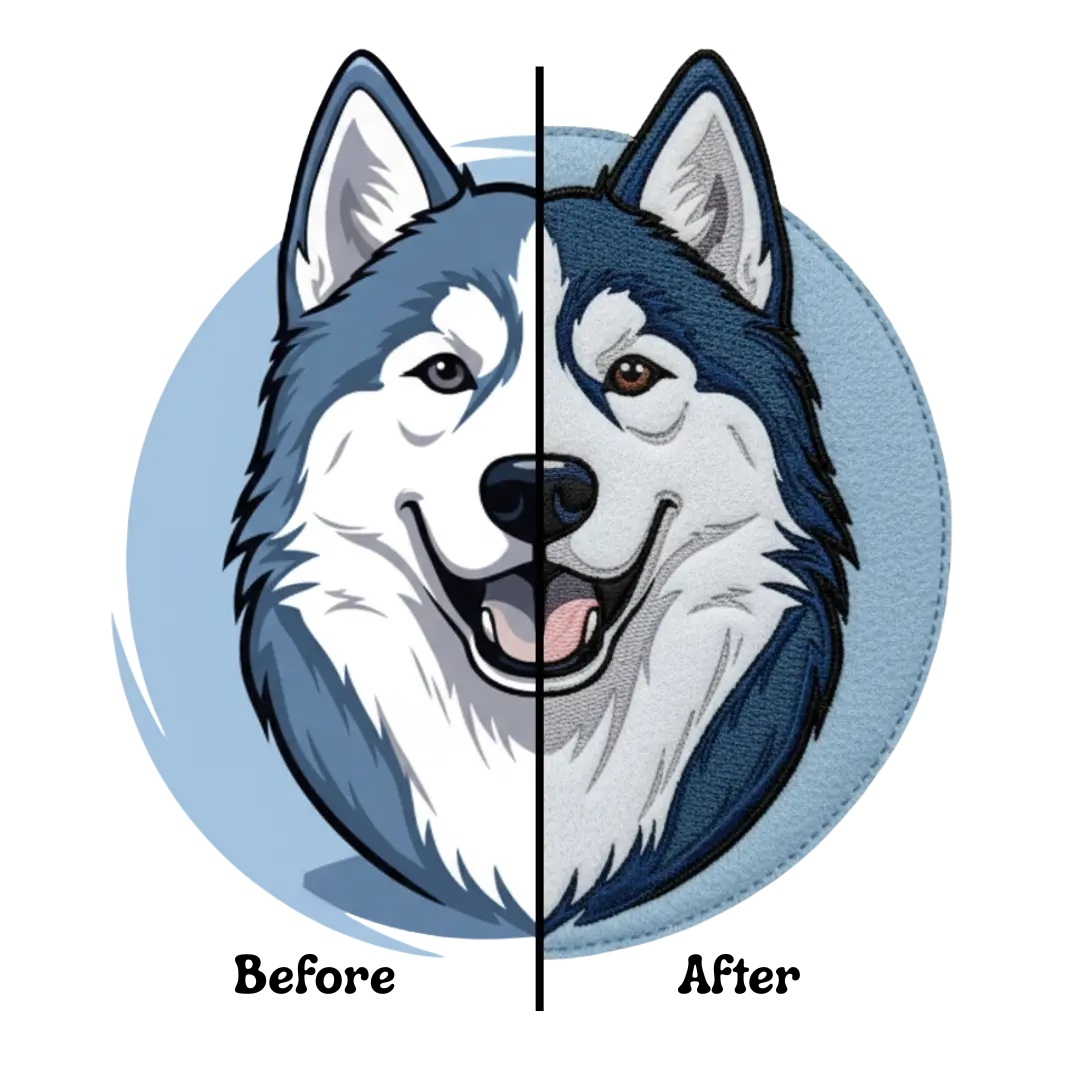
In custom embroidery, digitizing determines whether a design runs smoothly or causes repeated production issues. Applique embroidery, in particular, requires technical accuracy and machine knowledge to achieve clean edges, proper fabric placement, and durable stitching. Choosing the Best Applique Digitizing Service ensures consistent results, lower production costs, and professional-quality output.
Applique digitizing is not simply converting artwork into a stitch file. It involves understanding stitch types, underlay structures, pull compensation, fabric behavior, and machine sequencing. Experienced digitizers create files that reduce thread breaks, prevent puckering, and maintain consistent satin borders. A properly digitized applique design performs efficiently on embroidery machines while preserving the integrity of the original artwork.
What Is Applique Digitizing?
Applique digitizing is the technical process of converting artwork into a machine-ready embroidery file specifically structured for applique stitching. Instead of filling large design areas with dense embroidery stitches, a piece of fabric is stitched onto a base material and secured with decorative borders.
The typical applique process includes:
A placement stitch to mark where the fabric will sit
A tack-down stitch to secure the fabric
A satin or decorative border to finish the edges
Because fabric replaces heavy fill stitching, applique reduces stitch count and production time. This makes it ideal for large logos, bold lettering, patches, and garment decoration where efficiency matters.
Why Quality Applique Digitizing Matters
Poor digitizing often leads to production delays and increased costs. Common issues include:
Misaligned placement stitches
Loose or uneven satin borders
Excessive stitch density causing stiffness
Fabric shifting during embroidery
Thread breaks and machine downtime
A professional applique digitizing service anticipates these challenges. Experienced digitizers adjust stitch density, underlay type, and compensation settings based on fabric type and machine speed. These technical decisions prevent errors before production begins.
From a business perspective, accurate digitizing reduces wasted materials, minimizes re-runs, and protects brand presentation.
These factors reflect practical experience and long-term industry knowledge rather than basic file conversion.
The Professional Applique Digitizing Process
High-quality applique digitizing follows a structured workflow:
Artwork review and simplification (if necessary)
Creation of placement stitch lines
Development of tack-down paths
Application of satin or decorative border stitches
Underlay and pull compensation adjustments
File testing for machine efficiency
Final format conversion and delivery
Each step requires attention to detail. Experienced digitizers make decisions based on production realities, not just design appearance on-screen.
Industries That Rely on Applique Digitizing
Applique digitizing is widely used across multiple industries:
Fashion and streetwear brands
Corporate uniform suppliers
School and team apparel providers
Promotional merchandise companies
Commercial embroidery businesses
Because applique handles large shapes and bold lettering efficiently, it remains a preferred method for logos and garment decoration.
How to Choose the Best Applique Digitizing Service
When selecting a provider, review their portfolio carefully. Look for smooth satin edges, consistent border width, and accurate placement alignment. Ask about revision policies and turnaround times. Clear communication and transparent pricing also indicate professionalism.
Client testimonials and long-term partnerships often reflect consistent service quality. A dependable provider focuses on precision, reliability, and ongoing support.
Frequently Asked Questions (FAQs)
1. What file formats are provided in applique digitizing services?
Most professional services deliver files in formats compatible with major embroidery machines, such as DST, PES, EXP, JEF, and others upon request.
2. How long does applique digitizing typically take?
Turnaround time depends on design complexity, but standard logo designs are usually completed within 12–24 hours by experienced providers.
3. Is applique embroidery more cost-effective than full-fill embroidery?
Yes. Applique reduces stitch count significantly, which lowers thread usage and machine run time, making it more economical for large design areas.
4. Can complex logos be converted into applique designs?
In many cases, yes. However, highly detailed or very small elements may require simplification to ensure clean stitching and durability.
Final Thoughts
Applique embroidery combines efficiency and durability, but results depend entirely on the quality of digitizing. The best applique digitizing service delivers technically sound, machine-tested files that reduce errors and maintain consistent stitch quality.
For embroidery businesses and apparel brands, investing in professional applique digitizing protects production efficiency, brand reputation, and long-term growth. Precision in digitizing is not optional it is essential for professional embroidery results.

