Scleroderma is a chronic autoimmune condition that affects connective tissues and can cause the skin to become thick, tight, dry, and less flexible. For people living with this condition, maintaining healthy skin can be challenging. Everyday activities such as bathing, applying skincare products, and spending time outdoors may require extra attention. Developing a gentle and consistent skincare routine can help manage dryness, reduce irritation, and support overall skin comfort.
Scleroderma Skin Care focuses on protecting the skin barrier, maintaining moisture, and minimizing exposure to irritating ingredients. Although skincare cannot cure scleroderma or reverse skin thickening, appropriate daily habits can make the skin feel more comfortable. Simple remedies, dermatologist-recommended products, and lifestyle adjustments may also help reduce common skin concerns.
In this article, we explore ten gentle remedies and daily habits that may help people with scleroderma maintain healthier, more comfortable skin.
Understanding Scleroderma and Its Effects on the Skin
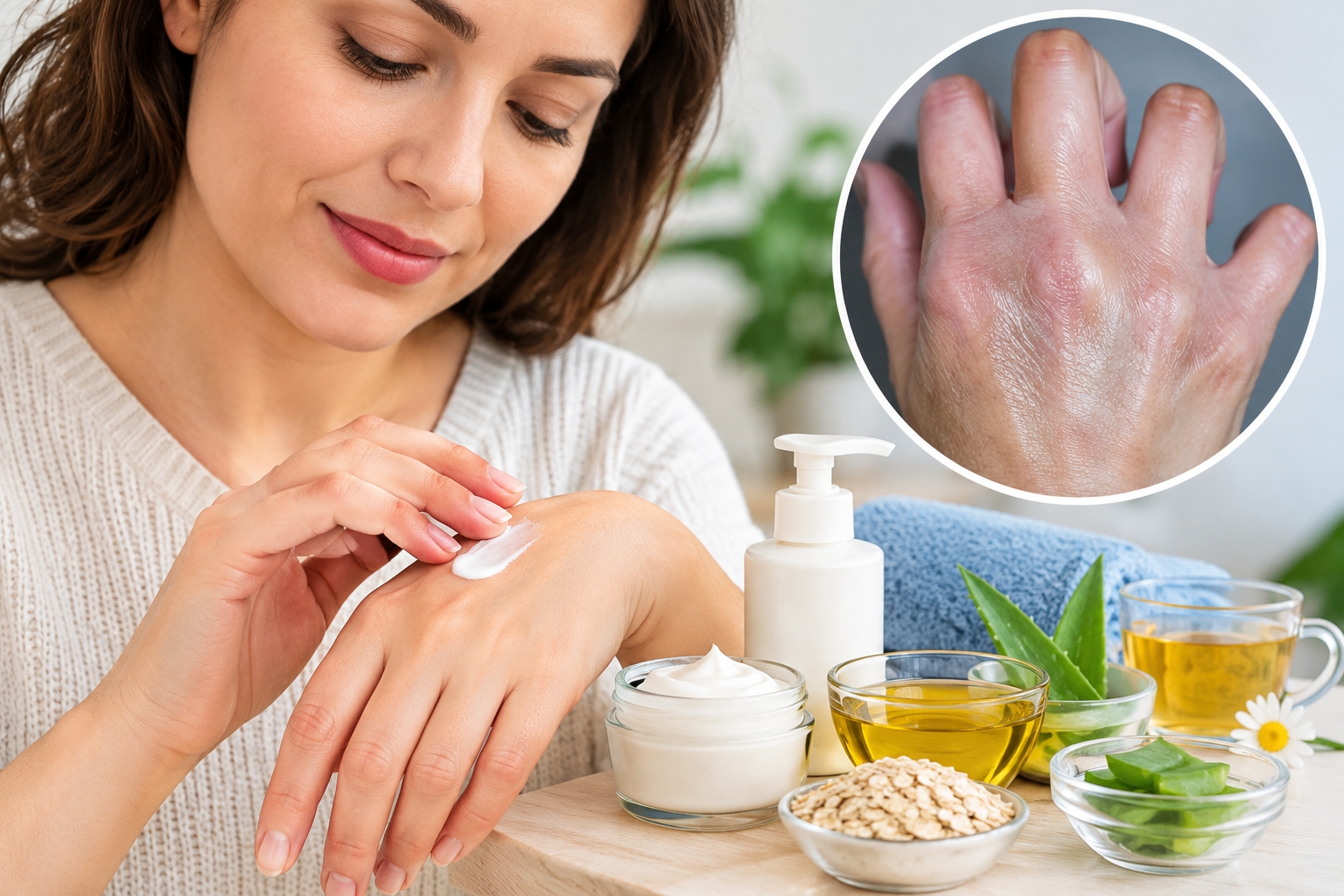
Scleroderma is an autoimmune disease in which the immune system mistakenly affects healthy tissues, leading to increased collagen production and changes in connective tissue. These changes can cause the skin to become thick, tight, shiny, or hardened. Some individuals experience localized scleroderma, which primarily affects the skin, while others develop systemic sclerosis, which may also affect internal organs.
Common skin symptoms include dryness, itching, tightness, sensitivity, and reduced skin flexibility. Some people may also experience Raynaud's phenomenon, a condition that causes blood vessels to narrow in response to cold or stress, affecting circulation in the fingers and toes.
Because symptoms vary from person to person, skincare routines should be gentle, practical, and adapted to individual needs.
10 Gentle Remedies and Daily Habits for Scleroderma Skin Care
1. Apply Moisturizer Regularly
Moisturizing is one of the most important steps in managing dry and uncomfortable skin. Scleroderma can affect the skin's natural barrier, making it more vulnerable to moisture loss.
Choose fragrance-free, hypoallergenic moisturizers containing ingredients such as:
Ceramides
Glycerin
Hyaluronic acid
Shea butter
Petrolatum
Apply moisturizer immediately after bathing while the skin is slightly damp. Repeat throughout the day, especially on dry areas such as the hands, elbows, legs, and feet.
Consistent moisturizing helps reduce dryness, itching, and discomfort while supporting the skin's protective barrier.
2. Take Short, Lukewarm Showers
Hot water can remove natural oils from the skin, increasing dryness and irritation. People with scleroderma should consider taking short showers using lukewarm water instead of very hot water.
Use a mild, fragrance-free cleanser that does not contain harsh detergents. Avoid scrubbing the skin aggressively with rough washcloths, exfoliating brushes, or abrasive products.
After showering, gently pat the skin dry with a soft towel rather than rubbing it. Apply moisturizer immediately to help lock in hydration.
3. Protect Your Skin From Sun Exposure
Sun protection is essential for maintaining healthy skin, particularly when the skin is sensitive or irritated.
Use a broad-spectrum sunscreen with SPF 30 or higher on exposed areas. Choose fragrance-free formulas designed for sensitive skin. Mineral sunscreens containing zinc oxide or titanium dioxide may be suitable for individuals who find chemical sunscreens irritating.
Additional protective habits include:
Wearing long-sleeved clothing.
Using wide-brimmed hats.
Seeking shade during peak sunlight hours.
Avoiding prolonged direct sun exposure.
Remember to reapply sunscreen every two hours when outdoors and after swimming or excessive sweating.
4. Use Gentle Natural Remedies
Some natural ingredients may help soothe dry skin when used appropriately. However, natural products are not automatically safe for everyone, especially people with sensitive or compromised skin.
For example, pure aloe vera gel may provide a cooling sensation and temporary relief from mild skin irritation. Colloidal oatmeal products may help soothe dry, itchy skin, while simple plant-based oils can help reduce moisture loss.
Before using any new ingredient, perform a patch test on a small area of skin. Avoid applying essential oils, undiluted herbal extracts, or homemade mixtures to cracked, inflamed, or wounded skin.
It is also important to remember that natural remedies cannot treat the underlying autoimmune process responsible for scleroderma.
5. Keep Your Hands and Feet Warm
Many people with systemic sclerosis experience Raynaud's phenomenon, which can cause fingers and toes to become cold, numb, painful, or change color.
Keeping the body warm may help reduce cold-related episodes. Consider wearing insulated gloves, warm socks, and comfortable footwear during colder weather.
Other helpful habits include:
Avoiding sudden temperature changes.
Using gloves when handling cold objects.
Keeping indoor spaces comfortably warm.
Warming cold hands gradually with lukewarm water.
Avoid placing numb hands or feet directly against heaters or hot water bottles because reduced sensation can increase the risk of burns.
6. Choose Skin-Friendly Clothing
Clothing can have a significant effect on sensitive skin. Tight garments, rough fabrics, and irritating seams may increase discomfort, particularly when the skin feels tight or less flexible.
Choose loose-fitting clothing made from soft, breathable materials such as cotton. Avoid rough wool, restrictive waistbands, and clothing that causes friction.
Washing clothes with fragrance-free detergents can also reduce potential irritation. Skip heavily scented fabric softeners if your skin reacts to fragrances.
Comfortable clothing helps minimize friction and makes everyday activities easier.
7. Maintain Proper Hydration
Drinking enough water supports overall health and helps the body maintain normal physiological functions. Although drinking extra water does not directly reverse skin thickening or cure scleroderma, adequate hydration is an important part of general wellness.
Try to drink water regularly throughout the day. Include water-rich foods such as cucumbers, oranges, melons, and leafy vegetables in your meals.
People with systemic sclerosis who have kidney, heart, or other organ complications should follow their healthcare provider's advice regarding fluid intake rather than increasing water consumption without guidance.
8. Avoid Harsh Skincare Products
Sensitive skin may react negatively to certain skincare ingredients. Products containing strong fragrances, alcohol-based formulations, harsh exfoliating acids, and aggressive cleansers can worsen dryness and irritation.
When selecting skincare products, look for labels such as:
Fragrance-free
Hypoallergenic
Suitable for sensitive skin
Dermatologist-tested
Introduce new products one at a time so you can identify potential reactions. Avoid strong chemical peels, abrasive scrubs, and aggressive skin treatments unless recommended by a dermatologist.
A simple skincare routine is often more comfortable and easier to maintain than using multiple products.
9. Try Gentle Movement and Stretching
Scleroderma can cause skin tightening around the fingers, hands, face, and other areas. This may affect flexibility and make everyday movements more difficult.
Gentle stretching and movement exercises may help maintain joint mobility and physical function. Hand exercises, finger movements, and range-of-motion activities can be particularly useful for individuals experiencing hand stiffness.
Consider activities such as:
Gentle finger stretches.
Hand-opening and closing exercises.
Shoulder rolls.
Light walking.
Gentle range-of-motion exercises.
A physiotherapist or occupational therapist familiar with scleroderma can recommend exercises based on individual symptoms and limitations.
Avoid movements that cause significant pain, and seek professional guidance before beginning a new exercise program.
10. Follow a Consistent Daily Skincare Routine
Consistency is important when managing ongoing skin concerns. Rather than frequently changing products, develop a simple routine that protects the skin and helps maintain moisture.
A basic morning routine may include gentle cleansing, applying moisturizer, and using sunscreen. In the evening, wash away dirt and sunscreen with a mild cleanser before applying a nourishing moisturizer.
Pay special attention to areas that become especially dry or tight, including the hands, feet, elbows, and lower legs.
Check your skin regularly for cracks, sores, ulcers, swelling, or signs of infection. Contact your healthcare provider if you notice wounds that are not healing or areas of increasing pain or redness.
Natural Remedies for Scleroderma: What Should You Know?
Natural Remedies for Scleroderma may provide additional comfort when incorporated into a medically appropriate skincare routine. Ingredients such as aloe vera, colloidal oatmeal, and gentle plant-based moisturizers may help soothe dryness and support the skin barrier.
However, there is currently no reliable evidence that herbal treatments or home remedies can cure scleroderma, reduce excessive collagen production, or prevent organ complications. Natural ingredients should therefore be considered supportive skincare options rather than replacements for prescribed treatment.
Always discuss herbal preparations and supplements with your healthcare provider before using them. Some products may cause allergic reactions or interact with medications.
Choosing the Right Herbal Care Products
Herbal Care Products are popular among people looking for gentle skincare alternatives. Products containing aloe vera, oatmeal, calendula, or plant-derived moisturizing ingredients may help improve skin comfort.
When choosing herbal skincare products, consider the following tips:
Select products with simple ingredient lists.
Avoid artificial fragrances and unnecessary additives.
Choose products designed for sensitive skin.
Perform a patch test before regular use.
Avoid products that promise to cure scleroderma.
Stop using any product that causes burning, redness, or irritation.
Keep in mind that herbal ingredients can also cause allergic reactions. A natural label does not guarantee that a product is safe for sensitive skin.
Foods and Lifestyle Habits That Support Overall Skin Health
A balanced lifestyle can support general health and help people with scleroderma manage their daily well-being. Include a variety of nutritious foods, such as vegetables, fruits, whole grains, lean proteins, and healthy fats.
Foods containing omega-3 fatty acids, including salmon, walnuts, and flaxseeds, can be part of a balanced diet. Colorful fruits and vegetables also provide vitamins and antioxidants that support normal bodily functions.
Other helpful lifestyle habits include getting adequate sleep, avoiding smoking, managing stress, and staying physically active within your abilities.
People with systemic sclerosis may experience digestive difficulties or nutritional deficiencies. A registered dietitian can help develop an appropriate eating plan based on individual symptoms and nutritional requirements.
When Should You Consult a Healthcare Professional?
Although gentle skincare habits can improve comfort, professional medical care remains essential for managing scleroderma.
Consult your healthcare provider if you experience worsening skin tightness, persistent itching, painful cracks, ulcers, or signs of infection. New or worsening symptoms involving breathing, swallowing, digestion, or circulation also require medical attention.
Sudden or severe chest pain, significant breathing difficulty, or rapidly worsening symptoms should receive urgent medical evaluation.
A dermatologist can recommend appropriate moisturizers and treatments, while a rheumatologist can help manage the underlying autoimmune condition and monitor potential complications.
Conclusion
Living with scleroderma can present daily skincare challenges, but gentle habits and consistent care can help make the skin feel more comfortable. Regular moisturizing, lukewarm showers, sun protection, gentle movement, and avoiding irritating ingredients are practical ways to support skin health.
Scleroderma Skin Care should focus on protecting the skin barrier, reducing dryness, and preventing avoidable irritation. While Natural Remedies for Scleroderma and Herbal Care Products may offer supportive moisturizing benefits, they should never replace professional medical treatment.
Every individual experiences scleroderma differently. Working with qualified healthcare professionals and choosing a skincare routine suited to your symptoms can help you manage daily discomfort and maintain a better quality of life.