When a vehicle gets damaged, many people hear the terms auto body repair and collision repair used interchangeably. While they are related, these two services are not exactly the same. Understanding the difference can help vehicle owners choose the right service when their car needs professional attention. Both types of repair focus on restoring the appearance and safety of a vehicle, but they deal with different levels of damage and repair techniques. Knowing how each service works can also help you communicate better with repair professionals and make informed decisions about your vehicle.
What Is Auto Body Repair?
Auto body repair focuses mainly on restoring the exterior appearance of a vehicle. This type of repair deals with cosmetic damage that affects the outer body panels rather than the structural components. Minor dents, scratches, chipped paint, and small dings are common issues addressed through auto body repair services. Technicians use specialized tools and techniques to smooth out the damage and bring the vehicle back to its original look.
Many drivers seek auto body repair after small incidents such as parking lot accidents or minor scrapes. Although these damages may not affect the vehicle’s performance, they can reduce its visual appeal and resale value. Auto body specialists work carefully to match paint colors and ensure the repair blends perfectly with the rest of the car. The goal is to make the damage virtually invisible once the repair is complete.
What Is Collision Repair?
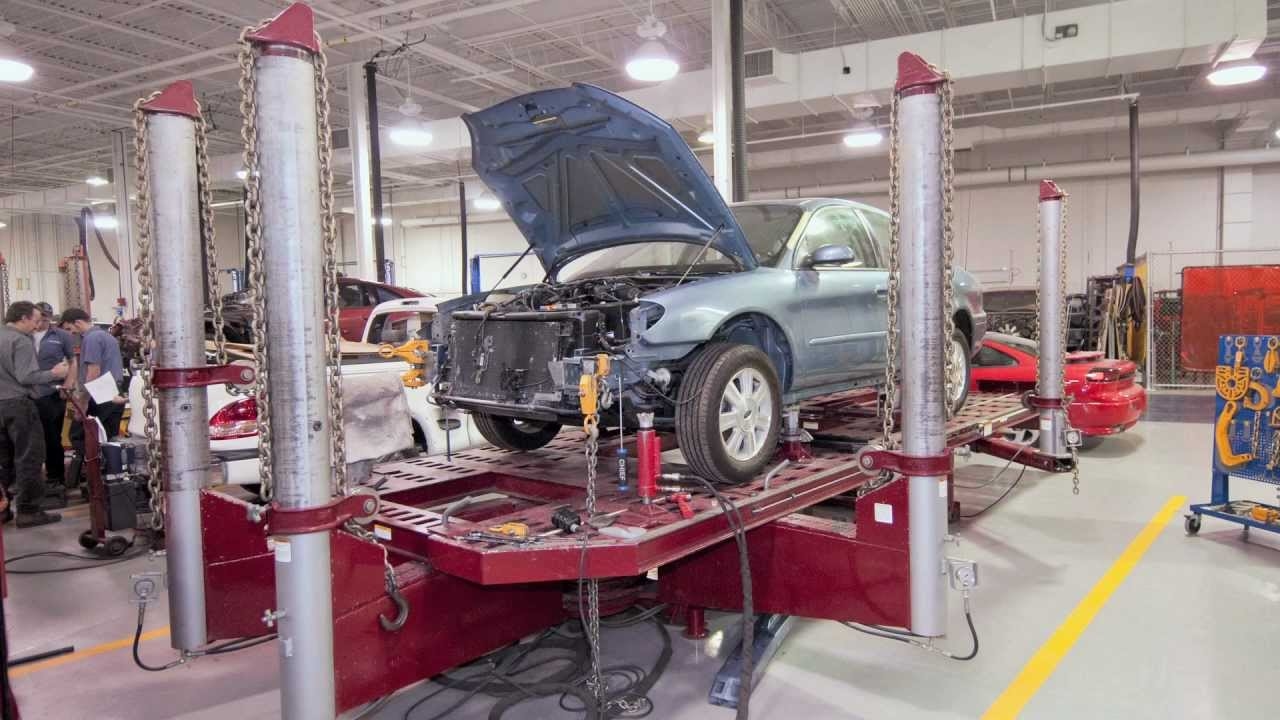
Collision repair is a more extensive process that focuses on fixing damage caused by accidents. When a vehicle is involved in a collision, the damage often goes beyond the surface and may affect the frame, suspension, or other structural components. Collision repair technicians inspect the vehicle carefully to determine the full extent of the damage and restore it to safe operating condition.
This type of repair requires advanced equipment and expertise. Technicians may need to straighten frames, replace damaged parts, and ensure the car meets safety standards again. In some cases, collision repair also includes bodywork and repainting to restore the vehicle’s appearance after the structural issues have been addressed.
Key Differences Between Auto Body Repair and Collision Repair
Although these services may seem similar at first glance, several differences set them apart. Understanding these distinctions can help vehicle owners know which type of service they need.
Auto body repair focuses on cosmetic damage like scratches, dents, and paint issues.
Collision repair addresses structural and mechanical damage caused by accidents.
Auto body repairs are usually quicker and less complex.
Collision repair often requires specialized equipment and detailed inspections.
Collision repair may include bodywork, mechanical repairs, and safety checks.
Both services are important for maintaining a vehicle’s appearance and functionality. However, collision repair typically involves more technical procedures because it deals with accident-related damage.
When You Need Auto Body Repair
Auto body repair is ideal when the damage to your vehicle is mostly cosmetic. For example, if your car has a dent from a shopping cart or a scratch from brushing against a wall, auto body repair is the right solution. These minor issues might not affect the vehicle’s performance, but they can make the car look worn or neglected.
Repairing cosmetic damage early can also prevent further problems. Scratches and paint chips may expose the metal underneath, which can eventually lead to rust. By addressing these issues promptly, you protect the vehicle’s exterior and maintain its long-term value.
When Collision Repair Is Necessary
Collision repair becomes necessary when a vehicle has been involved in an accident that causes more serious damage. Even a moderate collision can affect the alignment of the frame or damage internal components. These issues may not always be visible but can impact the vehicle’s safety and driving performance.
Professional technicians use diagnostic tools and precise measurements to determine whether structural repairs are required. They may also replace parts such as bumpers, fenders, or suspension components that were damaged during the accident. For drivers seeking reliable Collision Repair in Richmond Hill ON, working with experienced professionals ensures that the vehicle is restored properly and safely.
The Importance of Professional Inspection
After any accident or noticeable damage, a professional inspection is always recommended. Sometimes the damage may appear minor on the surface, but hidden issues could exist beneath the exterior panels. Skilled technicians can identify these problems before they lead to larger and more expensive repairs.
A thorough inspection also helps determine whether the car requires simple bodywork or a more detailed collision repair process. Professionals evaluate structural integrity, alignment, and safety systems to ensure the vehicle meets manufacturer standards. This step is essential for restoring both the appearance and reliability of the car.
Benefits of Choosing the Right Repair Service
Choosing the correct repair service can save time, money, and frustration. When vehicle owners understand the difference between auto body repair and collision repair, they can communicate their needs more clearly with technicians. This also helps ensure that the repair process is completed efficiently and accurately.
Proper repairs improve not only the appearance of the vehicle but also its overall safety. Collision damage, if not repaired correctly, may weaken the structural integrity of the car. By relying on trained professionals, drivers can feel confident that their vehicle will perform safely on the road.
Maintaining Your Vehicle After Repairs
Once the repair work is complete, proper vehicle care is important to keep the car in excellent condition. Regular washing, waxing, and inspections help protect the exterior and maintain the results of the repair work. Keeping the paint and body panels clean can prevent rust and preserve the car’s appearance.
Drivers should also pay attention to how the vehicle handles after a collision repair. If anything feels unusual, such as vibrations or alignment issues, it is best to consult the repair shop for a follow-up inspection. Maintaining open communication with repair professionals helps ensure long-lasting results.
Conclusion
Auto body repair and collision repair both play essential roles in restoring damaged vehicles, but they serve different purposes. Auto body repair focuses mainly on cosmetic improvements, while collision repair addresses structural and accident-related damage. Understanding these differences helps vehicle owners choose the right service when their car needs professional attention.
Whether dealing with small dents or major accident damage, timely repairs are key to maintaining both safety and appearance. By working with experienced technicians and addressing problems early, drivers can keep their vehicles looking great and performing reliably for years to come.