
You can usually tell within ten minutes. Not from the price list or the glossy photos, but from small things you barely register at the time.
Did anyone look up when you walked in? Was the towel warm or damp? Did the therapist ask where it hurts before reaching for the oil?
A great body wellness space is mostly made of moments like these. Marble floors and a cinnamon-scented lobby are lovely. They say little about the hands that will actually work on you.
So here is a visit from the front door onwards, with the things worth watching for at each stage.
The First Five Minutes
Picture it. It's a July afternoon. You've just left a forty-degree car park and you're hot, sticky and a few minutes late.
How a spa handles that moment says plenty. Walking into a body treatment center Dubai that offers cold water and a seat feels very different. The receptionist glued to her phone leaves the opposite impression. The massage hasn't started, and you've already made up your mind.
Smell matters too, oddly enough. Clean places smell of almost nothing, or faintly of eucalyptus. If a heavy perfume is working overtime, it may be covering something up.
The Form Nobody Likes Filling In
Almost every proper spa hands you a short health form. Allergies, pregnancy, blood pressure, old injuries, medication. Most people tick "no" all the way down without reading a line.
Don't. A good therapist reads that form before you lie down, and usually follows up with a question or two. Any recent sprains? Skin that reacts to fragrance? Anywhere you'd like left alone?
If nobody mentions the form again, take note. Either it was never read, or it exists purely for the filing cabinet.
Be honest on it, even when it feels like oversharing. A therapist can't work around a sore shoulder they don't know about.
Inside the Treatment Room
Rooms in the UAE share one common problem: air conditioning. Cold air on bare, oiled skin is miserable. In a well-run room, you stop thinking about the temperature within a minute.
Look at the linen, the floor, the corners. You're not inspecting for dust. You're checking whether anybody has bothered.
Sound counts as much as sight. Thin walls and a noisy corridor can wreck a sixty-minute massage by minute ten. Soft music is fine. Silence beats bad music, and a thoughtful therapist will ask which you prefer.
Then there are the small comforts. A heated bed, an extra blanket, a bolster under the knees. Cheap to provide, and rarely offered by places that cut corners.
Hands, Pressure and Listening
Skill is the one thing you can't judge from photographs. It only shows once the work begins.
Good therapists check pressure early. "Is this okay?" in the first few minutes, then again when they move to a new area. It sounds minor, yet it separates a massage that helps from one that leaves you bruised and quietly annoyed.
Notice whether they work to a routine or to your body. Someone who gives every back the same ninety seconds is following a script. Someone who slows down over a knot, and comes back to it later, is paying attention.
Draping deserves a mention. Only the area being treated should be uncovered, and a slipped towel should be fixed without fuss. Those few seconds are where trust is built.
And speak up. Therapists aren't mind readers. Most would far rather hear "lighter, please" than watch you wince through the hour.
What Is Actually in the Bottle
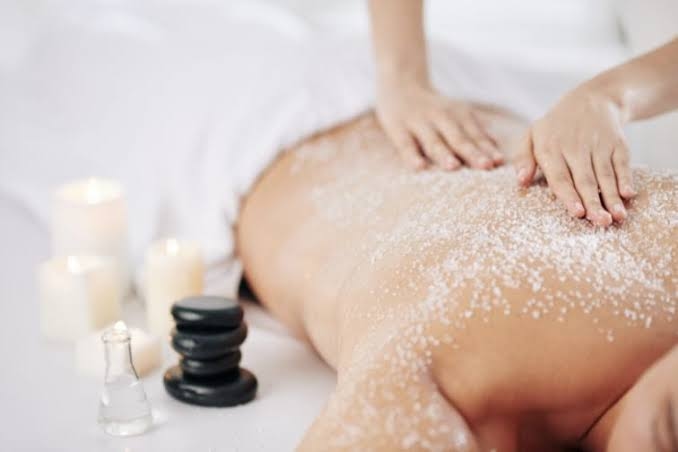
Oils and scrubs go straight onto your skin, so ask what's in them. It's a fair question, and a confident spa will answer without fuss.
If you have a nut allergy, say so at booking, not once you're lying down. Sweet almond oil turns up in plenty of massage blends. The same goes for fragrance sensitivities or any past reaction.
Menus, Prices and Small Print
Treatment names can be dreamy. "Royal Desert Renewal" might be a simple scrub. It might also be scrub, wrap and massage combined. Only asking tells you.
Menus vary a great deal in quality. Comparing body spa Dubai listings online, you'll see some that spell out every step. Others lean on adjectives. The first kind is far easier to trust.
A clear menu reads like this: ninety minutes, split into fifteen of scrub, sixty of massage, fifteen of rest. That leaves very little room for surprises.
Check what the price includes. Taxes and service charges catch people out, and so does the gap between "treatment time" and "time in the room". A sixty-minute massage should mean sixty minutes of massage, not forty after undressing and chatting.
Cancellation rules belong in the same conversation. Life interrupts, and a fair spa tells you its policy beforehand, not after you've missed a slot.
Booking Without the Hassle
Booking tells you something too. If a message sits unanswered for two days, imagine how a complaint would be handled.
Speed of reply matters more than many owners realise. Someone searching for a body spa near me in Dubai at ten at night wants a quick answer on tomorrow's slots. Places that confirm in writing and explain where to park tend to be well run elsewhere too.
Online booking helps here. Salonist lets you compare spas, see what each treatment includes and pick a slot without ringing round. It can't tell you who has the better hands, but it saves an hour of back and forth.
Who Is Doing the Work
Training matters, and so does time served. Ask how long your therapist has been with the spa and what they specialise in.
Low staff turnover is a quiet compliment. People tend to stay where they're treated fairly, and they get better at the job the longer they stay.
A good therapist also knows when not to treat. Mention a fresh injury, a fever or a skin infection, and they should suggest waiting. That can feel disappointing at the moment. It means they're thinking about you, not the invoice.
The Hour After
What happens after the massage matters nearly as much. A good place doesn't hustle you out. There's water, somewhere to sit, maybe tea, and ten unhurried minutes before you rejoin the traffic.
Aftercare advice should be specific. Drink water, skip tonight's gym session, stay out of direct sun after a scrub. If all you hear is a vague "take care", ask what exactly to avoid.
Some spas message the next day to ask how you feel. It costs nothing. It also tells you they would rather hear about a problem than lose you quietly.
Little Things That Add Up
Lockers that lock. A hairdryer that works. Slippers sealed in plastic. Someone holding the door when you're barefoot and slightly wobbly.
None of it replaces skill. It does show that the people running the place have thought about the visit from your side of the counter.
Cultural thoughtfulness belongs on this list. Plenty of UAE clients want a same-gender therapist, a private changing area, or later hours during Ramadan. A spa that arranges these calmly, without being asked twice, has clearly done it before.
When to Walk Away
Sometimes leaving is the right call. It feels rude. Do it anyway.
Walk out if the room is dirty or there's no health form. Walk out if someone pushes a package before your first session. Leave if a therapist ignores "too hard" or "too light". Leave if the bill doesn't match the quote.
One wobble isn't always a verdict, though. A late start or a forgotten towel can happen anywhere. What matters is the response: a shrug, or a proper apology and a fix?
Final Thoughts
A great body wellness space isn't defined by marble or menu length. It comes down to clean linen, a therapist who listens, honest prices, and treating clients as people.
Go in and watch for those things, and one visit will teach you more than a page of five-star reviews. If it was good, book the next one before you leave.



