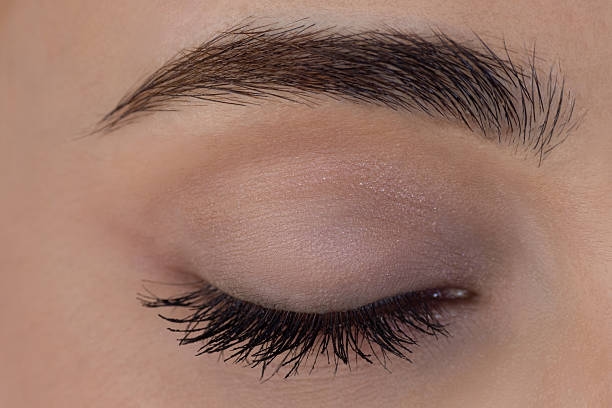
Nobody tells you how strange your brows will look in the first week. You walk out of the studio with perfect, defined arches, and a few days later they’re flaking, patchy and a shade you don’t remember choosing. That’s the point where most people start googling at midnight. If you’re about to book permanent brows, knowing what the eyebrows healing process looks like ahead of time will save you a lot of worry.
Honestly, while it is not difficult to heal, there will need to be some patience and discipline involved. The skin will do a lot of work during this process, so your treatment will determine how smooth and even the outcome will be. Along the way, people ask all kinds of related questions too. Some wonder how artists learn this craft, which is where a solid PMU apprenticeship comes in. Others want to know about laser facial vs tattoo removal, since they’ve heard lasers can affect pigment. So let’s go through all of it in plain language, the way you’d explain it to a friend.
The First Week, Day By Day
Immediately following your session, the brows appear much darker and bolder than they will be. This is perfectly fine. As the pigment has been applied onto new skin, it can take time to settle into place. There may be slight redness and a little sensitivity for the first day or two. You can expect a little sunburn type feeling along the brow line.
You should leave it for 2 or 3 days. You'll be given some ointment or balm by your artist. It's very important that it's only a thin layer as too much can cause the area to sweat and cause delays. Keep the area clean and pat dry. Don't be tempted to touch it with dirty hands.
Starting around day 4 or 5, you will notice some flaking. There will be little scabs and dry areas in your brows. Most people will start to get panicky here and start picking at them. This is the worst thing you can do. If you pull out flakes you could lose pigment and also cause holes which are difficult to fill. Let the flakes fall off naturally. It might be annoying but it is worth it!
Around day 5-10 your brows might look like they are losing their colour. This is because the pigment has been covered up by new healing skin. Knowing this will help keep you calm and not make you want to rush back to the studio thinking that something has gone wrong.
Weeks Two To Four And The Touch Up
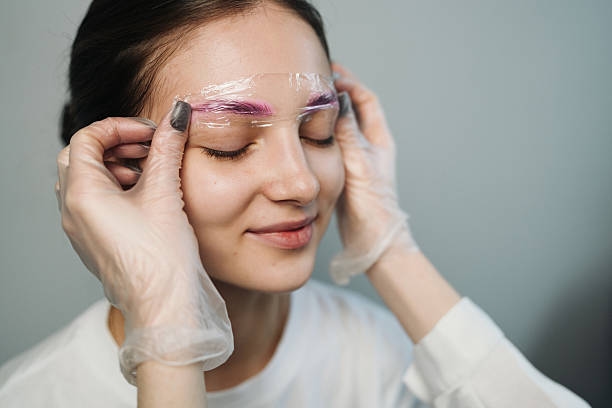
Once the flaking is done, the brows usually look lighter and a bit powdery, sometimes even a touch cool or ashy. That’s normal as well. Over the next couple of weeks the color gradually warms up and deepens as the skin finishes renewing itself. By about the four week mark you’ll see something close to your real result.
This is also when you can judge the shape properly. Healing is never perfectly even, so most people have a spot or two that took pigment less well. Maybe the tail is lighter, or a few strokes vanished. That’s exactly what the touch up session is for. Most artists schedule it around four to eight weeks after the first visit, once everything has fully settled.
Give some honest feedback. Let the artist know what you like and don’t like. A good artist will be happy to hear your point of view and make changes to suit you. Maybe they will change the shape, darken an area or soften an edge.
After that, it is usually a year or so until the brows need to be refreshed. Your skin type, sun exposure and skin products will affect how long they last. Oily skin can cause the pigment to fade faster whereas drier skin can hold onto the pigment longer. Ask your artist what to expect with your skin type to help plan when you may need some maintenance.
Habits That Help And Habits That Hurt
A few simple tips will help. Don’t get your brows wet in the shower for the first week or so. If you need to, angle your face so that water doesn’t hit them or use a barrier as your artist suggests. Avoid saunas, steam rooms, hot yoga and swimming pools as sweating, chlorine and heat can cause irritation. Wash your pillow case and try sleeping on your back. Avoid wearing heavy makeup around the brow area.
Skin products are also important! Products containing acids, retinol, harsh exfoliators and cleansers can cause irritation with healing skin and speed fading of your pigments. Keep your routine gentle until your artist has confirmed you’re healed. Once healed using a daily sunscreen is the best thing you can do for your eyebrows. Sun will fade your pigments quicker than almost anything!
Treatments you have done elsewhere matter as well. People often ask about laser facial vs tattoo removal when they’re thinking about their skin, because both use light based technology. These are different treatments. The laser facial aims to enhance skin tone and texture whereas the tattoo removal will use higher levels of energy to shatter the pigment within the skin. Both treatments can cause issues with your brow pigmentation so never have any laser treatment around your brows without informing your provider. Once your eyebrows have healed completely, ask your artist how much time should be left between treatments.
If you ever want to make changes to your brows, then you should speak to a professional. Often we can adjust the colour and/or shape during a correction appointment. It’s important to understand the difference between laser facial and tattoo removal, but ultimately it will depend on what you want to correct.
Why Training Matters And What A PMU Apprenticeship Teaches
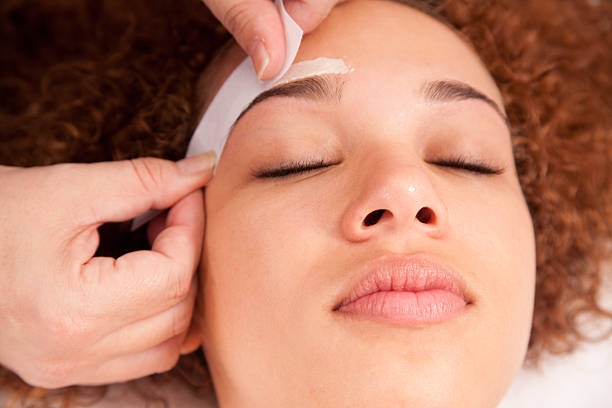
All of this healing depends on one thing you can’t see in a photo, which is the skill of the person doing the work. Needle depth, pigment choice, stroke spacing and how well the artist reads your skin type all shape how your brows heal. That’s why training matters so much, and why a proper PMU apprenticeship is worth understanding.
A real PMU apprenticeship isn’t a weekend course with a certificate at the end. It means weeks of watching, practicing and being corrected by an experienced professional. Trainees learn skin anatomy, color theory, sanitation, needle depth and how different skin types heal. They practice on skin alternatives first, then move on to models under close supervision.
The best thing about a good PMU apprenticeship is learning the unteachable skills. Trainees will learn how to speak to nervous clients, refuse to do a design that isn’t right for someone and identify any healing issues. This helps protect clients from any regrets and is usually due to hands-on mentoring.
If you are considering working in this area, then ask how many hours of practical work there is, what the group sizes are and whether there is continued mentorship after. Smaller groups with continual feedback will always be better than busy classrooms. And as a client, it’s perfectly fine to ask your artist where they trained. Someone who came up through a thorough PMU apprenticeship is usually proud to talk about it, and that confidence tends to show in how their brows heal.
Conclusion
Overall, it’s just making sure you’re being patient and keeping things clean during the recovery time. You will notice a few days of darkness, flaking and fading, but keeping your routine simple, keeping your eyebrows out of the sun and attending your touch up will help. If you’re weighing other skin treatments, remember that laser facial vs tattoo removal is a question to bring to your artist before anything is booked. And if you ever think about training in this field, a strong PMU apprenticeship is the best place to begin. GEM Beauty PMU offers permanent makeup services and training, so you can ask your questions in a relaxed setting. Reach out to GEM Beauty PMU and book a consultation when you’re ready. A little preparation now makes the whole process far calmer.
FAQ
Q1. How long does it take for tattooed brows to fully heal?
The surface usually heals in one to two weeks, and the final color settles after about four weeks.
Q2. Is it normal for brows to look patchy while healing?
Yes, flaking and uneven color are normal, and the touch up session exists to correct any spots that healed lightly.
Q3. Can I wash my face during healing?
Yes, but keep the brow area dry and clean for the period your artist recommends, and pat it gently instead of rubbing.
Q4. Can a laser facial affect permanent brows?
It can, so wait until your brows are fully healed and tell your provider about your permanent makeup first.
Q5. What does PMU training involve?
It combines theory with practice on skin alternatives and supervised work on real models, guided by an experienced artist.