The stores look full and the inventory value is high. Yet when a critical machine stops, the part that is needed is missing, obsolete, mis-coded or still on a long import lead time—while shelves hold years of slow-moving items that never touch a breakdown.
Production delays despite large spare parts inventories are rarely a simple “buy more” problem. They usually reflect planning gaps: wrong parts stocked, weak linkage to failure modes, poor master data and no policy for lead time risk. Manufacturers can improve inventory availability and reduce equipment downtime through spare parts planning and inventory management. Fixing those gaps reduces both downtime and locked capital.
What the Problem Actually Means
In day-to-day plant life this shows up as:
Breakdown waits while non-critical spares sit unused
“Part available in system” but not findable in the bin
Duplicate codes for the same item and zero stock under the code used by maintenance
OEM changes after upgrades while old spares remain on the books
Emergency air-freight for parts that should have been stratified as critical
High inventory value with low service level on true bottleneck assets
Large inventory is not the same as high spare parts availability where it matters.
Why Plants Accumulate Stock and Still Lose Output
Stores policies often grow from fear of stock-outs after a painful shutdown. Purchase teams order from vendor lists or OEM recommendations without reviewing actual consumption and failure history. Maintenance, reliability and procurement work on different part numbers. Imported long-lead items are treated like local consumables. Over time the warehouse fills with insurance stock for low-risk items and remains thin on the few parts that stop the line.
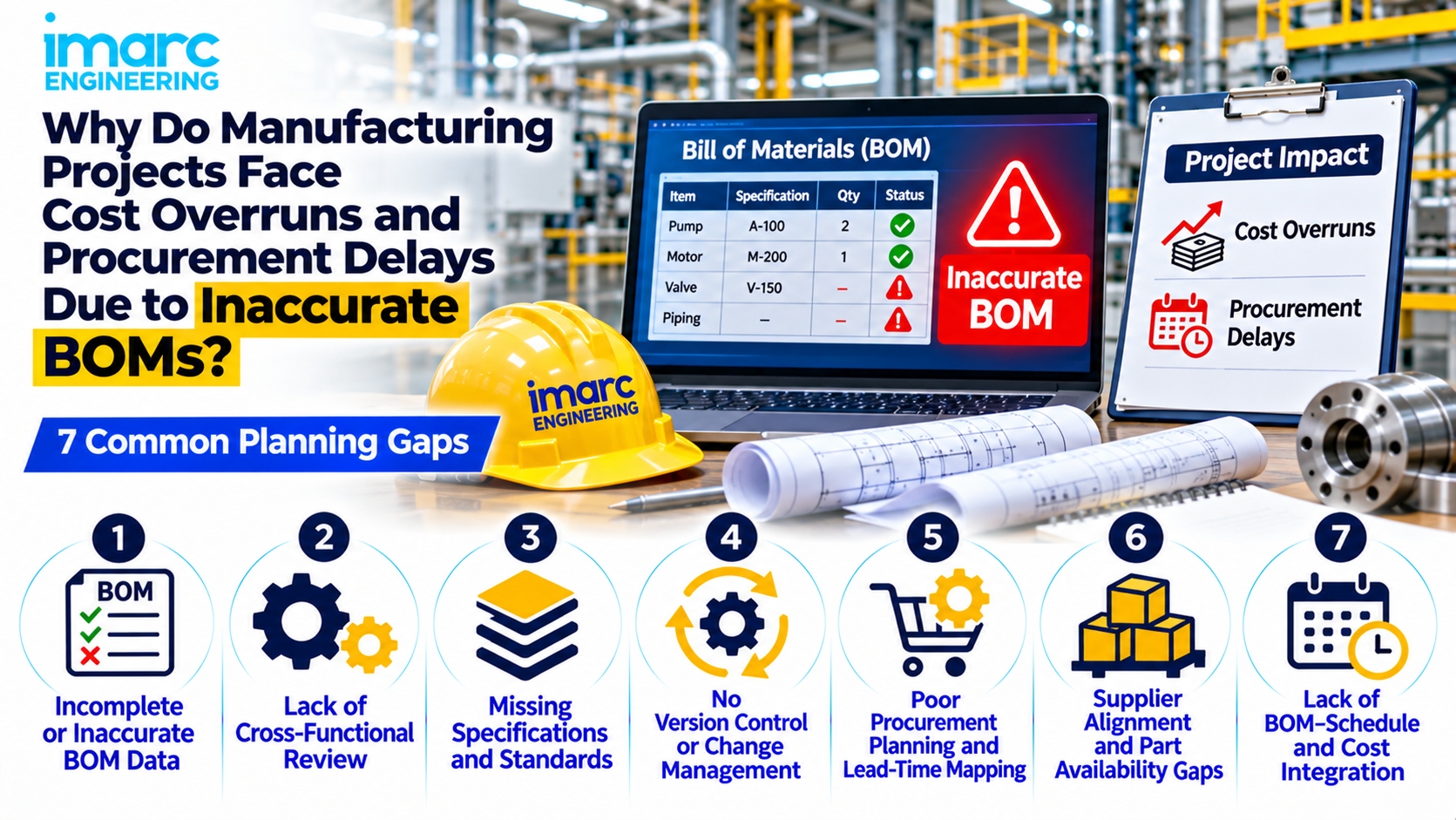
7 Planning Gaps to Fix
1. No criticality link between asset and spare
If stocking is not driven by which equipment stops production, safety or compliance, inventory grows around convenience and vendor push. Criticality ranking of assets must drive min/max and coverage rules.
2. Weak failure and consumption history
Without reliable work-order linkage to parts used, planning defaults to guesswork. Intermittent failures and one-time project leftovers distort what “should” be on the shelf.
3. Master data and codification errors
Duplicate codes, missing specifications, wrong makes/models and unclear unit of measure create false stock figures. The system shows quantity; the fitter cannot use it.
4. Lead time ignored in stocking logic
A fast-moving local seal and a 12-week imported gearbox cannot share the same reorder logic. Planning must separate short-lead and long-lead risk, especially for imported equipment common in Indian plants.
5. No review after equipment modification
Upgrades, vendor changes and discontinued models leave obsolete stock behind and create new gaps. Engineering change should trigger a spare parts review, not only a drawing update.
6. Stores location and kitting discipline missing
Parts exist but are unlabelled, mixed or locked in informal hoards at the line. Issue delays become production delays even when the item is on site.
7. Policy focused on value, not service level
Budget pressure freezes purchasing globally, including true critical spares, while historical overstock remains untouched. The metric should be availability for critical equipment—not only total inventory value.
How to Diagnose and Close the Gaps
List downtime events caused by waiting on parts
Rank by lost production impact, not by anecdote alone.Map critical assets and their single-point-of-failure parts
Focus first coverage on items that stop the bottleneck or create safety risk.Clean the material master for those parts
One code, clear description, OEM reference, lead time and preferred source.Compare stock versus actual issues for 12–24 months
Identify zero-movers and chronic stock-outs separately.Set policy by lead time and criticality
Long-lead critical parts need deliberate coverage; low-risk local items can run leaner.Quarantine or dispose obsolete stock after engineering confirmation
Free space and attention for parts that still match the installed base.Improve issue process: location, labelling, kit readiness
Response time is part of availability.Review spares at every major equipment change
Make it a gate, not an afterthought.
Practical Scenarios
Scenario A: Full rack, empty critical bin
High-value inventory of belts and hardware; the proprietary sensor that stops the filler is at zero and on import.
Scenario B: System says available
Two codes for one mechanical seal. Stock sits under the unused code; the job waits.
Scenario C: Post-upgrade mismatch
Line was modified; old wear parts remain in stores. New configuration parts were never added to min/max.
Scenario D: Stratified planning
Criticality, lead time and cleaned masters drive stocking. Inventory value may fall while downtime from parts waits declines.
Decision Point: More Inventory—or Better Availability?
Ask:
Which recent production losses were truly caused by missing spares?
Do we stock by asset criticality and lead time, or by habit?
Can maintenance trust the material master on the shop floor?
When equipment changed, did the spare list change with it?
Are we measuring service level on critical parts, or only rupees in stores?
If the default response to every delay is “increase stock,” the planning system is not learning.
Spare Parts Planning Checklist
Critical equipment and failure-impact list updated
Parts linked to assets and work orders
Material master cleaned for critical items
Lead times recorded and used in reorder logic
Min/max or coverage rules differentiated by risk
Obsolete items identified after modifications
Bin location accuracy audited
Emergency purchase log reviewed for pattern gaps
Ownership clear between maintenance, stores and procurement
Periodic review calendar active (not only year-end stock count)
When to Fix These Gaps
After repeated breakdown delays despite high stores value
Before major turnarounds or seasonal peak load
When new or imported lines are commissioned
After process or OEM changes
When working capital pressure demands inventory reduction without raising downtime risk
Fixing codification and criticality before a blanket purchase freeze protects output while improving cash.
How IMARC Engineering Can Help
IMARC Engineering supports manufacturers who need spare parts treated as a reliability and working-capital problem—linking critical equipment, lead times and inventory policy so plants stop failing for want of the right part while shelves stay crowded with the wrong ones.
Relevant support is available through spare parts and inventory planning advisory for teams reducing downtime risk without uncontrolled inventory growth.
Talk to IMARC Engineering if production still waits on spares despite a large inventory, and you need criticality, master data and stocking policy corrected before the next peak season or shutdown: https://www.imarcengineering.com/contact?service=bill-of-materials-preparation
Conclusion
Manufacturing plants face production delays despite large spare parts inventories when stock is not planned around criticality, failure history, clean master data, lead time and engineering change. Volume of inventory cannot compensate for the wrong SKU in the wrong place with the wrong code.
Closing the seven planning gaps improves service level where output is at risk and releases capital tied in obsolete or low-value holdings. The goal is not a fuller store—it is a shorter wait when the bottleneck stops.
The practical takeaway is clear: stock the parts that protect production and safety, with data maintenance can trust, and review them every time the machine changes—because availability is a planning result, not a warehouse size result.
Contact Us:
IMARC Engineering
Phone: +91-120-433-0800
Email: sales@imarcengineering.com
India: C-130, Sector 2, Noida, Uttar Pradesh 201301
LinkedIn: https://www.linkedin.com/showcase/imarc-engineering/