
Few science-fiction worlds are as instantly recognisable as Blade Runner. You can show someone a rain-soaked street, neon signs bleeding through smog, enormous advertisements hanging above crowds and architecture that feels both futuristic and strangely exhausted, and there is a good chance they will understand the reference even without seeing a replicant or a spinner. Ridley Scott's 1982 film did not simply create a setting for one story; it established a visual language that has been copied so extensively that much of what we now instinctively describe as cyberpunk still owes something to that version of Los Angeles.
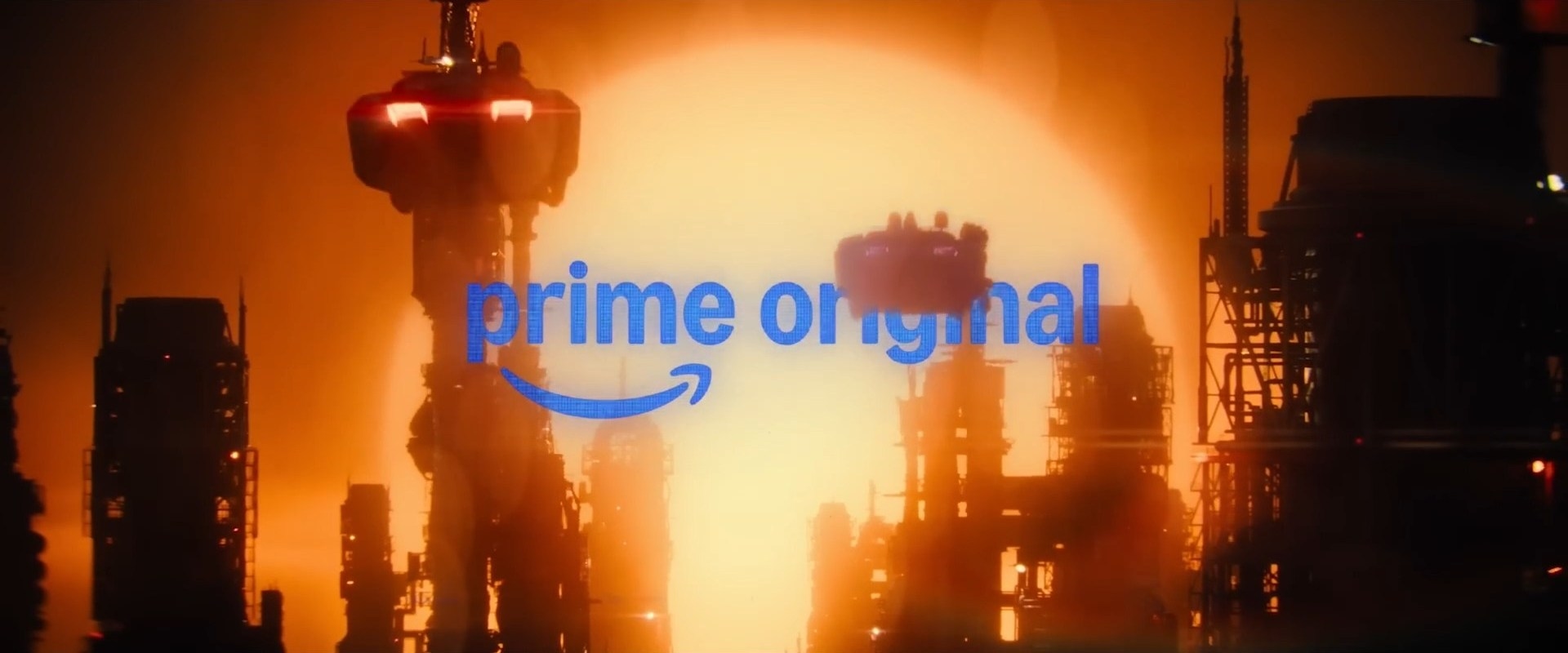
That makes Blade Runner 2099 an unusually difficult continuation. Prime Video is not merely returning to a famous fictional universe fifty years after Blade Runner 2049. The series is also trying to change one of the things audiences most strongly associate with the franchise: what its world is supposed to look and feel like. Showrunner Silka Luisa calls the new approach “sunshine noir”, replacing the expectation of perpetual darkness with a hotter, brighter and more coastal Los Angeles. It is an interesting idea, and potentially exactly what the franchise needs after two films that already established their own distinctive visual identities. At the same time, judging by the first teaser, it may also be one of the greatest risks Blade Runner 2099 is taking.
Blade Runner has never really had a single visual language
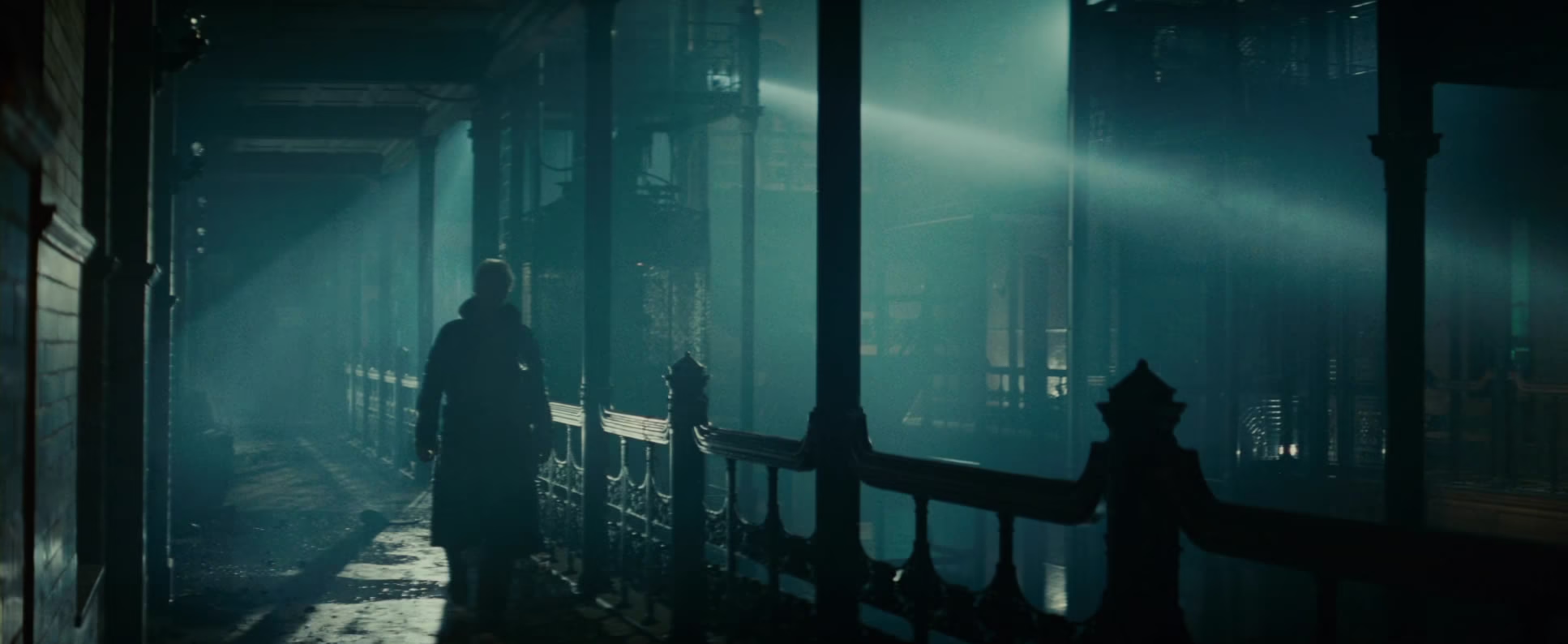
There is a temptation to treat the aesthetic of the original Blade Runner as a set of rules that every continuation must follow: rain, neon, darkness, smoke, crowded streets and monumental architecture. The problem with that approach is that Blade Runner 2049 already demonstrated why simply reproducing Ridley Scott's Los Angeles would have been the less interesting choice.
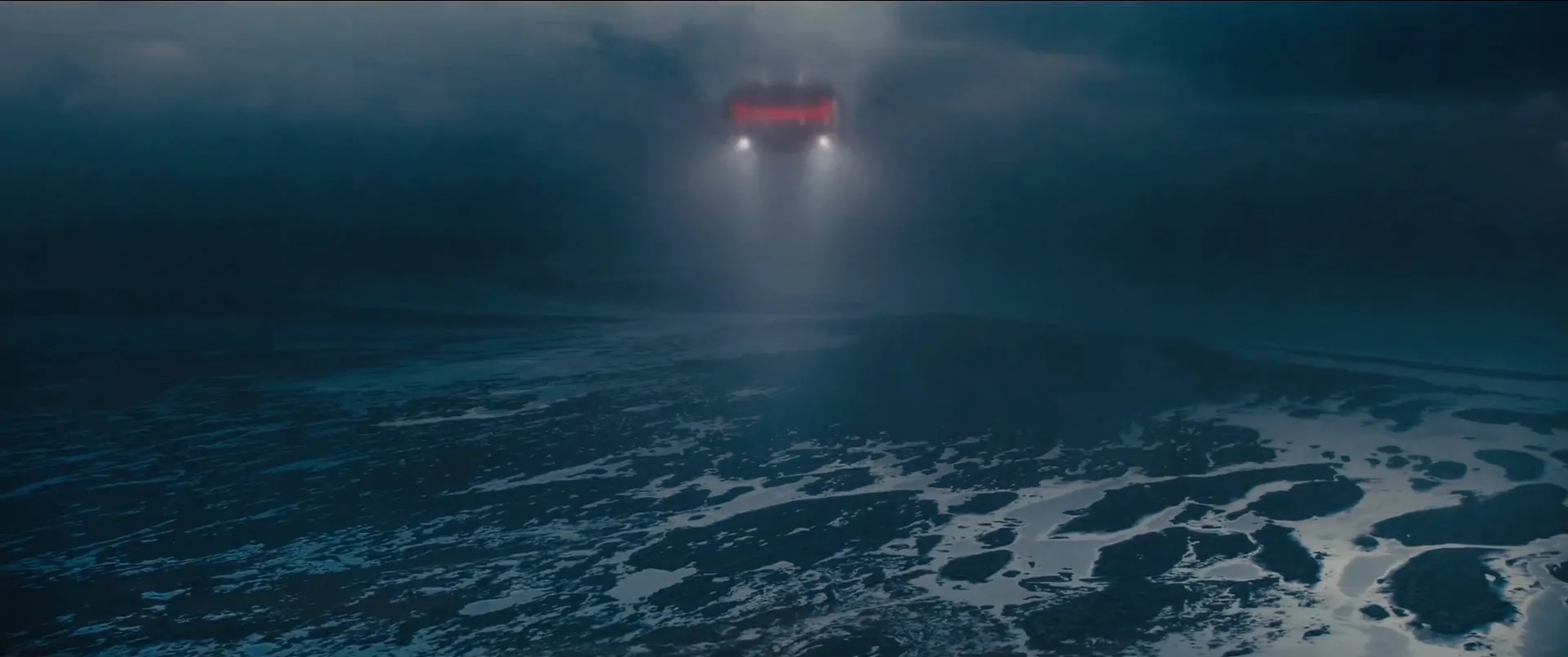
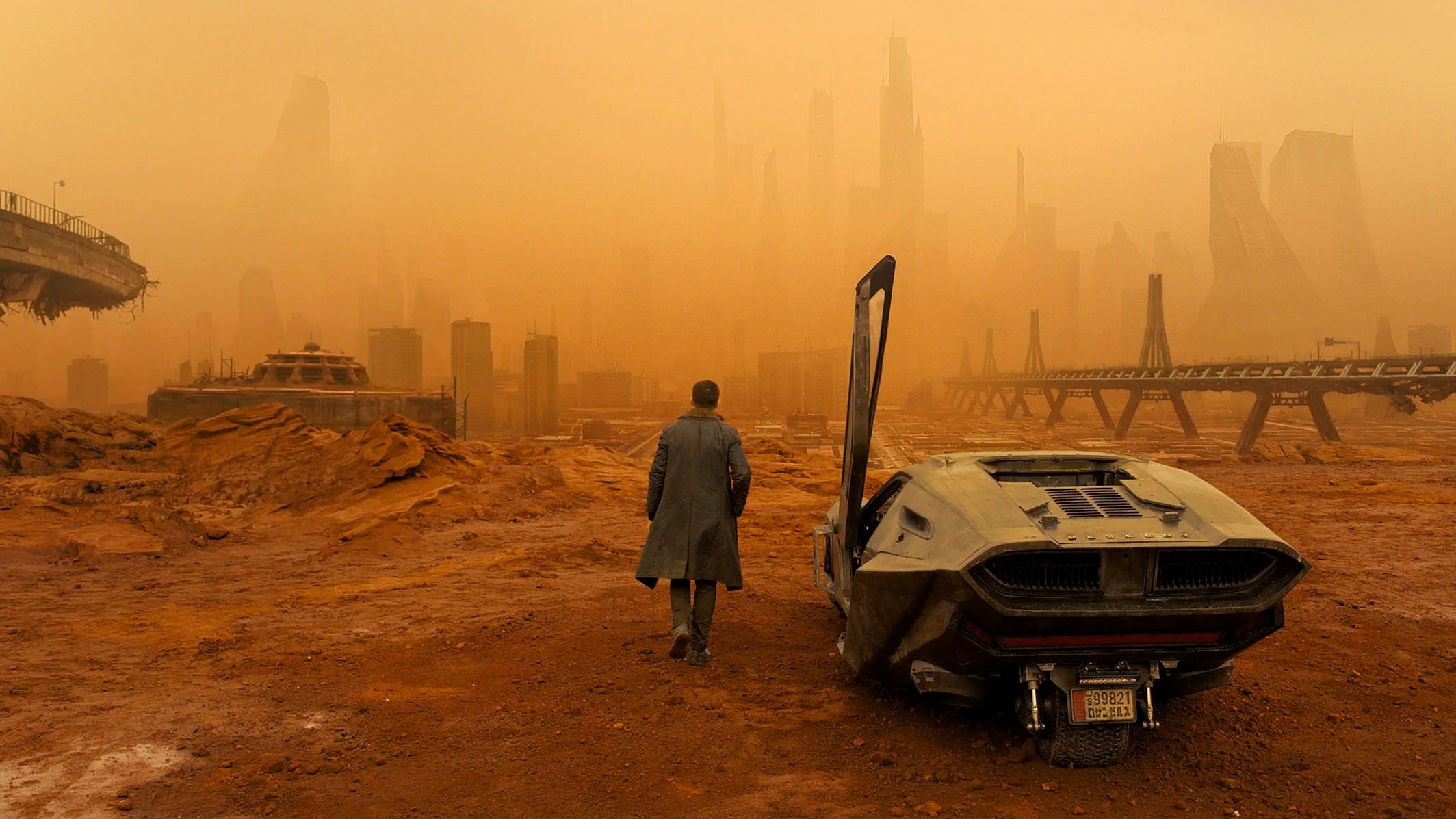
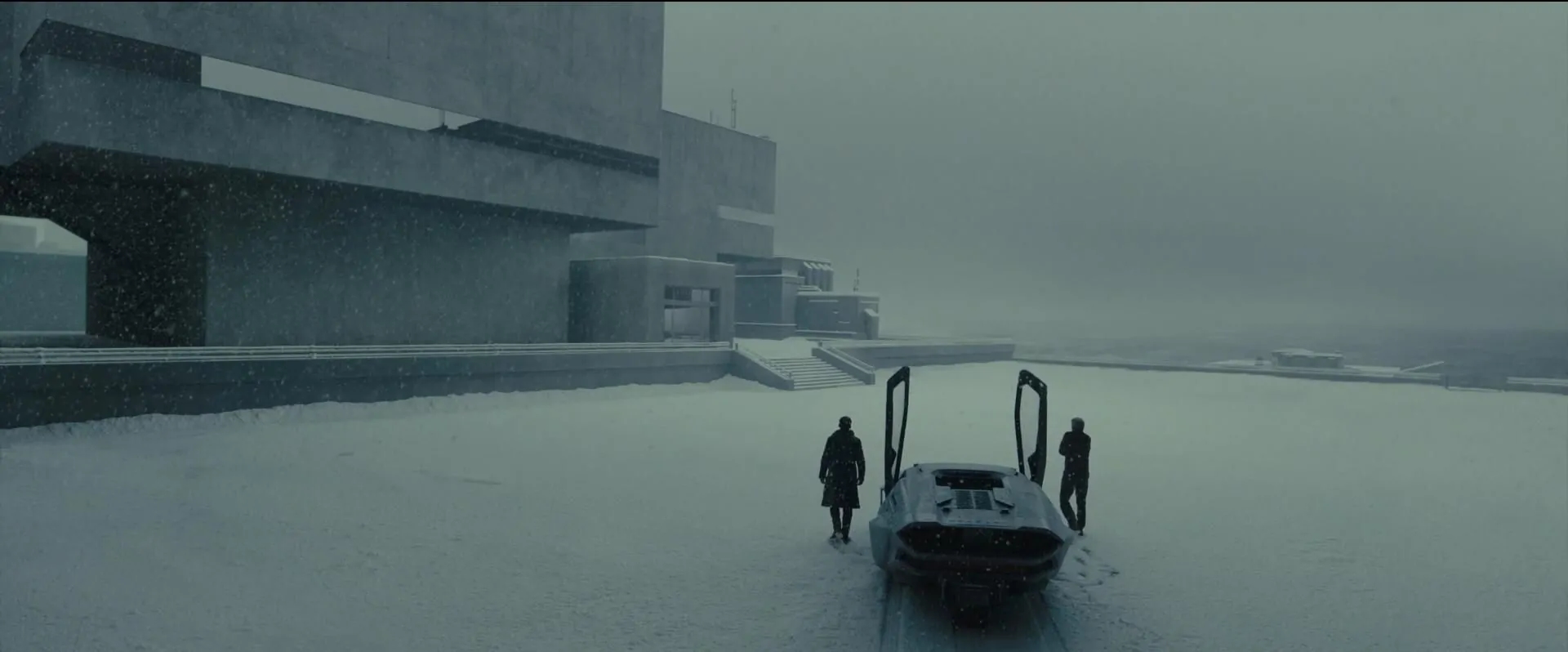
Denis Villeneuve and cinematographer Roger Deakins preserved the texture and melancholy of that universe while greatly expanding its visual vocabulary. Their future could still be dark, wet and claustrophobic, but it could also be almost colourless, buried under snow or dust, or suddenly overwhelmed by the irradiated orange haze of Las Vegas. The world remained recognisably Blade Runner without looking like a 35-year-later reconstruction of the 1982 film, because the continuity existed somewhere deeper than the weather forecast.
That is the standard Blade Runner 2099 has to meet. A continuation should not look different merely because the creators need a new poster palette, but neither should it spend eight episodes recreating images that two previous films have already perfected. If the fictional world has changed over fifty years, its architecture, social hierarchy and visual environment should have changed with it.
And the world of 2099 apparently has changed rather dramatically. Between Blade Runner 2049 and the new series, a replicant uprising has become a war that humanity lost. Replicants are now the dominant force in Los Angeles, while humans have been pushed into the position of second-class citizens. Prime Video's official synopsis describes a city that has been “reborn, just not by humanity”, with fugitive Cora assuming the identity of a Blade Runner and being forced to work with Olwen, a Replicant approaching the end of her life.
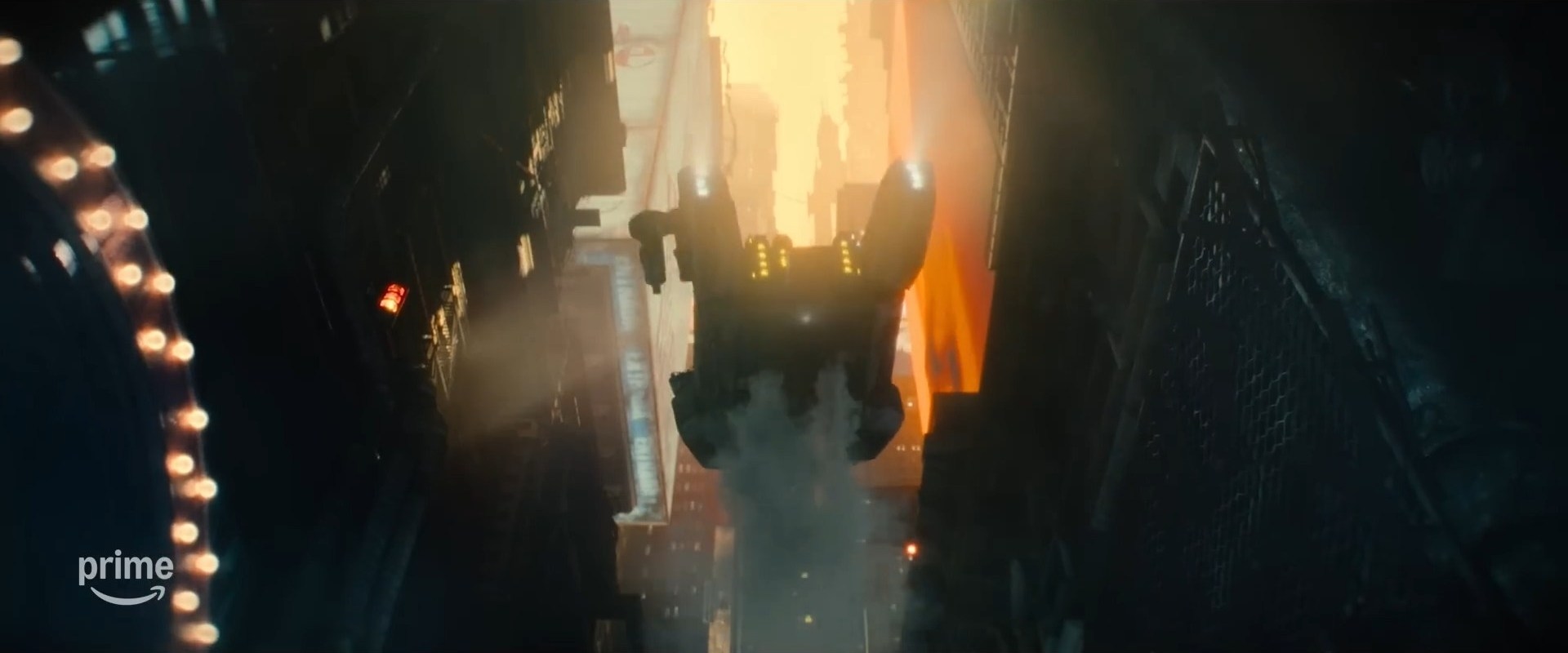
If that premise is genuinely important rather than simply background exposition, then Los Angeles should not look exactly as it did when humans and corporations controlled the hierarchy. A different society deserves a different city.
“Sunshine noir” makes more sense than it initially sounds
This is where the idea of “sunshine noir” becomes interesting. Luisa has described 2099 as a story about birth: the birth of a new city, a new replicant era and characters discovering what they are. The climate is hotter and brighter, the story spends more time around the coast and Santa Monica, but the creators still want to retain the tactile density associated with Ridley Scott's film. Conceptually, I like this much more than the safest alternative.
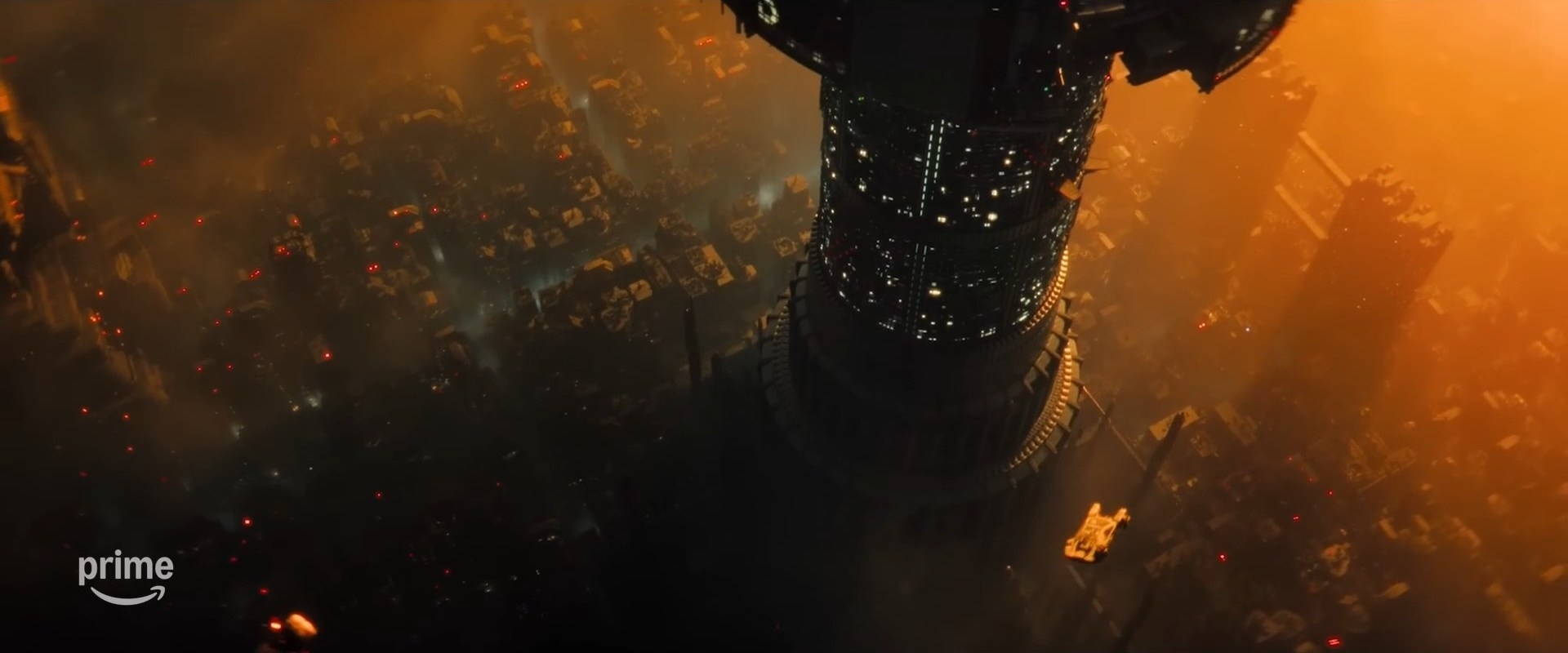
Noir has never depended exclusively on rain or nighttime. Darkness in noir is as much moral and psychological as literal, and a sunlit city can be every bit as oppressive as a wet alley at midnight. There is even something potentially unsettling about taking Blade Runner, a franchise whose cities have traditionally hidden people beneath darkness, pollution and artificial light, and exposing that world to the sun. The brightness does not have to make Los Angeles more optimistic; it can make its decay harder to hide.
There is also a practical world-building argument behind the change. The new Los Angeles is post-war, and the production design reportedly follows the idea that much of what would normally sit inside a building has been dragged outside. Infrastructure is exposed, technology is patched together from whatever survived, and objects are reused rather than elegantly redesigned for the future. Luisa has given the example of vehicles using components repurposed from completely different machines. That is a much more interesting principle than simply adding another layer of pipes, cables and glowing signs because audiences associate visual clutter with science fiction.
If it works, Blade Runner 2099 could look less like a pristine prediction of 2099 and more like a civilisation that has inherited the remains of several previous futures.
The teaser is where my doubts begin
The concept sounds convincing on paper. The first footage has not completely convinced me visually. What immediately stands out in the teaser is how often backgrounds appear unusually soft and defocused, while the colour palette leans heavily into dirty oranges and blues. Neither choice is inherently wrong, and it would be unreasonable to make a final judgement about an eight-hour production from compressed promotional footage uploaded to the internet. The teaser is also showing a project months before release, so colour grading and individual shots may not represent the finished series exactly as we will see it on Prime Video.
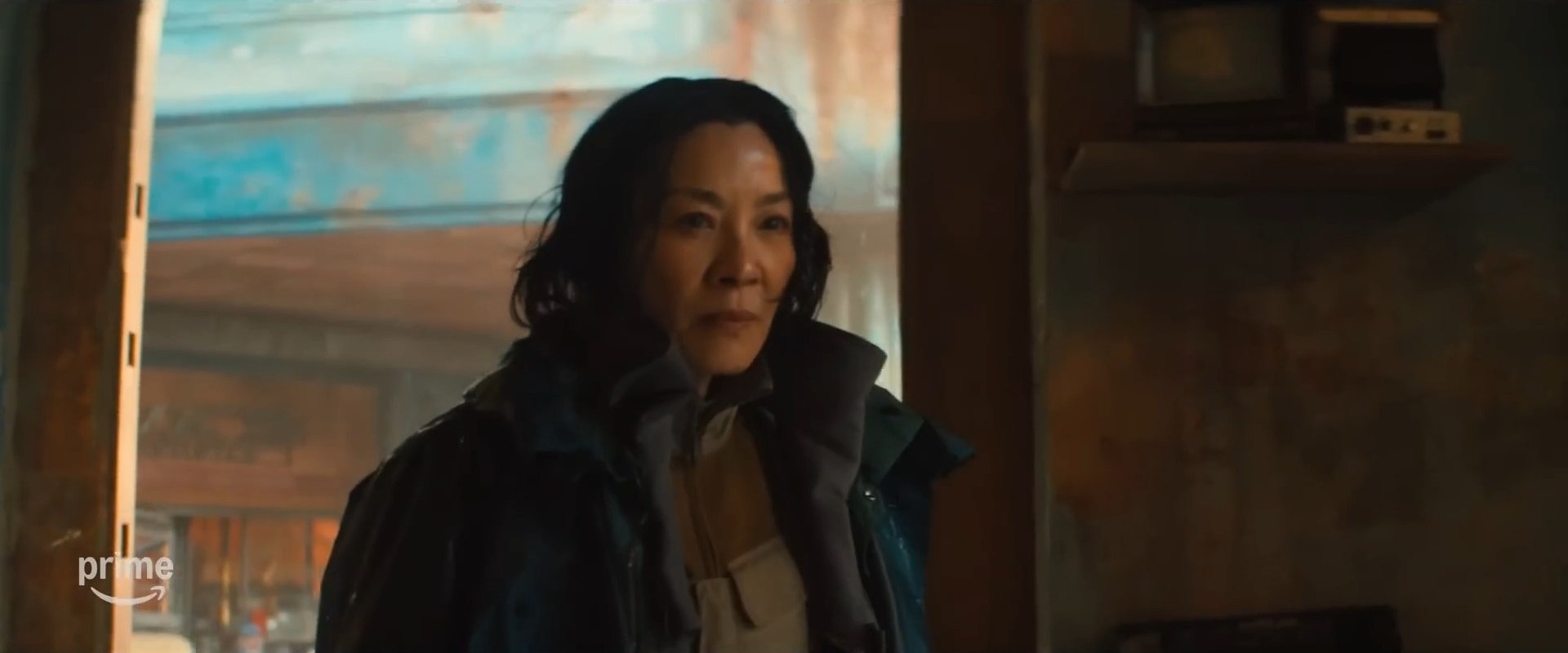
Still, there is a difference between understanding those limitations and pretending the first impression does not exist. My larger concern is the amount of greebling, the design technique of covering surfaces with small mechanical details, panels, vents, pipes and other elements whose main purpose is to make an object or environment appear technologically complex. Science fiction has used it for decades, often brilliantly, but it can very quickly turn production design into visual noise. When every wall, vehicle and skyline is covered with enough detail to announce “this is the future”, the result can paradoxically feel less specific.
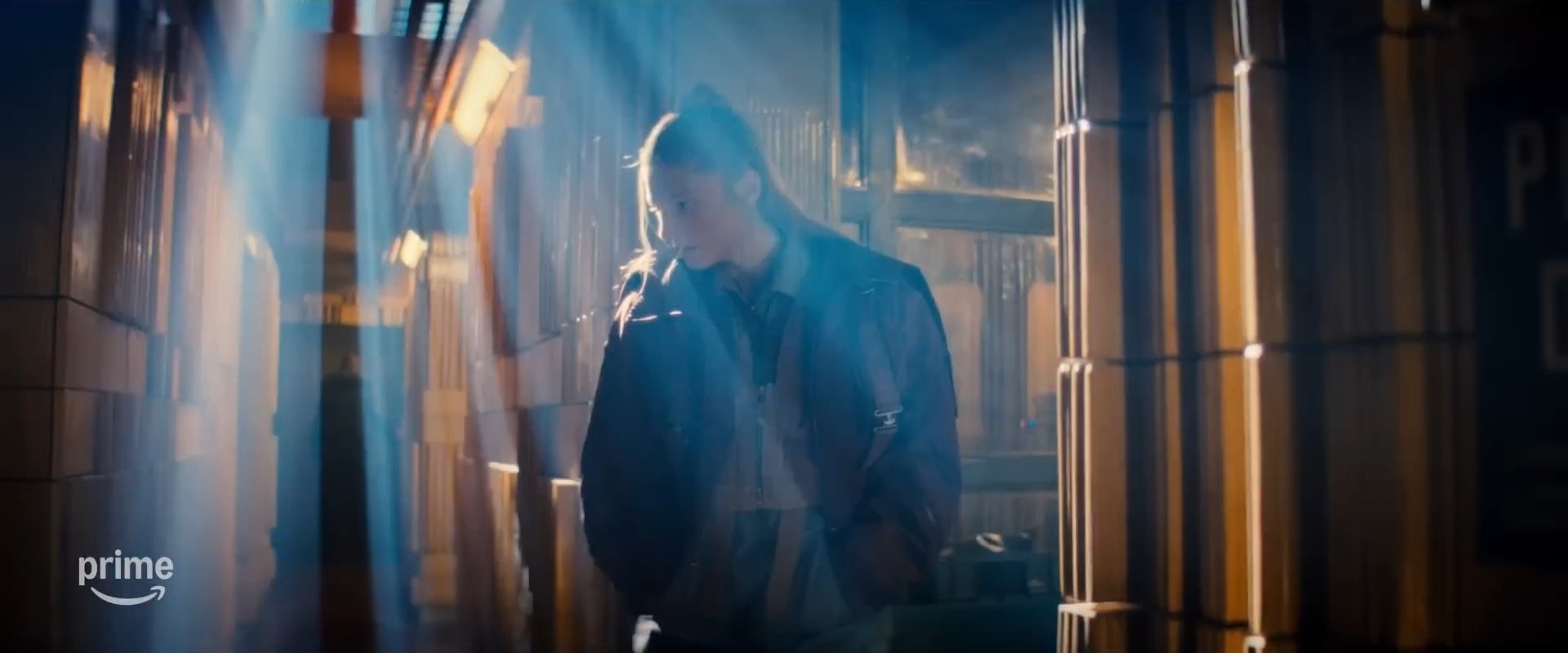
That matters more in Blade Runner than in most science-fiction franchises because its worlds have usually felt designed around function rather than decoration. The clutter in Scott's Los Angeles told you something about overcrowding, corporate power, cultural layering and a city that had been repeatedly rebuilt without ever being cleaned up. Blade Runner 2049 could do the opposite and leave enormous spaces almost empty because that emptiness communicated something about environmental collapse and social isolation. The best production design does not simply make a frame richer. It explains why the world looks the way it does.
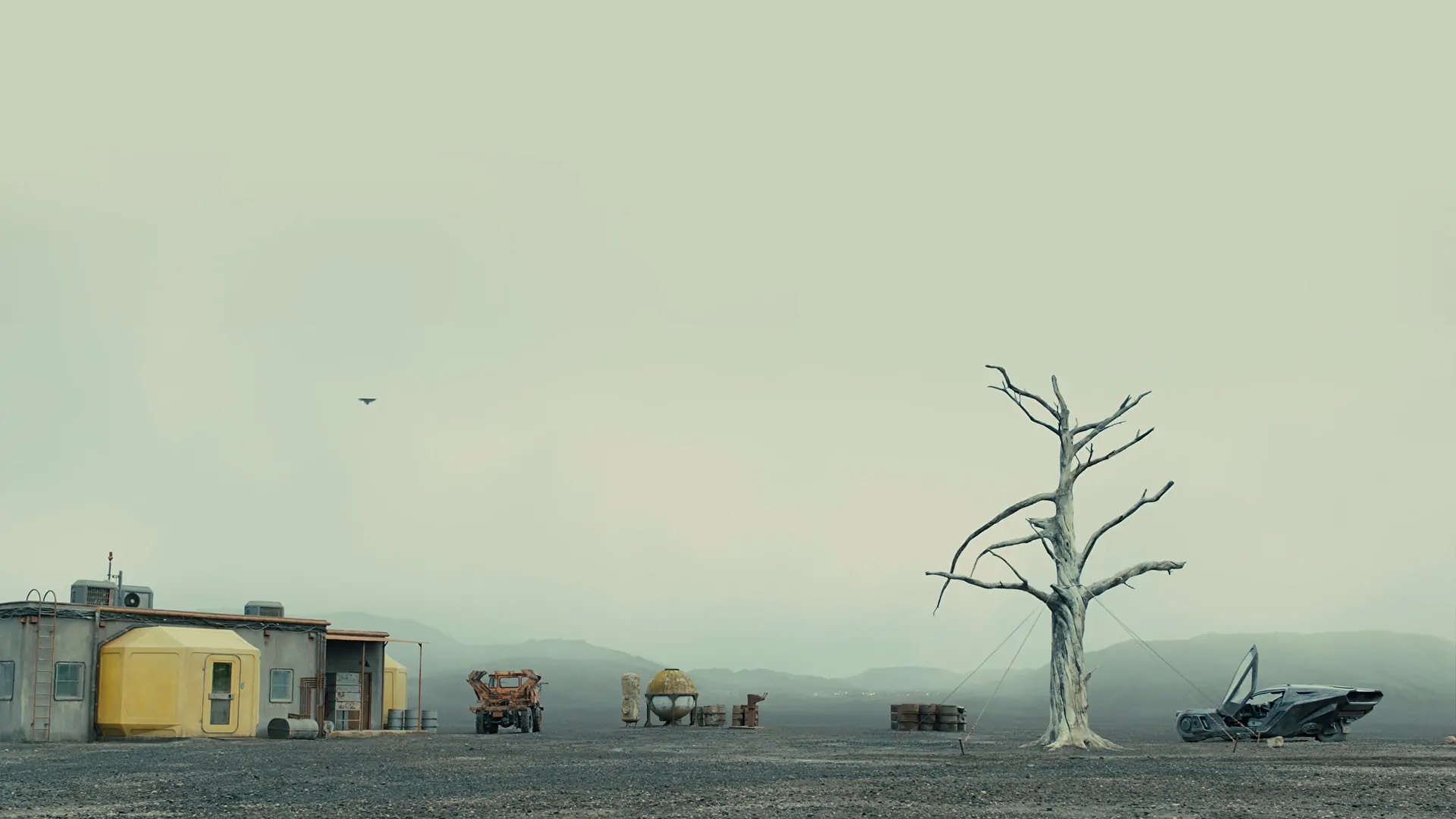
This is why I am much more interested in 2099's idea of a city physically reconstructed after war than in seeing how many futuristic elements can fit into a wide shot. If all those exposed systems, improvised machines and reused components actually tell us how Los Angeles survived, the density will have purpose. If they merely make the skyline look more “cyberpunk”, the series risks resembling one of the countless science-fiction productions originally inspired by Blade Runner rather than Blade Runner itself.
Practical sets may be the most encouraging part
One detail makes me considerably more optimistic: the production has apparently tried to keep much of this world tangible. Luisa says the series was shot largely in camera, with physical environments that actors could actually move through and touch, rather than building the entire future around them in post-production. The production also created a new version of the spinner, with Blade Runner 2049 supervising art director Paul Inglis involved in making sure the vehicle felt like an evolution of previous designs rather than an unrelated futuristic car carrying a familiar name.
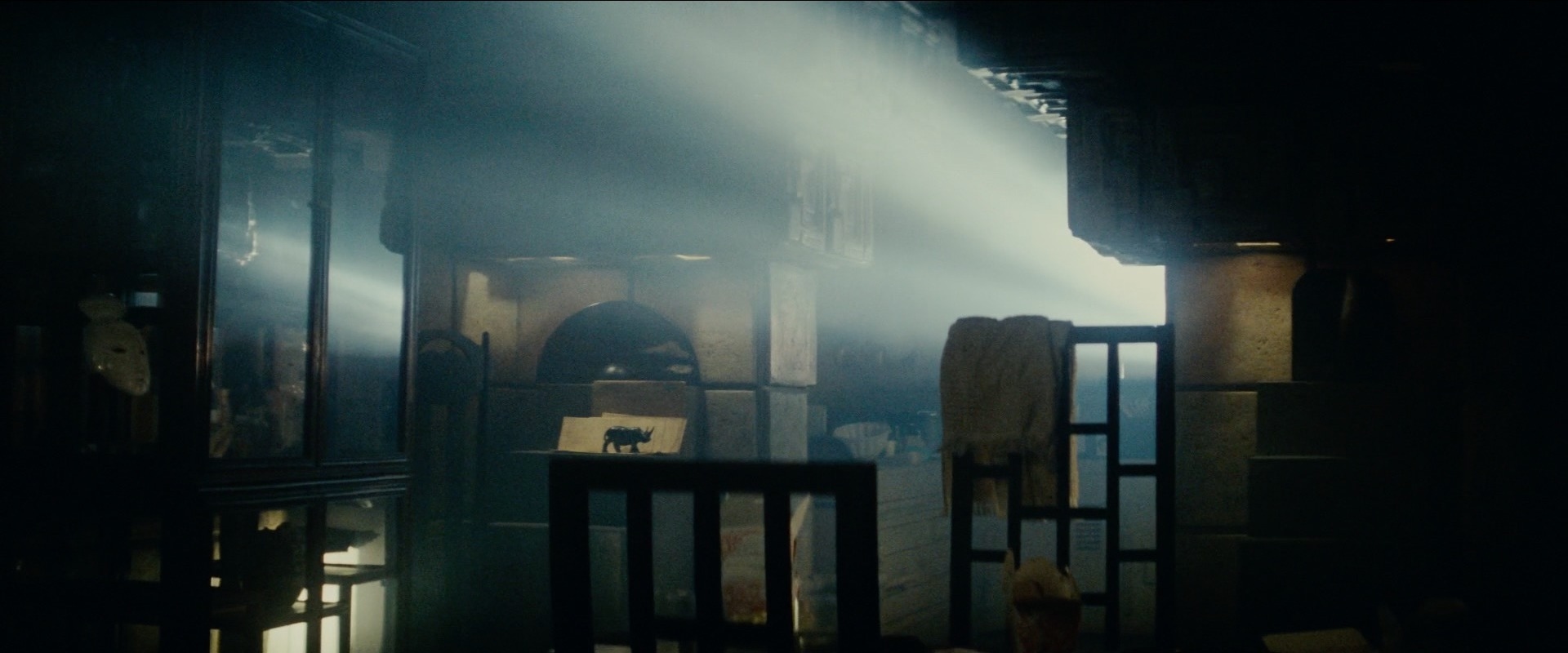
That approach matters because tactile imperfection has always been fundamental to Blade Runner. Its technology does not usually feel magical. Machines become dirty, interfaces become obsolete, buildings age and people continue using objects long after a cleaner science-fiction universe would have replaced them. The original film famously imagined an advanced future filled with devices that already seemed worn out, while 2049 understood that thirty years of technological progress would not magically erase poverty, pollution or old infrastructure. The future looks more believable when it contains a past.
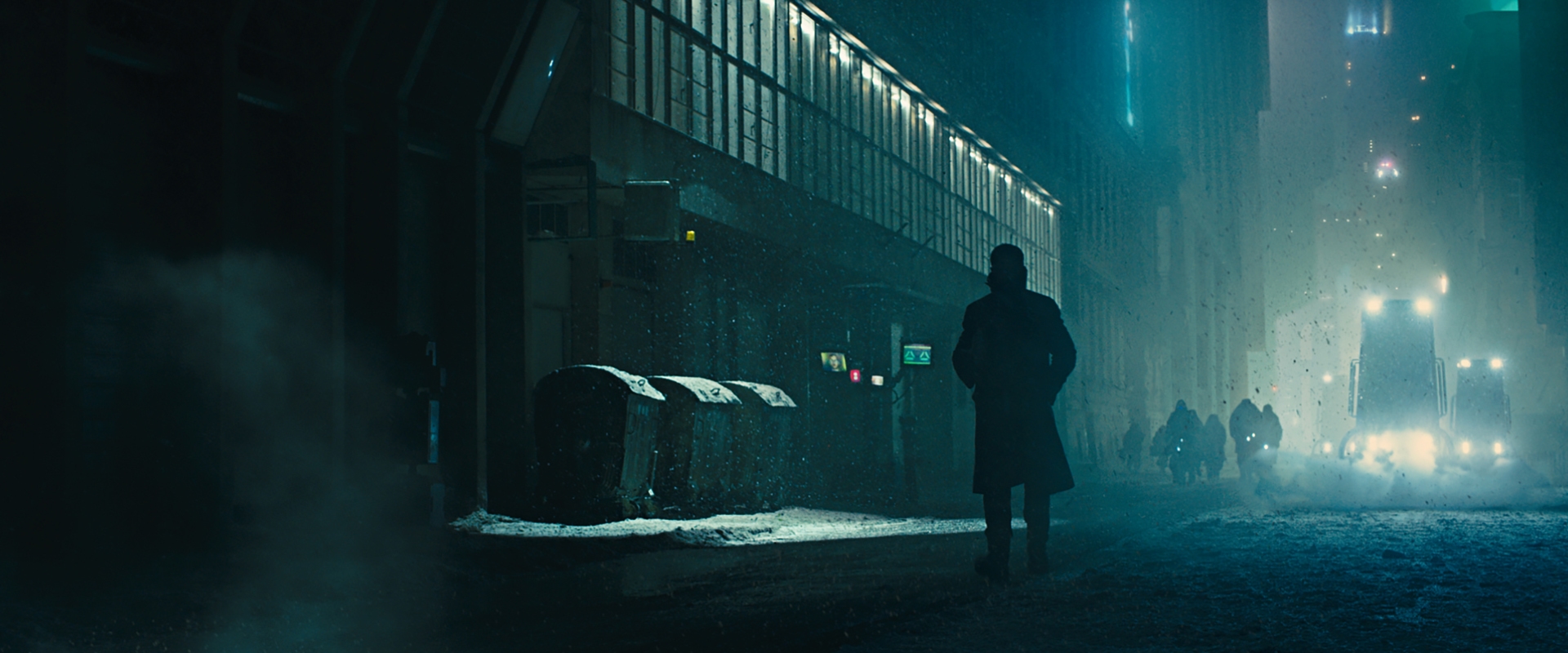
This is also one reason I am glad the series is not attempting to make every visual connection through computer-generated spectacle. A world as materially dense as Blade Runner benefits when surfaces have actual weight, when light hits something that physically exists and when performers are not permanently surrounded by environments that will only become visible months later. CGI can extend that world almost infinitely, but it is much harder for it to invent the small accidental imperfections that make a place feel occupied rather than rendered.
The real test is not whether it rains
Ultimately, I do not think Blade Runner 2099 needs rain, constant darkness or another collection of neon umbrellas to justify its place in the franchise. In fact, trying too hard to reproduce those elements would probably worry me more. We already have Ridley Scott's Los Angeles, and we already have Villeneuve's interpretation of what that world became thirty years later. What 2099 needs is the same underlying coherence.
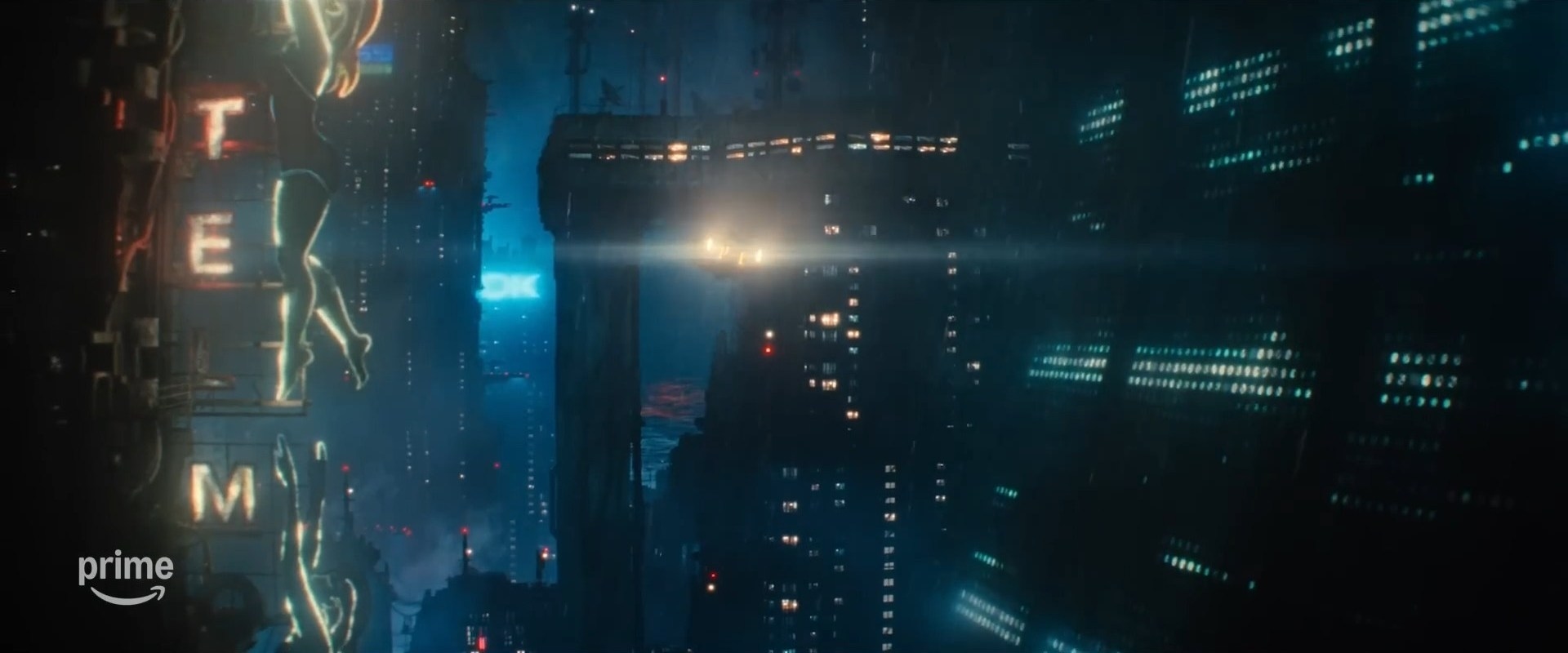
If replicants have won a war and now control the city, that shift should be visible not only in dialogue but in where people live, who occupies public space, how institutions operate and what technology is designed to do. If humans have become second-class citizens, the production design should make that social reversal understandable before a character has to explain it. If Los Angeles has been rebuilt from the remains of a conflict, the reused machinery and exposed infrastructure should carry history rather than merely texture.
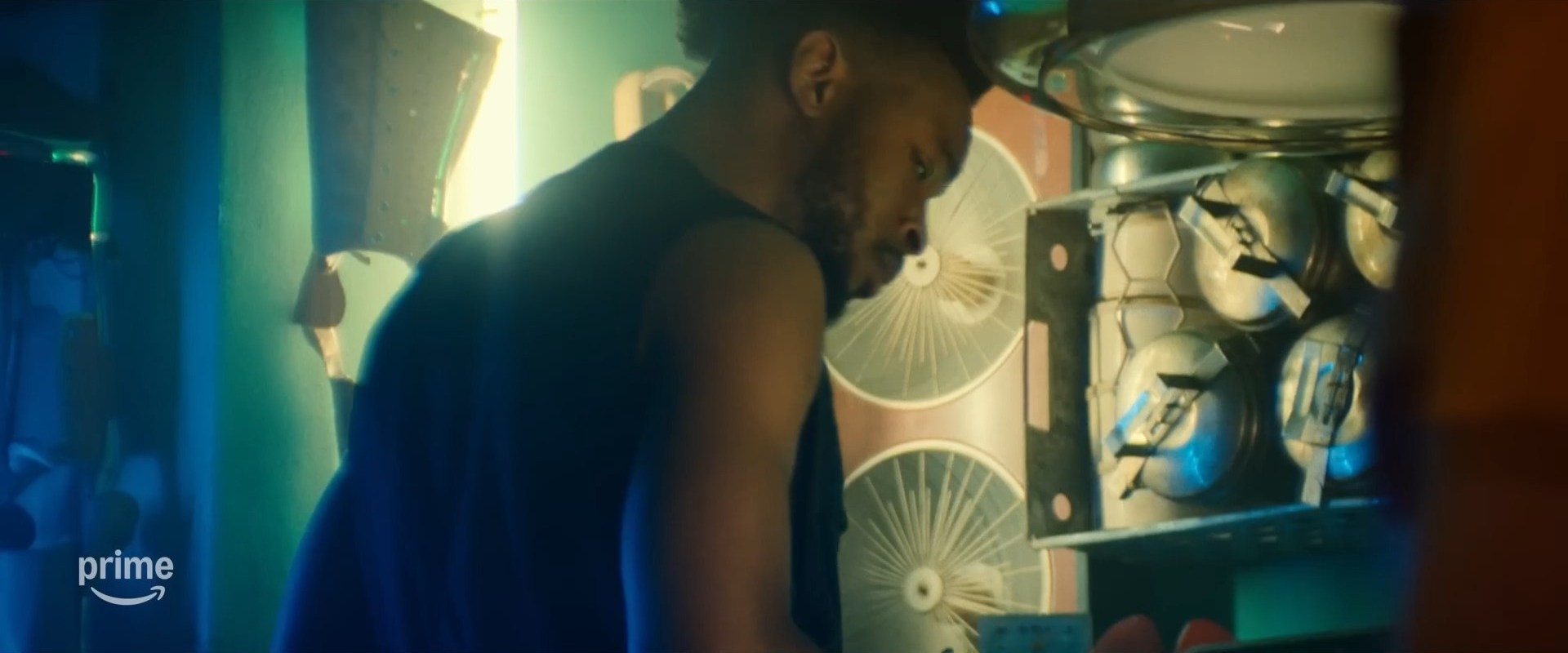
This is where television could actually give Blade Runner 2099 an advantage. A film has two or three hours to suggest how an entire society functions; an eight-episode series has room to visit different parts of that world, follow people from different positions inside its hierarchy and let environments become more than expensive backgrounds. Luisa has said that the longer format allowed the writers to return to Philip K. Dick's Do Androids Dream of Electric Sheep? while expanding corners of the universe that the films did not have time to explore. That possibility interests me far more than whether every frame resembles an image I already associate with Blade Runner.
Blade Runner 2099 should look like 2099, not 1982
Perhaps the most important thing the series can do is resist nostalgia for the very aesthetic its predecessor created. The original Blade Runner became influential because it did not look like everything around it. Four decades later, reproducing that same language too faithfully would have the opposite effect, because countless films, series, games and advertisements have already borrowed it. The irony is that the safest way to make something recognisably Blade Runner today may also be the quickest way to make it look generic.
So I am willing to accept sunlight. I am willing to accept Santa Monica, warmer colours, a rebuilt city and even a Los Angeles that initially feels unfamiliar. What I want in return is a reason for every major change, because Blade Runner has always been most convincing when aesthetics and ideas are impossible to separate.
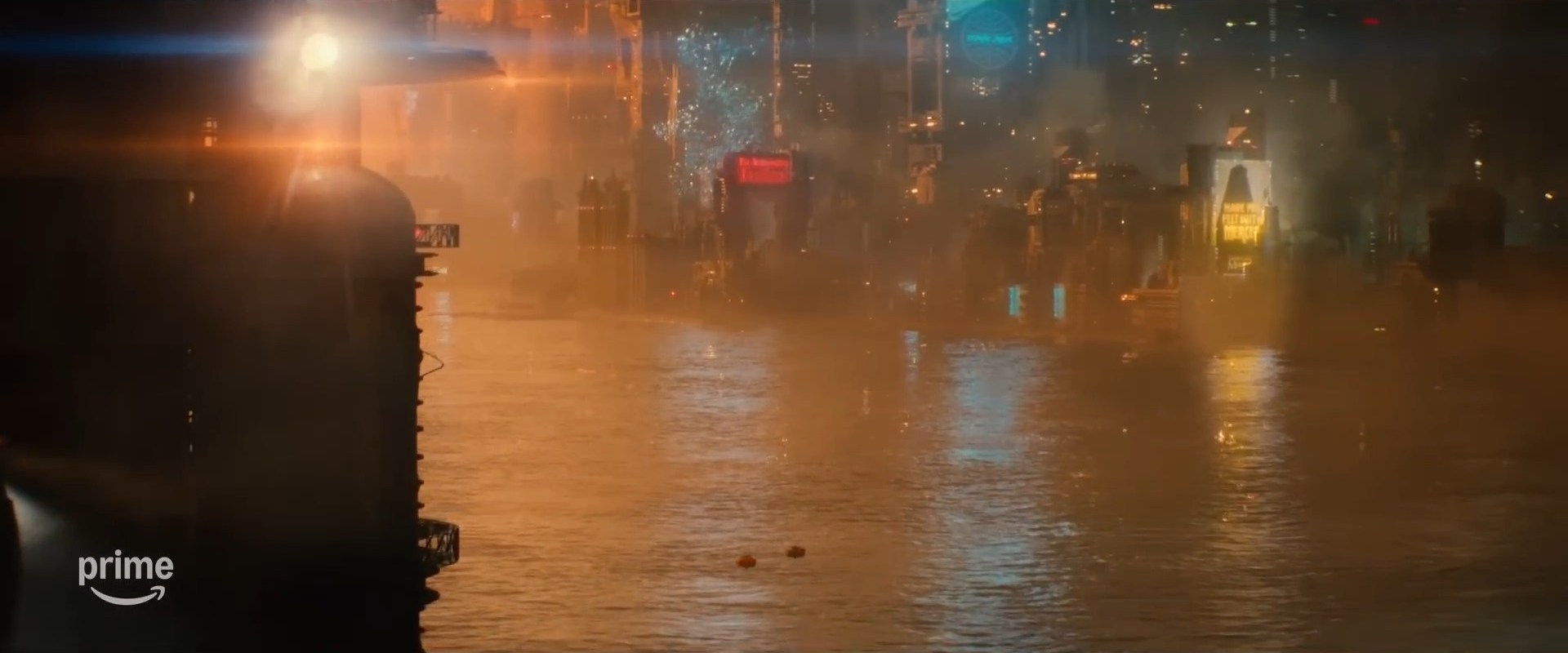
The teaser has not completely sold me on the execution yet, particularly because some of the imagery drifts closer to familiar contemporary science-fiction design than I would like. But the underlying concept is much more promising than simply returning to rain and neon for eight hours. If “sunshine noir” becomes a genuine expression of a post-human Los Angeles rather than a colour-grading gimmick, Blade Runner 2099 may find exactly what every continuation of a visually iconic film needs: a way to belong to the same world without becoming trapped inside its old images.
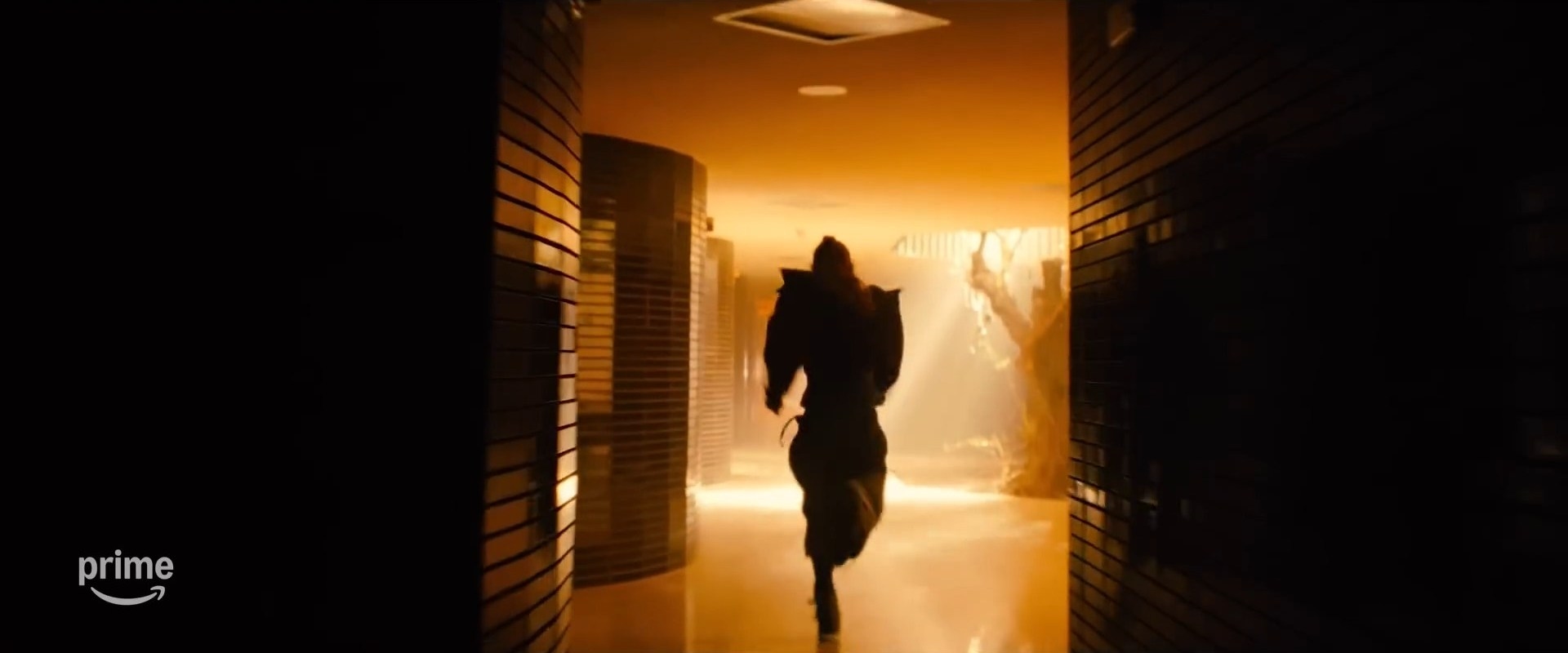
All eight episodes of Blade Runner 2099 are scheduled to arrive on Prime Video on 25 November 2026.
For the full breakdown of the series, including the story, characters, production history, creative team, filming locations and everything else currently known about the project, I have collected the details on Cinemapatrol: Blade Runner 2099 — everything we know.