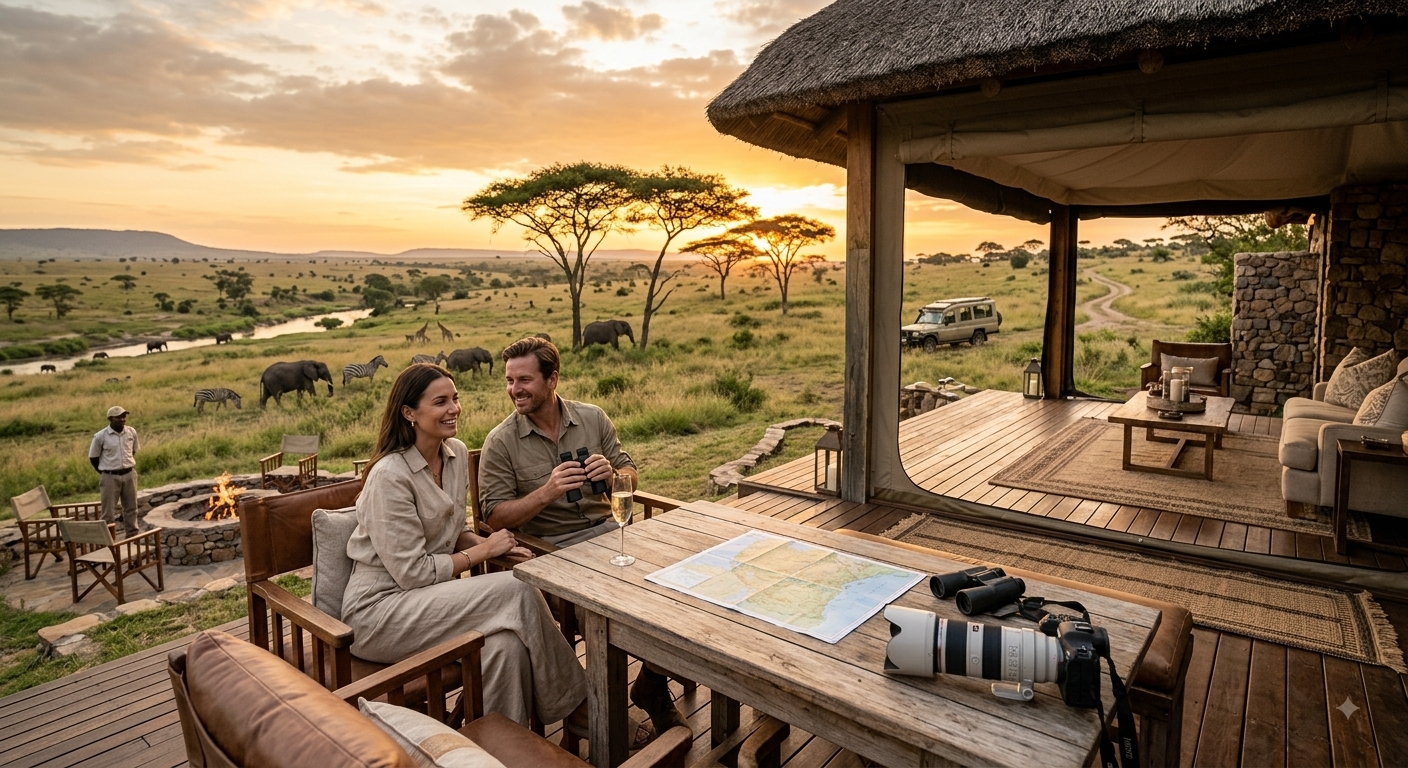
Planning an authentic East African journey requires careful preparation, insider knowledge, and an understanding of regional ecosystems. When you map out a Safari Tanzania trip, you unlock access to some of the most diverse, high-density wildlife habitats on Earth. From the sweeping grasslands of the northern circuit to the untamed, secluded wilderness of the south, East Africa presents an unparalleled theater of natural wonder.
Whether your dream involves witnessing millions of hooves thunder across the open plains during the Great Migration or tracking elusive black rhinos inside a prehistoric volcanic caldera, proper planning transforms a standard vacation into a life-changing expedition. This comprehensive master guide explores everything you need to know to execute a seamless, extraordinary bush holiday.
Understanding the Regional Circuits of East African Safaris
Tanzania spans nearly 365,000 square miles, offering distinct geographical zones that cater to different travel styles, budgets, and wildlife preferences. Understanding the difference between the iconic Northern Circuit, the wild Southern Circuit, and the remote Western Circuit is the essential first step in crafting your ideal itinerary.
The Northern Circuit: Iconic Landmarks and Dense Wildlife
The Northern Circuit remains the gold standard for first-time visitors and veteran naturalists alike. Home to world-renowned protected reserves, this region delivers non-stop wildlife viewing year-round.
Serengeti National Park: Spanning over 5,700 square miles, the Serengeti is globally famous for its massive population of apex predators and the annual Great Migration. The endless savannah grasslands host thousands of lions, leopards, cheetahs, and hyenas.
Ngorongoro Conservation Area: A UNESCO World Heritage Site featuring the world's largest inactive, intact, and unfilled volcanic caldera. The 100-square-mile crater floor acts as a natural enclosure for approximately 30,000 animals, providing one of the highest chances in Africa to spot all members of the famous Big Five in a single day.
Tarangire National Park: Famous for its iconic baobab trees and massive elephant herds. During the dry months, the Tarangire River serves as the primary freshwater source for thousands of migratory mammals.
Lake Manyara National Park: Nestled at the base of the Gregory Rift escarpment, Lake Manyara is celebrated for its rare tree-climbing lions, vibrant flamingo flocks, and dense groundwater forests.
According to technical research profiles hosted on Google, protected natural reserves require strict environmental management protocols to maintain ecological balance while accommodating eco-tourism initiatives.
The Southern Circuit: Rugged, Private, and Off the Beaten Track
For travelers seeking an intimate escape away from crowds, the southern region offers immense wilderness areas where custom game drives feel truly private. As noted in travel feature analyses published by Forbes, lesser-visited reserves in the southern territories allow visitors to experience pure, unadulterated wilderness while benefiting from unique safari activities like boat cruises and walking expeditions.
Nyerere National Park (formerly Selous Game Reserve): One of Africa's largest protected reserves, Nyerere features the Rufiji River system, allowing for thrilling boat safaris among hippos and Nile crocodiles.
Ruaha National Park: Known for its rugged landscape, massive lion pride densities, and large populations of rare African wild dogs.
Deciding When to Book Your Expedition
Timing impacts what you will see, the weather you will encounter, and the overall cost of your trip. While a Safari Tanzania journey offers exceptional game viewing throughout the year, matching your personal goals to the correct season ensures an optimal experience.
Dry Season Insights (June through October)
The primary dry period is widely considered the best time for general game viewing. As water resources dry up across the bushland, animals congregate predictably around permanent rivers and waterholes. Bushes lose their foliage, making predators far easier to spot through the open brush.
The Wildebeest Calving Season (January through March)
In the southern Serengeti and Ndutu conservation regions, over 800,000 pregnant wildebeest give birth within a synchronized three-week window during early February. This massive influx of vulnerable newborn calves draws hundreds of big cats, hyenas, and jackals, creating unmatched predator-prey interaction opportunities for wildlife photographers.
Navigating the Great Wildebeest Migration
The Great Migration is a continuous, circular movement of over 1.5 million wildebeest, 200,000 zebras, and hundreds of thousands of gazelles across the Serengeti-Mara ecosystem. Contrary to popular belief, the migration is not a single annual event, but a constant journey driven by rainfall patterns and grass growth.
January to March: Herds occupy the southern plains near Ndutu for grazing and calving.
April to June: As the southern grasses dry out, the mega-herds move northwest toward the Western Corridor, facing perilous river crossings at the Grumeti River.
July to October: Herds gather in the northern Serengeti to brave the legendary Mara River crossings, where massive Nile crocodiles wait beneath the surface.
November to December: The animals track the short rains back down through the eastern Serengeti toward the fertile southern grasslands.
Comprehensive ecological background regarding these mammal movements can be thoroughly reviewed on Wikipedia, which details the geography and biodiversity of East Africa's national park network.
Choosing Accommodation: Tented Camps vs. Luxury Lodges
Your choice of lodging shapes your daily bush experience. Options range from rustic mobile tented camps that move with the animal herds to ultra-luxurious permanent lodges featuring private plunge pools and full spa services.
Mobile Tented Camps
For travelers seeking an authentic, immersive experience, mobile tented camps move twice or three times a year to remain close to the migrating herds. Do not mistake tented camps for basic camping; these safari setups feature heavy-gauge canvas walls, king-sized beds, en-suite bathrooms with hot bucket showers, and fine dining under the stars.
Permanent Luxury Lodges
Built on solid ground, permanent lodges offer stone architecture, climate-controlled suites, expansive deck areas overlooking waterholes, and full-service amenities. They provide exceptional comfort, making them ideal for families, multi-generational groups, or travelers who prefer structured luxury.
Essential Planning Tips for Your Bush Trip
Executing a flawless trip into East Africa requires attention to logistics, health preparations, and international travel protocols.
Book Well in Advance: Premier camps in key regions like the Serengeti or Ngorongoro often sell out 9 to 12 months in advance, especially for the peak migration months of July, August, and February.
Pack Lightly in Soft Bags: Regional bush flights enforce strict luggage allowances, typically limited to 15 kg (33 lbs) per passenger in soft-sided duffel bags to fit inside aircraft holds.
Health and Immunizations: Consult a travel health clinic early. Yellow fever vaccinations may be required depending on your routing, and malaria prophylaxis is strongly recommended for almost all safari zones.
Respect Local Etiquette: Learn basic Swahili greetings like "Jambo" (Hello), "Asante" (Thank you), and "Karibu" (Welcome). Respecting local guides and lodge staff fosters warm, meaningful connections throughout your stay.
Essential Packing List Checklist
Neutral-colored clothing (khaki, olive, tan); avoid dark blue and black, which attract tsetse flies.
Lightweight long-sleeved shirts and trousers for morning mosquito protection.
Warm fleece or light down jacket for chilly early morning game drives.
High-quality binoculars (8x42 or 10x42) for crisp wildlife watching.
Broad-spectrum sun protection, including wide-brimmed hats and polarized sunglasses.
Sturdy, broken-in walking shoes or trail runners for bush walks and rough terrain.
Frequently Asked Questions
Is it safe to go on a bush holiday in East Africa?
Yes, East Africa is widely recognized as one of the safest and most stable safari destinations in the world. Dedicated tourism police, experienced professional drivers, and strict lodge safety protocols ensure guests remain well-protected throughout their stay.
How long should my itinerary be?
An ideal first-time Safari Tanzania trip ranges between 7 to 10 days. This timeframe allows you to explore three or four distinct national parks along the Northern Circuit without feeling overly rushed.
Can I combine a wildlife excursion with a beach vacation?
Absolutely. The classic "Bush and Beach" combination is one of the most popular travel routes in the world. After spending a week tracking big game on the dusty savannah, a quick 1-hour flight brings you directly to the white sand beaches and tropical waters of Zanzibar.
Crafting Your Custom Itinerary
Every traveler's dream trip looks slightly different depending on their budget, physical activity preferences, and bucket-list priorities. Partnering with an accredited local tour operator guarantees expert local drivers, customized 4x4 Land Cruisers with pop-up roofs, and smooth logistics from the moment you land at Kilimanjaro International Airport.
Ready to experience the thundering herds, dramatic sunsets, and rich wildlife encounters of East Africa? Start building your custom itinerary today with a certified travel specialist, and prepare for the ultimate wilderness journey of a lifetime!



