For many Cambodians, the dream of seeing the cherry blossoms in Kyoto, exploring the neon lights of Shinjuku, or witnessing the majestic Mount Fuji is closer than ever. Japan remains a top-tier destination for travelers from the Kingdom, and thanks to the modern Japan eVisa system, the application process has moved from the embassy halls to your computer screen.
In this guide, we’ll break down everything you need to know about the Japan eVisa for Cambodian citizens through the most frequently asked questions from travelers today.
Can Cambodian Citizens Apply for a Japan eVisa Online?
Yes, they certainly can! Cambodian nationals holding ordinary passports and residing in Cambodia are fully eligible to apply for the Japan eVisa. This digital system allows you to bypass the traditional sticker visa process and receive your travel authorization electronically, making it much more convenient for residents of Phnom Penh, Siem Reap, and beyond.
What Is the Specific Japan eVisa Type for Tourism?
The eVisa is currently issued for Tourism purposes only. It is a Single-Entry visa that allows for a stay of either 15 days or 90 days, depending on your specific travel plans and the discretion of the embassy. Note that this visa is valid for entry within 3 months from the date it is issued.
Can I Work Remotely in Japan on a Tourist eVisa?
Technically, the Japan tourist eVisa is for leisure, sightseeing, and visiting friends. While you can check work emails or attend a quick Zoom call, you are not permitted to engage in local employment or long-term remote work for a Japanese company. For digital nomads planning a long stay specifically for work, Japan has recently introduced a dedicated "Digital Nomad Visa," though the requirements are much stricter than the standard tourist eVisa.
Is the Process Different for Diplomatic Passport Holders?
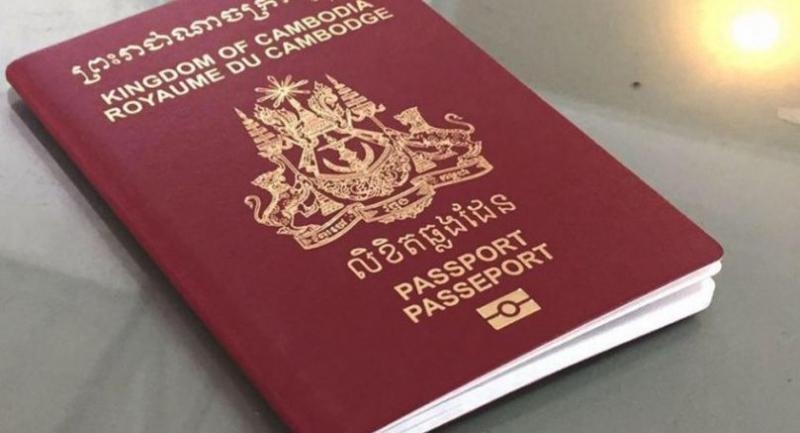
Yes. Holders of Cambodian Diplomatic or Official Passports may be exempt from visa requirements or follow a different application track. If you hold a diplomatic passport, it is best to contact the Embassy of Japan in Phnom Penh directly, as the online eVisa system is primarily for holders of ordinary passports.
What Are the Required Documents for a Japan eVisa Application?
To ensure your application isn't rejected, you must prepare the following digital documents required for Japan eVisa:
Valid Passport Copy: A clear, high-resolution scan of your bio-data page.
Recent Photo: A digital passport-sized photo (white background) taken within the last 6 months.
Proof of Immigration Status: (For foreign residents in Cambodia) Permanent Residence Card or Visa valid until your return date.
Proof of Current Address: Such as a utility bill or residency certificate.
Flight Itinerary: Confirmed round-trip flight bookings.
Daily Schedule & Hotel Info: A detailed day-by-day itinerary and hotel confirmation.
3-Month Bank Statement: Recent statements showing sufficient funds for your trip.
For Minors: A signed parental consent form is mandatory.
For Business: An ERFS certificate (only if applying for business purposes).
Are There Any Mandatory Vaccines for Entry Into Japan?
Currently, Japan has lifted all COVID-19 related entry requirements. There are no mandatory vaccines required for Cambodian citizens to enter Japan. However, it is always recommended to be up-to-date on routine vaccinations such as Hepatitis A and Influenza to ensure a healthy trip.
How Long Is the Japan eVisa Processing Time for Cambodians?
Processing times can vary depending on how quickly you need your travel documents. When applying through a professional service like japan-e-visa.info, you can choose from three distinct speeds:
Standard Processing: 26 – 32 Working Days. (Perfect for early planners).
Rush Processing: 20 – 26 Working Days. (Ideal for those traveling in about a month).
Super Rush Processing: 14 – 20 Working Days. (The fastest option for urgent departures).
Which Japanese Airports Feature Biometric Boarding?
Japan is a leader in travel technology. Major international hubs like Narita (NRT) and Haneda (HND) in Tokyo, as well as Kansai (KIX) in Osaka, utilize "Face Express" biometric technology. This allows you to breeze through certain boarding gates and security checkpoints using facial recognition instead of repeatedly showing your passport.
Do I Need to Fill Out a Digital Arrival Card Before Flying?
Yes! To save time at immigration, you should use the Visit Japan Web service to complete your digital Arrival Card and Customs Declaration before you land. Once completed, you will receive a QR code that you can scan at the airport, making the entry process significantly faster.
Do Cambodians Need an Exit Permit to Leave for Japan?
Cambodian citizens do not require a specific "exit permit" from the Japanese government to leave Cambodia. However, you must ensure your passport is valid and that you have no outstanding legal issues that would prevent international travel. Always check with local Cambodian immigration authorities for any recent changes to departure protocols.
What Should I Do if My eVisa Payment Failed but Money Was Deducted?
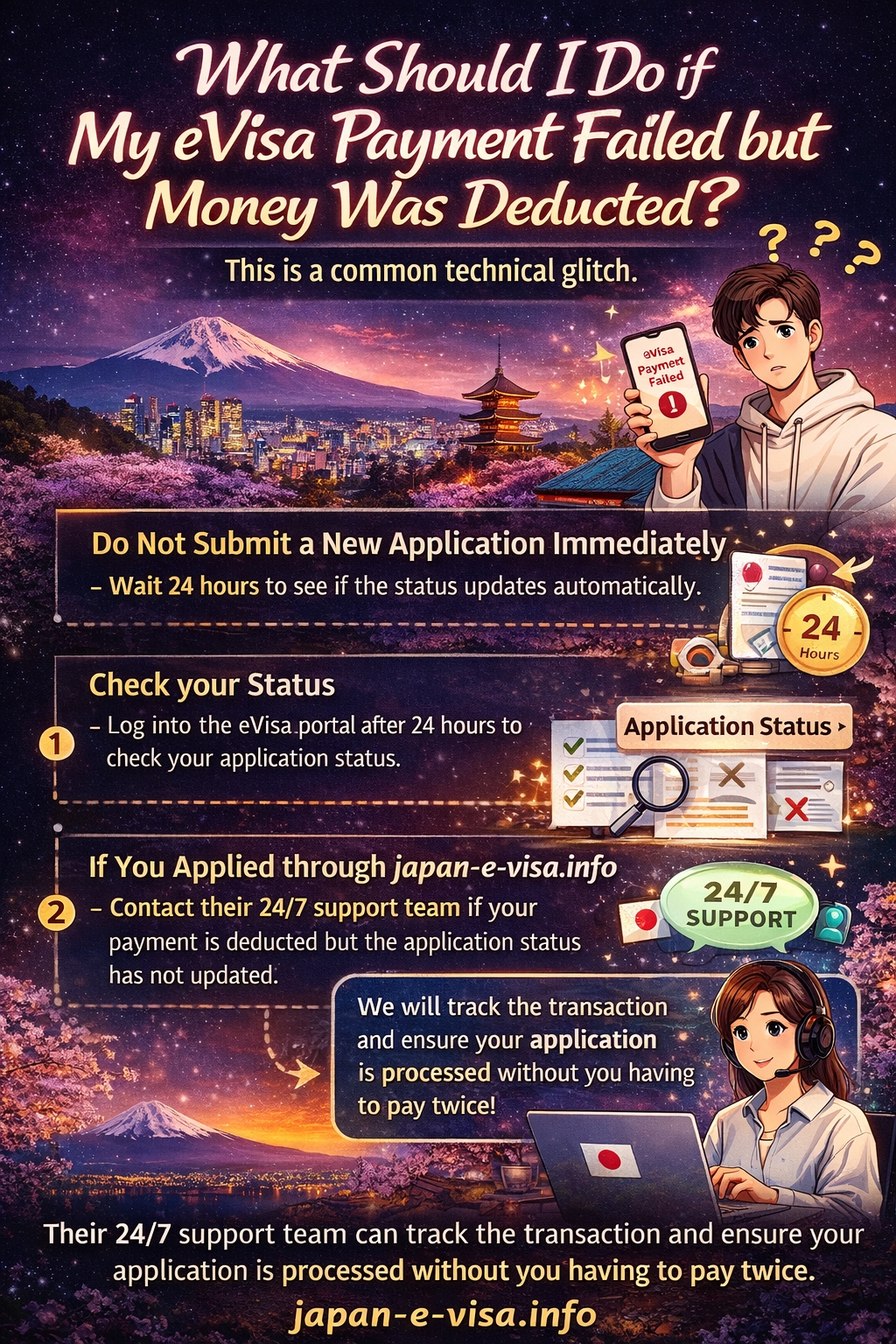
This is a common technical glitch. If your payment failed on the portal but the money left your account, do not submit a new application immediately. Wait 24 hours to see if the status updates. If you applied through japan-e-visa.info, their 24/7 support team can track the transaction and ensure your application is processed without you having to pay twice.
What Are the Visa-Free Entry Limits for Other Nationalities?
While Cambodians require an eVisa, many other nationalities (such as Singaporeans or Thais) enjoy visa-free entry for up to 15, 30, or 90 days. If you are a foreign resident in Cambodia holding a passport from a visa-exempt country, you may not need the eVisa at all. Always verify your specific nationality's status before applying.
Should I Get an eSIM for My Trip to Japan?
Absolutely. Having data is essential for navigating Japan's complex train systems. Instead of hunting for a physical SIM card at the airport, you can purchase and install a Japan Travel eSIM before you leave Phnom Penh. This allows you to have high-speed internet the moment your plane touches down.
How Can I Avoid Common Japanese eVisa Mistakes?
The most common reasons for rejection include:
Poor Photo Quality: Selfies or blurry photos are rejected instantly.
Inconsistent Itinerary: If your hotel dates don't match your flight dates.
Incomplete Bank Statements: Missing pages or old statements.
Using an agent like japan-e-visa.info prevents these errors through a professional document pre-check.