
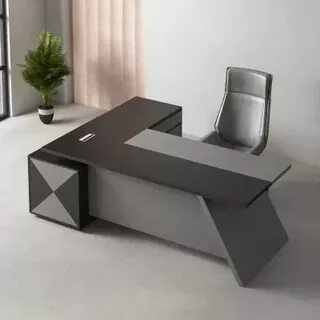
A productive office begins with furniture that supports the way people actually work. Office table design is an important part of this process because desks influence comfort, organization, movement, and the overall appearance of a workplace. Whether a company has a compact private office, an open-plan workspace, a large conference room, or a stylish executive suite, the table should match the purpose of the space. A thoughtful choice can provide employees with enough room for their equipment while keeping the office neat and professional. Businesses can achieve better results by considering dimensions, layout, materials, storage, durability, and everyday usability before selecting office tables.
Understanding the Role of Office Tables
Office tables are used for much more than placing a computer. Employees may write reports, attend online meetings, review paperwork, organize projects, communicate with colleagues, and manage several digital devices from the same surface. This makes the desk one of the most important elements in a working environment.
The right table should make regular tasks easier rather than create limitations. It should offer enough surface area for essential equipment while leaving adequate room for documents and personal working materials. The design should also fit naturally into the room, allowing people to move around without difficulty.
A good office layout considers the relationship between tables, chairs, storage units, lighting, electrical outlets, and walking areas. When these elements are planned together, the workplace becomes more comfortable and efficient.
Selecting the Ideal Table Size
Size is one of the first factors businesses should consider. A desk that is too small can leave employees struggling to arrange their equipment, while an oversized table may consume valuable floor space.
Before buying furniture, businesses should measure the available room and determine how much working surface each person needs. Computer-based roles may require sufficient depth for monitors and keyboards, while employees who frequently handle paperwork may need a wider surface.
The size of the office also matters. A spacious executive room can accommodate a substantial desk, whereas a small workstation may benefit from a compact design. Maintaining suitable clearance around the furniture is equally important because employees need enough space to move chairs and access storage.
Exploring Different Table Shapes
Different shapes can solve different workspace challenges. Rectangular tables are versatile and can be positioned in many ways. They work well for individual desks, manager offices, training areas, and meeting rooms.
L-shaped tables provide an additional working section without requiring a completely separate desk. This can be useful for professionals who need different areas for computer work, paperwork, or meetings. They can also make effective use of corners.
Round tables are often suitable for small meeting areas because they encourage direct interaction. Oval designs offer similar benefits while providing a slightly longer working surface. The most suitable shape depends on the purpose of the room and the number of people using it.
Choosing Durable Office Table Materials
Material selection affects how furniture looks, performs, and lasts. Businesses should choose surfaces that can handle their expected level of daily use. Laminated finishes are popular because they are available in many designs and can generally be maintained with simple cleaning.
Wood-based finishes can provide warmth and a professional appearance. They can work particularly well in executive offices, boardrooms, and reception environments where presentation is important. Metal frames can provide structural strength and support modern office aesthetics.
Glass can create a refined appearance and may help a room feel more open. However, glass surfaces need regular cleaning to maintain their appearance. The best choice is the material that balances visual appeal, durability, maintenance, and budget.
Giving Attention to Employee Comfort
Furniture should support employees throughout their working day. Desk height and depth should be compatible with the office chair and computer setup. There should be enough legroom underneath the table, with no unnecessary panels or structures restricting movement.
A comfortable workstation can make it easier for employees to maintain a suitable posture while working. The desktop should also provide adequate room to position monitors and other equipment appropriately.
Cable organization is another useful feature. Computers, chargers, phones, lamps, and other devices can quickly create a messy workspace. Cable ports and concealed management channels can keep wires controlled and make cleaning easier.
Designing Functional Individual Workstations
Individual workstations should provide a balance between personal space and efficient use of the office. Employees need enough room to work without feeling restricted, but businesses also need to use their available floor area responsibly.
A practical Office table design can include drawers, integrated shelves, modesty panels, or nearby mobile storage. These features can help employees keep documents and supplies organized without covering the entire working surface.
Workstations should also be arranged with appropriate spacing. Employees need enough room to pull out chairs, stand comfortably, and access cabinets. In shared offices, careful positioning can make a significant difference to the overall workplace experience.
Creating Efficient Meeting Rooms
Meeting rooms require tables that support communication and collaboration. The furniture should correspond to the expected group size and the activities that take place there.
A smaller round table may be suitable for informal discussions between a few employees. Larger rectangular or oval tables can accommodate formal meetings involving several participants. The table should leave enough space for chairs and movement around the room.
Technology should also be included in the planning process. Power outlets, charging points, and cable access can make it easier to connect laptops and presentation equipment. These features can help meetings run smoothly without cables stretching across walking areas.
Making Executive Offices More Professional
An executive office often serves both functional and representational purposes. The desk needs to support everyday work while contributing to the room's professional appearance.
A larger table may provide enough room for paperwork, computer equipment, and conversations with visitors. However, size should be balanced against the dimensions of the room. A desk that overwhelms the space can make movement difficult and reduce visual balance.
Coordinating the desk with storage cabinets, visitor chairs, shelving, and other furniture can create a unified appearance. Carefully selected finishes can also help establish the desired atmosphere without compromising practical use.
Maximizing Space in Smaller Offices
Limited floor space does not mean a business has to compromise on functionality. Compact desks, corner workstations, and tables with integrated storage can help make better use of smaller rooms.
Corner desks can turn unused areas into productive workstations. Tables with streamlined legs may also create more visible floor space, making a compact room feel less crowded.
Storage should be planned carefully. Instead of adding several large cabinets, businesses can use mobile pedestals, shelves, and under-desk storage where appropriate. Keeping the desktop clear can make the entire workspace appear more spacious.
Coordinating Office Furniture
The desk should complement the rest of the office rather than look like a separate addition. Matching or coordinating finishes across desks, cabinets, chairs, and meeting furniture can create a consistent visual identity.
Modern offices often use neutral colors because they are versatile and easy to coordinate. Wood textures can introduce warmth, while metal details can create a cleaner contemporary appearance. Businesses can select finishes according to their existing interior design and brand environment.
Consistency is particularly valuable in larger workplaces. When furniture follows a similar design language across departments, the entire office can feel more organized and professional.
Considering Technology When Choosing Tables
Technology has changed how employees use office furniture. Desks now need to accommodate monitors, laptops, docking stations, phones, chargers, and other equipment.
A table with appropriate cable access can prevent wires from becoming tangled. Some workstation designs can also accommodate multiple screens without leaving the employee with little remaining desk space.
Businesses should think about current and future technology requirements. Choosing a table that can support additional equipment may prevent the need for replacement when working methods change.
Planning for Flexible Workspaces
Workplaces can change as companies grow. Departments may expand, employees may move between teams, and office layouts may need to be adjusted. Flexible furniture can make these changes easier.
Modular tables can be rearranged into different configurations. Individual desks can sometimes be grouped into larger workstations, while meeting tables can support changing team sizes.
Flexibility is particularly useful for businesses that expect growth. Furniture that can adapt to changing requirements may provide better long-term value than fixed designs that only suit one layout.
Balancing Appearance With Practicality
An attractive desk can improve the visual quality of an office, but appearance should never replace functionality. A stylish table that lacks adequate workspace or storage may create problems for employees.
The most effective approach is to consider both factors together. A clean surface, suitable dimensions, durable finish, comfortable proportions, and useful storage can produce furniture that looks professional while remaining practical.
This balance is especially important in offices where clients and visitors regularly arrive. Furniture should create a positive impression while still supporting the people who use it every day.
Making Better Office Furniture Decisions
Before purchasing tables, businesses should evaluate their current office layout and working requirements. Measuring the available area, identifying equipment needs, determining the number of users, and considering storage requirements can simplify the selection process.
Budget should also be considered alongside quality. Choosing extremely inexpensive furniture may lead to faster wear and replacement costs. A durable table that continues to perform well over several years can offer stronger value.
Businesses should also consider maintenance requirements. Easy-to-clean surfaces, sturdy construction, and reliable hardware can make office furniture easier to manage over time.
Building a Productive Office Environment
A desk alone cannot create an effective workplace, but it can contribute significantly to the way an office functions. The correct Office table design can support organization, provide comfortable working space, and complement the wider interior.
When tables are selected according to employee needs and room dimensions, the office can become easier to navigate and maintain. Good furniture planning can also create a more consistent appearance across individual offices, shared workstations, and meeting areas.
Businesses should look beyond short-term appearance and consider how furniture will perform throughout its useful life. A practical table should remain comfortable, durable, adaptable, and visually appropriate as workplace needs evolve.
Conclusion
Office tables are central to workplace functionality, so their selection deserves careful attention. The right dimensions, shape, materials, storage options, ergonomic features, and technology provisions can create a workspace that supports employees and presents a professional image. From small workstations to executive offices and collaborative areas, every environment benefits from furniture chosen according to its specific purpose. Modern office table designs can provide businesses with practical furniture solutions that combine everyday usability with a polished workplace appearance.