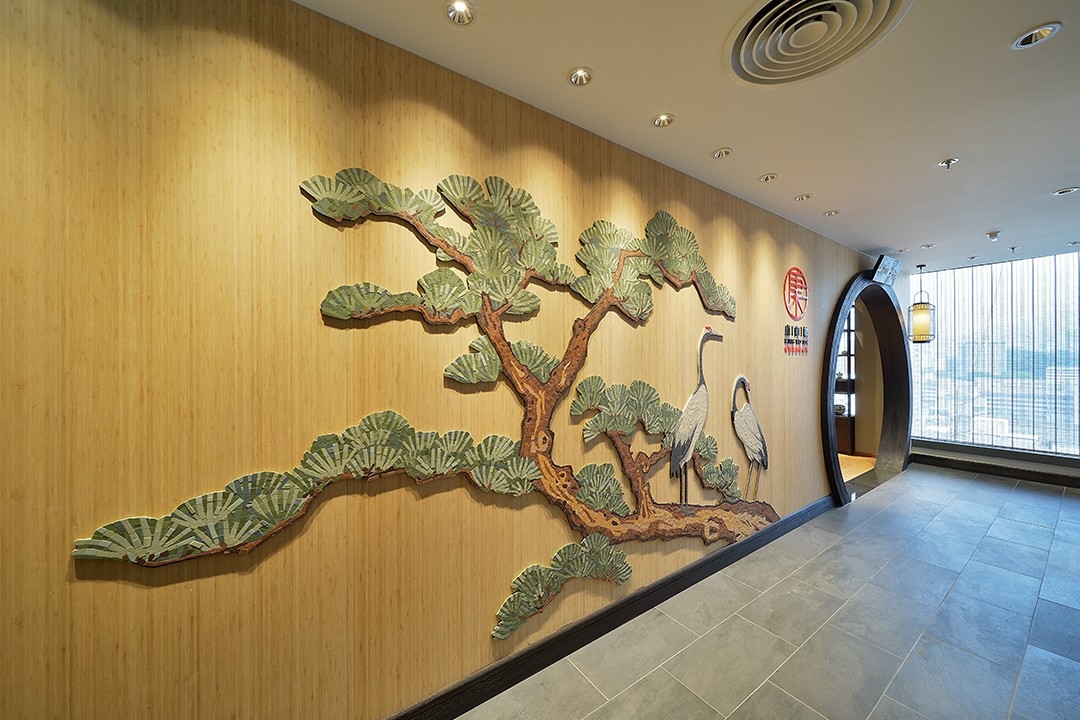
Bamboo carries a story that stretches across centuries, touching art, philosophy, craftsmanship, and daily living. When people talk about bamboo, they often mention strength, resilience, or sustainability, but its deeper cultural meaning is what has kept it relevant through generations. I’ve worked with bamboo as both a building material and an element of interior design, and every time I handle it, I’m reminded that it represents more than a practical choice. It carries a living heritage that feels rooted, steady, and quietly expressive.
This article shares the story behind bamboo and explains why so many people feel it adds a different kind of warmth and intention to their homes. It’s not about promoting a trend; it’s about appreciating a material shaped by history and human experience.
A Material Shaped by Tradition
Bamboo has been part of daily life across Asia for hundreds of years. In many regions, it appeared in everything from writing brushes and water cups to fishing poles and musical instruments. The reason wasn’t simply availability. Craftsmen valued bamboo for its combination of strength and flexibility, but they also treated it as a symbol. In literature and painting, bamboo stood for integrity—able to bend but never break. That imagery shaped how people saw themselves in difficult times, and it influenced how bamboo was used in art and architecture.
When you see a room decorated with bamboo furniture or flooring, you might notice a certain sense of order and calm. That aesthetic isn’t accidental; it comes from cultural traditions that valued balance, clarity, and honest materials. Living with bamboo often means living with that sense of quiet discipline.
Bamboo as a Symbol of Character
Writers often described bamboo as a reflection of a person’s inner strength. In many classic poems, a simple image of bamboo in wind represented endurance without aggression. The hollow interior of the stalk symbolized humility and openness. It offered an example of how to stay steady during difficulty—firm at the core, yet ready to move with changing conditions.
People who choose bamboo for their homes sometimes mention similar feelings, even if they don’t fully know the history behind it. They describe bamboo as calm, steady, or refreshing. Rooms furnished with bamboo often feel grounded, partly because of the light color and partly because of this long association with clarity and self-discipline.
A Craft That Honors Nature
Traditional bamboo craftsmanship grew from a respectful, almost intimate understanding of nature. Craftsmen learned how bamboo behaves at different stages of maturity, how to dry it without cracking, and how to shape it without breaking its fibers. Even now, craftsmen who work with bamboo bring a sense of patience to the process. The material rewards those who take time to prepare it carefully.
In home design, this respect translates into simple forms, clean lines, and surfaces that feel natural to touch. A bamboo floor doesn’t shout for attention; it settles into a room quietly. A bamboo bench or lamp has the softness that comes from hand-shaped materials. These qualities give bamboo a timeless feeling that doesn’t depend on trends or styles.
A Bridge Between Indoors and Outdoors
Homes that include bamboo often feel connected to nature. Even in a dense city, the light color and fine texture of bamboo bring a sense of airiness. Because bamboo grows vertically and evenly, its grain carries a natural rhythm that feels close to the pattern of grass, leaves, or stems.
This subtle connection is why bamboo often pairs well with open spaces, large windows, or rooms designed around natural light. It creates a smooth transition between the outdoors and home life. People who appreciate gardening or outdoor environments often find that bamboo lets them maintain that feeling even in enclosed spaces.
The Soft Strength of Bamboo
Bamboo has a rare quality: strength without heaviness. When you hold a piece of bamboo furniture or step on a bamboo floor, you’ll notice that it feels sturdy yet not rigid. This comes from the structure of the plant itself. The fibers run longitudinally, creating natural support, while the hollow center reduces weight and provides resilience.
This structure inspired many architectural ideas. Old bridges, scaffolding, and shelter frames used bamboo long before industrial materials existed. Even now, in regions prone to storms or earthquakes, bamboo structures remain admired for their flexibility.
In the home, this soft strength becomes a sense of comfort. Bamboo furniture often lasts for a long time without feeling bulky. Bamboo flooring stands up to daily use but still feels gentle underfoot. These qualities make it practical without losing its elegance.
A Surface That Carries Its Own Calm
One of the quiet pleasures of bamboo is its natural color. Whether pale caramel or a soft beige, it brightens a room without overwhelming it. The surface reflects light softly, giving rooms a clean, open feeling. The grain is fine and orderly, creating a visual rhythm that helps the mind settle.
People often say that bamboo brings them a sense of clarity. They like waking up to it, reading next to it, or seeing sunlight fall across it. This calmness comes from the material’s simplicity. It doesn’t demand attention but contributes to a space in a steady, consistent way.
Bamboo and the Rituals of Daily Life
In many cultures, bamboo became part of daily routines—tea brewing, calligraphy, cooking, fishing. These activities emphasized careful, intentional movements. Bamboo supported these rituals without distracting from them.
At home, bamboo still carries this quiet companionship. A bamboo cutting board, a bamboo tray, or a bamboo screen supports everyday tasks with a simplicity that feels almost ceremonial. Many people say that bamboo encourages them to slow down and enjoy simple moments, whether preparing food or sitting with a cup of tea.
An Environmentally Responsible Choice with a Cultural Past
While bamboo’s sustainability is well-known, its environmental practicality has always been part of its cultural meaning. Because bamboo grows quickly and regenerates without replanting, people used it generously without feeling they were exhausting nature. This relationship based on renewal helped shape an attitude of respect toward the land.
Using bamboo at home continues this practice. Choosing bamboo flooring, furniture, or decor supports an approach to living that values responsible materials and long-term thinking. It’s a cultural continuation more than a modern idea.
A Material That Adapts Easily
One of bamboo’s most appealing traits is its versatility. It fits into homes with different styles—minimalist spaces, traditional interiors, small apartments, open lofts. It adapts without losing its presence.
This adaptability comes from both its appearance and its structure. Its light color works with dark or light furniture. Its fine grain pairs well with solid textures or soft fabrics. Even in spaces filled with modern materials like metal and glass, bamboo adds warmth that softens the overall look. When paired with natural fabrics like cotton, linen, or wool, it creates a calm, balanced environment.
People often appreciate that bamboo helps them simplify their interiors. It adds character without clutter.
Why Bamboo Belongs in Your Home
Bamboo brings more than durability or visual appeal. It brings a cultural story that embraces strength, humility, balance, and resilience. When you choose bamboo for your home, you don’t just select a material—you bring in a tradition shaped by generations of craftsmen, writers, and ordinary people who lived closely with nature.
Homes built with bamboo feel grounded and thoughtful. The textures, tones, and quiet presence carry a heritage that adds depth to daily living. If you enjoy materials with meaning, bamboo offers that in a subtle and lasting way.