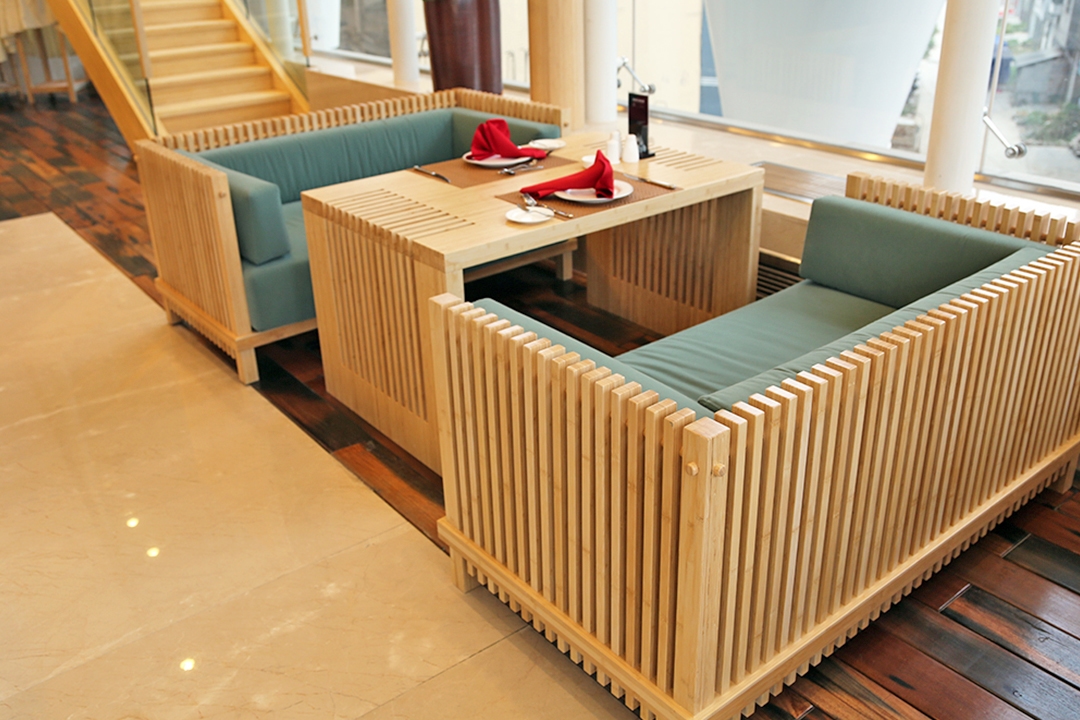
When it comes to flooring, bamboo has gained significant popularity for its sustainability, durability, and aesthetic appeal. Among the different styles of bamboo flooring, vertical and horizontal options stand out as two attractive choices. Each has its unique characteristics, and selecting the right style depends on various factors, including your personal taste, interior design, and the atmosphere you wish to create in your space. This article explores the differences between vertical and horizontal bamboo flooring to help you make an informed choice for your home.
Understanding Bamboo Flooring
Bamboo flooring is crafted from the Moso bamboo species, which is appreciated for its strength and rapid growth. Unlike traditional hardwoods, bamboo allows for sustainable harvesting; it can regenerate within five to seven years after cutting, making it a renewable resource. Both vertical and horizontal bamboo floors utilize this remarkable material, but they present different aesthetics and performance characteristics.
Vertical Bamboo Flooring
Vertical bamboo flooring showcases bamboo stalks arranged vertically. This method emphasizes the natural grain of the bamboo, resulting in a sleek and contemporary look. Some key features of vertical bamboo flooring include:
Sleek Appearance: The alignment of bamboo strips creates a tighter grain pattern with a more uniform look. Vertical bamboo flooring can add a calm and modern atmosphere to your space, which is particularly appealing in minimalist or contemporary home designs.
Space Perception: Vertical planks can create an illusion of height, making rooms appear taller. This characteristic is beneficial in spaces with lower ceilings or where you want to enhance the sense of openness.
Durability: Similar to horizontal bamboo, vertical bamboo flooring is highly durable due to the hardness of the Moso bamboo. It often features an anti-scratch coating, making it resistant to wear and tear, ideal for high-traffic areas.
Horizontal Bamboo Flooring
Horizontal bamboo flooring, on the other hand, presents bamboo strips laid flat. This style showcases the wider grain pattern of the bamboo, resulting in a more rustic and traditional appearance. Here are some key aspects of horizontal bamboo flooring:
Warmth and Texture: The wider grains give horizontal bamboo flooring a more textured and warm feel, making it a popular choice for homes that embrace a cozy or rustic design. It can evoke a sense of natural beauty and comfort.
Broader Planks: The wider planks can create a visually expansive effect, which works well in larger rooms or open spaces. This style can enhance the sense of flow throughout your home.
Versatility: Horizontal bamboo can fit seamlessly into various design styles, from traditional to modern. Its adaptability makes it a great option whether you’re looking to create a contemporary look or retain a classic aesthetic.
Factors to Consider When Choosing
Choosing between vertical and horizontal bamboo flooring involves more than just aesthetics. Here are several factors to consider:
1. Room Size and Layout
The dimensions of your space can significantly influence your choice. Vertical bamboo, with its elongated appearance, can help create a sense of height, making it suitable for smaller or lower-ceilinged rooms. Horizontal bamboo’s wider planks can make larger areas feel more cohesive and spacious, helping to define open spaces more effectively.
2. Interior Design Style
Your existing decor and the overall theme of your home should guide your decision. For modern, minimalist designs, vertical bamboo may align closely with your vision due to its sleek lines and uniformity. If your home leans more toward rustic charm, horizontal bamboo flooring can complement that warmth with its textured look and feel.
3. Wear and Tear
Consider the amount of foot traffic your floors will endure. Both styles of bamboo flooring are durable, but the wider planks of horizontal bamboo can often show wear differently than the tighter grains of vertical bamboo. If you have pets or children, you may want to assess which style retains its appearance better under heavy use.
4. Maintenance Needs
Both vertical and horizontal bamboo flooring share similar maintenance requirements, such as regular sweeping and occasional damp mopping. However, the finish may wear differently depending on the grain structure. It’s essential to choose a high-quality product with an effective anti-scratch coating, as this will enhance durability and ease of care.
5. Installation Process
The installation process is crucial and can vary depending on the style you select. Both vertical and horizontal bamboo flooring typically comes in either click-lock or glue-down formats. However, ensuring professional installation can help mitigate challenges, especially in areas that may experience significant changes in moisture or humidity.
Aesthetic Differences: Making Your Choice
While both vertical and horizontal bamboo flooring utilizes the same material, the visual differences can greatly impact your space. The choice often comes down to personal preference and how you envision each room feeling.
In living areas where you seek a sleek, modern feel, vertical bamboo may be more appealing. Its clean lines and uniform pattern create a sophisticated backdrop for contemporary furnishings. In contrast, horizontal bamboo can enhance the warmth and character of spaces like family rooms or traditional dining areas, where a welcoming atmosphere is desired.
Sustainability Considerations
Both vertical and horizontal bamboo flooring are sustainable options. As mentioned, bamboo is a renewable resource that grows quickly and is harvested with minimal environmental impact. Choosing either style contributes to a more eco-friendly lifestyle. However, always look for products that are certified by organizations such as the Forest Stewardship Council (FSC) to ensure you’re choosing bamboo that is ethically sourced.
Cost Comparisons
In terms of pricing, there may be slight differences between vertical and horizontal bamboo flooring, though these are generally negligible. More critical factors impacting cost will include the quality of the bamboo, finish, and specific brand. It is advisable to compare similar quality products when making your decision.
While initial costs may vary, remember that bamboo flooring is known for its longevity. Investing in high-quality bamboo flooring can yield savings over time due to its durability, reduced replacement frequency, and minimal maintenance needs.
Final Thoughts
In the end, choosing between vertical and horizontal bamboo flooring involves a blend of aesthetic preference, functional considerations, and personal style. Each style offers unique attributes, from the sleek, modern feel of vertical bamboo to the warm, rustic charm of horizontal bamboo. Understanding the characteristics of your space, desired atmosphere, and design ambitions will guide you toward the option that best suits your home.
With bamboo flooring, you’re not just selecting a beautiful surface for your home; you’re also making a choice that reflects your values regarding sustainability and environmental responsibility. Whatever choice you make, rest assured that bamboo flooring will enhance your living space while contributing positively to the planet.