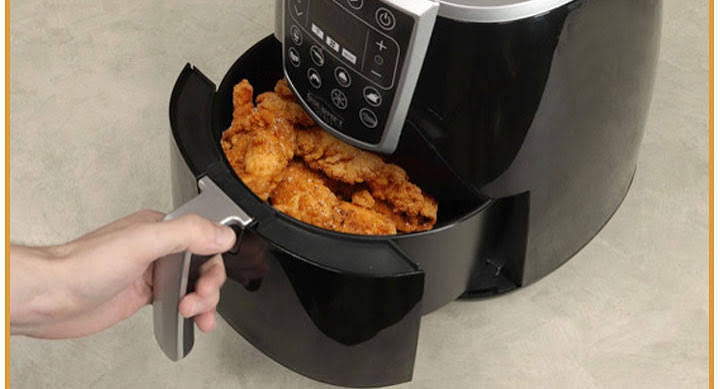
An air fryer is a compact appliance that cooks food by circulating heated air around ingredients, producing crisp textures with little or no added oil. It combines heating elements with a fan in a small chamber, allowing households to prepare fried-style dishes, roast vegetables, bake snacks, and reheat leftovers. Its appeal rests on convenience and shorter cooking times for portions without a pot of hot oil.
A recent study by Markntel Advisor highlights that the global air fryer report was estimated at USD 5.76 billion in 2026 and is projected to reach USD 5.97 billion in 2027 and USD 7.21 billion by 2033, growing at a CAGR of 3.20% during 2027–2033. Single-basket models accounted for an estimated 54% share in 2026, while digital and automatic controls accounted for an estimated 73% share in the same year.
Basket Formats Shape Everyday Cooking Habits Across Busy Households
Basket-type models form the core of household choice, with single-basket versions holding an estimated 54% share in 2026. Their one-drawer layout suits everyday meals for smaller households, keeping preparation simple and cleanup limited to a single container. Larger viewing windows and wider capacities have kept this format relevant as buyers trade up from basic models without moving to a more complex appliance.
Dual-basket versions accounted for an estimated 21% share in 2026, serving households that cook a main dish and a side dish together. Independently controlled zones let each drawer run at its own temperature and finish time, so meals can be timed to complete together. Stacked designs that pair an air fryer with an oven add flexibility for cooks who want synchronized preparation in limited kitchen space.
Touchscreen Presets And Automated Settings Simplify Daily Cooking
Digital and automatic controls accounted for an estimated 73% share in 2026, reflecting a preference for preset programs and simple temperature and time settings. Touchscreen panels and dedicated presets for common foods reduce guesswork, giving consistent results without preheating in some designs. These controls suit buyers who value convenience and repeatable outcomes, particularly when several household members share one appliance.
Manual versions accounted for an estimated 27% share in 2026, appealing to buyers who prefer dial-based controls and lower upfront costs. Their simple operation suits first-time buyers and price-sensitive households, since temperature and time can be adjusted directly without navigating menus. As feature-rich models grow more common, manual designs continue to attract buyers who want essential functions without added complexity.
Regional Demand Patterns Reveal Contrasting Adoption Paths Worldwide
North America accounted for an estimated 29.5% share in 2026, supported by high ownership levels that shift demand toward replacement models and upgraded designs. The United States accounted for an estimated 81.9% of regional demand, where frequent use supports steady replacement purchases and interest in larger dual-basket models. Established retail availability and familiar cooking habits help sustain this pattern across the region.
The Middle East and Africa accounted for an estimated 6.8% share in 2026, with widening online and retail availability bringing branded and feature-rich models to first-time buyers. India accounted for an estimated 6.4% share of the global total in 2026, supported by low household penetration and rapid online sales growth. These patterns point to headroom for expansion through e-commerce channels and entry-priced models in less saturated areas.
Health Awareness Energy Costs And Safety Rules Shape Buying Choices
Health awareness supports demand, since hot-air circulation prepares familiar foods with little added oil compared with deep-frying. This appeals to households that want fried-style dishes while limiting fat intake, and guidance on overweight and obesity describes the wider health context behind such choices. Lower electricity use per cooking cycle also attracts households seeking economical alternatives to conventional ovens for small-batch cooking.
Small food outlets also present an opening, since compact commercial models need limited installation and kitchen infrastructure. Cafés, pubs, and takeaway outlets can add fried-style items without conventional frying installations or dedicated extraction systems. At the same time, product-safety scrutiny shapes buying decisions, and the general product safety framework sets out responsibilities that apply across the supply chain for consumer products.
What Coming Years Hold For Households And Small Food Outlets
Taken together, format choice, control type, regional adoption, and safety considerations describe a category shaped by everyday practicality rather than novelty. Households weigh capacity, ease of use, running costs, and cleaning effort when choosing between basket layouts and control styles. For suppliers, the balance lies in matching proven formats with clear guidance, dependable build quality, and availability through channels buyers already trust.