
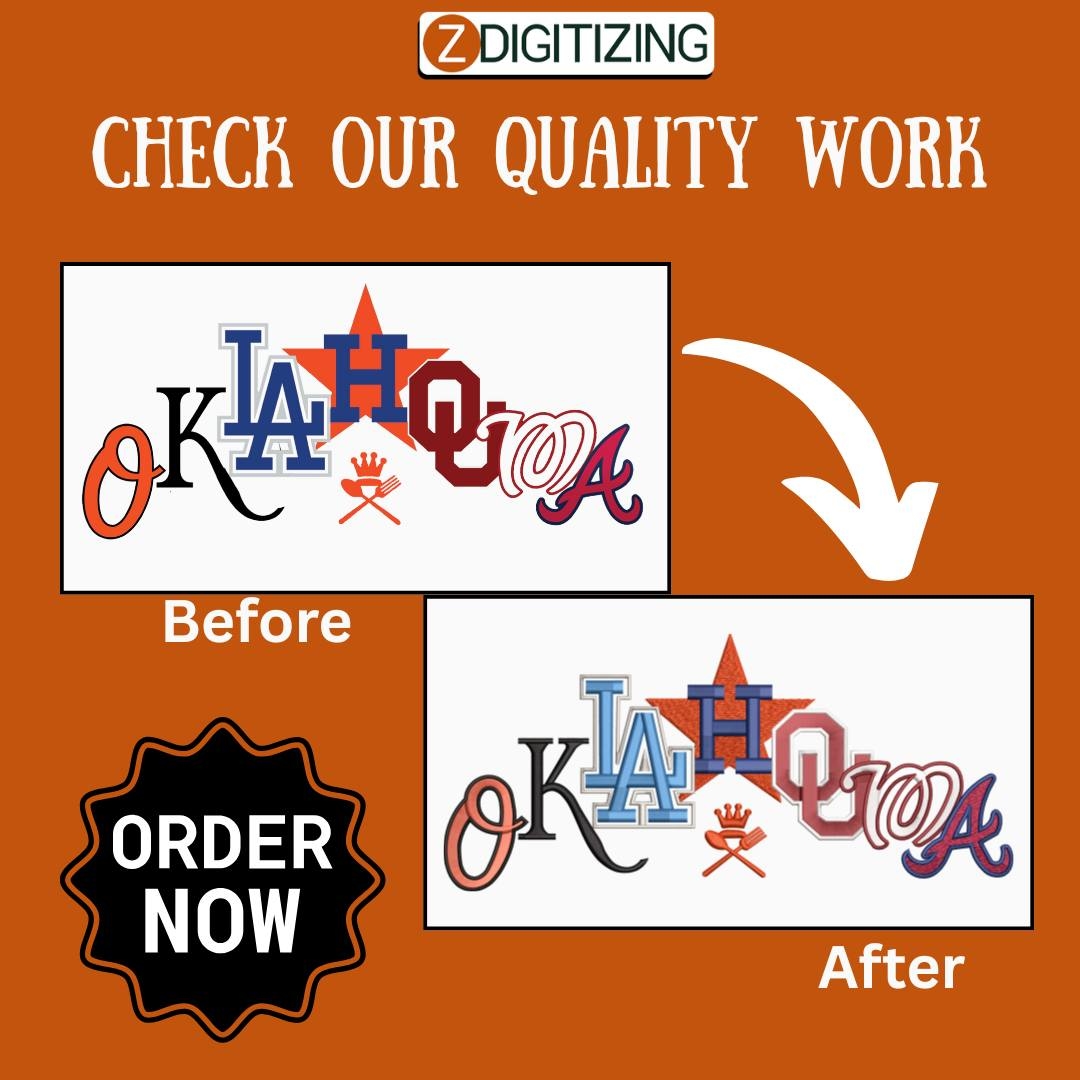
Embroidery continues to be a preferred decoration method for apparel, uniforms, and promotional products due to its durability and professional finish. While embroidery machines play an important role, the true quality of embroidered output depends on a precise and technical process known as embroidery digitizing.
Embroidery digitizing services convert artwork, logos, or illustrations into stitch-based files that embroidery machines can accurately interpret. Without this process, even the best machines cannot produce clean or consistent results.
Understanding how embroidery digitizing works and why professional services matter can help businesses and individuals achieve reliable, long-lasting embroidery.
What Are Embroidery Digitizing Services?
Embroidery digitizing is the method of translating visual designs into stitch commands using specialized digitizing software. This is not a simple image conversion. Each element of a design is manually programmed to define stitch type, direction, density, and sequencing. The goal is to ensure the embroidery stitches smoothly on fabric while maintaining the original design’s structure.
Professional embroidery digitizing services combine design knowledge with technical expertise. Whether the design is text-based or highly detailed, proper digitizing ensures that embroidery machines execute the design accurately without distortion or thread issues.
Why Embroidery Digitizing Is Essential
Embroidery machines do not read standard image formats such as JPG or PNG. They require stitch files that provide exact instructions. Poor digitizing often leads to production problems such as thread breaks, puckering, misaligned lettering, or uneven fills. These issues increase material waste and machine downtime.
Reliable embroidery digitizing services help prevent such problems by ensuring:
Stitch paths are efficient and well-organized
Stitch types are selected based on fabric behavior
Design proportions remain consistent during stitching
Unnecessary trims and jumps are minimized
This careful planning results in embroidery that maintains its quality even after repeated use and washing.
Key Elements of High-Quality Embroidery Digitizing
Effective digitizing requires a deep understanding of how stitches interact with different fabrics. A professional digitizer considers several technical factors before finalizing a file.
Important elements include stitch selection, where satin, fill, or running stitches are chosen according to the design’s shape and size. Stitch density is adjusted to avoid fabric stress while maintaining coverage.
Underlay stitches are added to stabilize the fabric and support top stitches. Pull compensation is applied to counteract fabric movement, ensuring clean edges. Finally, stitch sequencing is planned to improve efficiency and reduce thread breaks.
Together, these elements ensure consistent results across various garment types.
Benefits of Using Professional Embroidery Digitizing Services
Outsourcing embroidery digitizing offers practical advantages over automated software or in-house trial methods. Professional services deliver machine-ready files that reduce production risks and save time.
Some key benefits include compatibility with multiple embroidery machines, consistent quality for repeat orders, reduced material waste, and expert handling of detailed or complex artwork. For embroidery businesses and apparel brands, this reliability directly improves workflow efficiency and customer satisfaction.
Where Embroidery Digitizing Is Commonly Used
Embroidery digitizing services support a wide range of applications. Businesses rely on digitized embroidery for logos on uniforms and workwear, while custom apparel brands use it for hats, jackets, and polos. Digitized embroidery is also widely used for promotional merchandise, team apparel, and personalized accessories.
Because embroidery is durable and resistant to wear, digitized designs are ideal for products that require long-term use.
Choosing a Reliable Embroidery Digitizing Service
Not all digitizing providers follow the same standards. Choosing a service that prioritizes manual digitizing over automated processes ensures better stitch control and fabric compatibility. Experience with different design styles, revision support, fabric knowledge, and clear communication are important indicators of a trustworthy provider.
A professional digitizing service understands that every design and fabric requires a customized approach rather than a one-size-fits-all solution.
Final Thoughts
Embroidery digitizing services are a critical part of producing high-quality embroidered products. By combining technical precision with design understanding, professional digitizing ensures accurate stitching, durability, and visual consistency. Whether for branding, uniforms, or custom apparel, proper digitizing forms the foundation of successful embroidery production.
Frequently Asked Questions (FAQs)
What file formats are used in embroidery digitizing?
Embroidery digitizing services typically provide machine-ready formats such as DST, PES, EXP, or similar, depending on the embroidery machine.
Can the same digitized file be used on different fabrics?
Not always. Different fabrics behave differently, so stitch density and underlay may need adjustments for the best results.
Is manual digitizing better than auto-digitizing?
Yes. Manual digitizing allows precise control over stitches, reducing errors and improving embroidery quality.
How long does embroidery digitizing take?
Turnaround time depends on design complexity, but professional services usually deliver files efficiently without compromising quality.